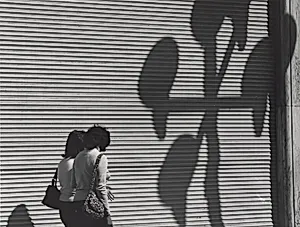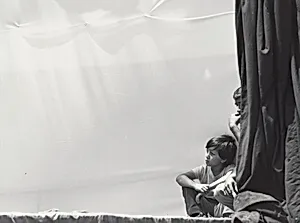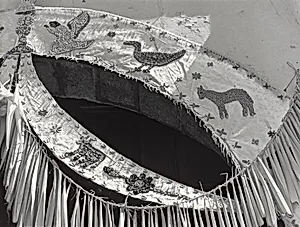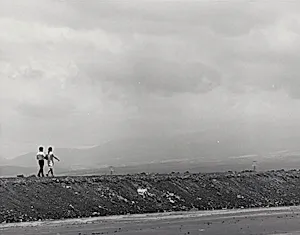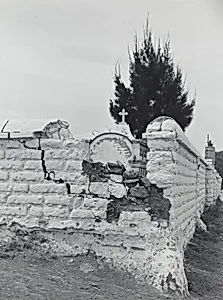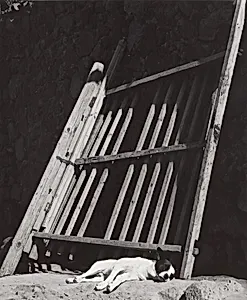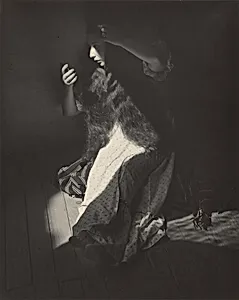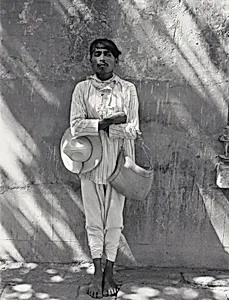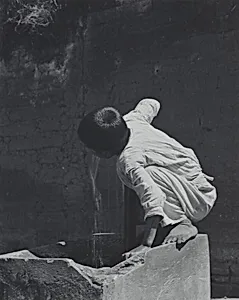
Manuel Álvarez Bravo (1902–2002) was one of the greatest photographers of the twentieth century and the undisputed master of Mexican modernist photography. Born in Mexico City into a family with artistic connections, he was largely self-taught as a photographer, beginning to work seriously with the camera in the 1920s. His development was shaped by encounters with figures at the center of Mexico's extraordinary cultural renaissance, including Diego Rivera, Frida Kahlo, and the muralist movement that was redefining Mexican national identity through art. He also formed significant friendships with international photographers such as Tina Modotti and Edward Weston, who recognized his singular vision immediately.
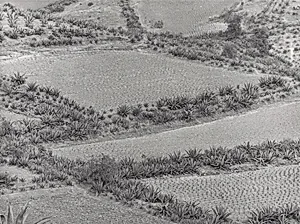
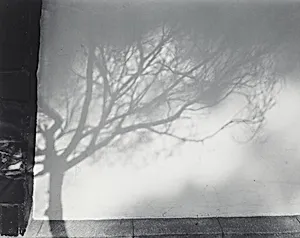
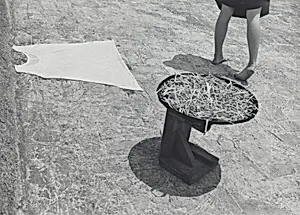
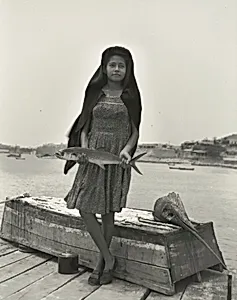
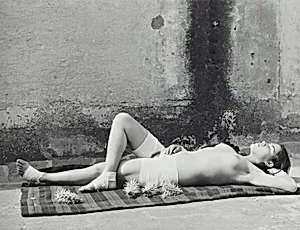
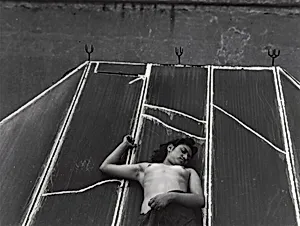
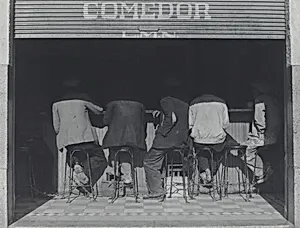
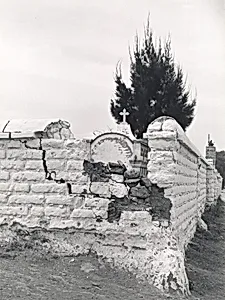
Álvarez Bravo's photographs are among the most distinctive and philosophically resonant in the history of the medium. Working primarily in black and white, he created images suffused with the textures, symbols, and contradictions of Mexican life — images that hover between the documentary and the dreamlike, the everyday and the deeply strange. His work has been associated with Surrealism, and André Breton admired him greatly, but Álvarez Bravo himself insisted that the mysterious qualities in his photographs arose organically from Mexican reality rather than from any imported European aesthetic program.
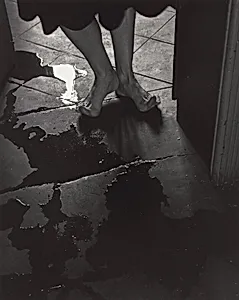
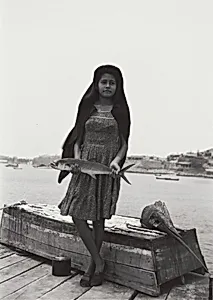
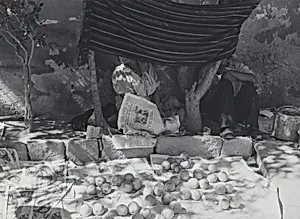
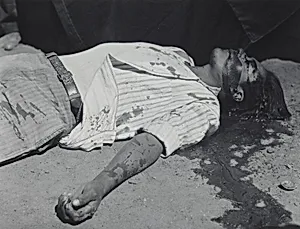
His most celebrated images — including haunting depictions of death, sleep, labor, and the female body — draw on Mexico's indigenous heritage, its Catholic traditions, and its violent modern history. Works such as his photographs of workers and street life in Mexico City are simultaneously social documents and lyrical meditations on time, mortality, and desire. He also made films and worked extensively in portraiture, leaving behind a remarkably varied body of work.
Álvarez Bravo worked prolifically across a career that spanned eight decades, living to the extraordinary age of one hundred. His influence on subsequent generations of Latin American photographers and on the international understanding of photography as an art form is incalculable. Major museums worldwide hold his work, and he is universally acknowledged as one of the indispensable figures in the history of photography.