Ctrl K
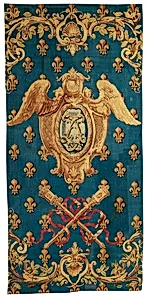
The Manufacture Royale des Gobelins, a cornerstone of French decorative arts, originated in the mid-15th century as a dyeing workshop established by the Gobelin family along the Bièvre River in Paris's Faubourg Saint-Marcel. Renowned for their scarlet dye, the Gobelins supplied the foundation for what became Europe's premier tapestry factory. In 1601, King Henry IV rented the site to Flemish weavers Marc de Comans and François de la Planche, whose sons expanded operations until financial strains split the workshops around 1650. The pivotal transformation occurred in 1662, when Jean-Baptiste Colbert acquired the property for Louis XIV, establishing the Manufacture Royale des Meubles de la Couronne under the direction of court painter Charles Le Brun from 1663 to 1690. Le Brun oversaw a colony of 400 artisans—weavers, cabinetmakers, goldsmiths, and engravers—producing luxury furnishings exclusively for the Crown, rivaling imports and embodying French grandeur.
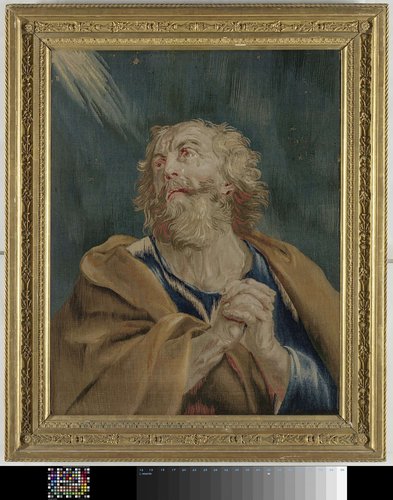
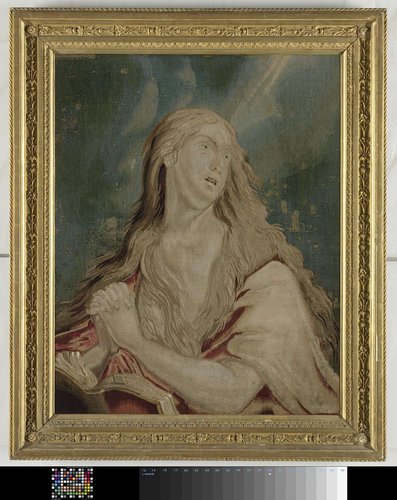
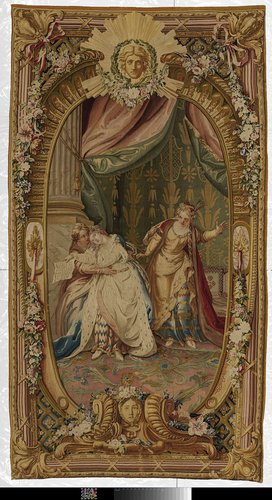
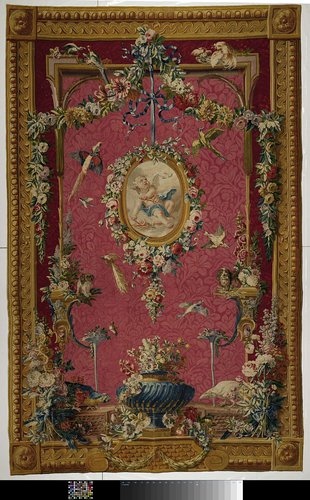
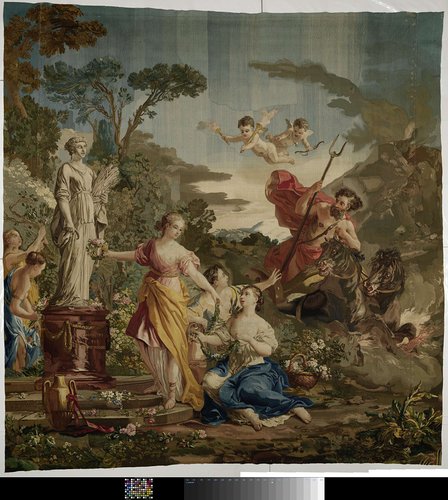
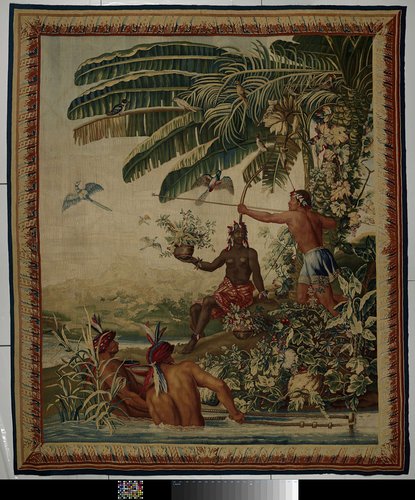
Artistically, the Gobelins excelled in both high-warp (haute lisse) looms for monumental pieces and low-warp (basse lisse) for finer details, using wool, silk, and gold threads with 15–20 threads per inch to achieve luminous depth. Early Flemish influences evolved into the opulent Baroque style under Le Brun, who designed cartoons glorifying Louis XIV, often drawing from Rubens and van der Meulen. Iconic series include the *Histoire du Roi* (1665–), such as *The King's Visit to the Gobelins* (woven 1673–1679) and *Battle of Zama* after Giulio Romano (1688–1690); pre-royal works like *Death of Constantine* after Rubens (1623–1625); and later *La Sortie de l'Ambassadeur Turc* (1734–1737). These tapestries, alongside furniture and silver like the *Mobilier d'Argent*, adorned Versailles and other palaces, with Le Brun's 775 pieces alone forming the core of Louis XIV's 2,650-tapestry collection.
Despite closures in 1694 and during the Revolution, the manufactory endured, reopening for tapestries in 1697 and incorporating Savonnerie carpets in 1826. Today, as a state institution under the French Ministry of Culture at 42 Avenue des Gobelins, it continues haute lisse traditions, weaving contemporary designs by Matisse and Picasso for government use while preserving 17th-century looms. Its legacy—spanning royal propaganda to modern restoration—defines French tapestry mastery, with works in the Louvre, Panthéon, and Mobilier National.