Ctrl K
1475–1534
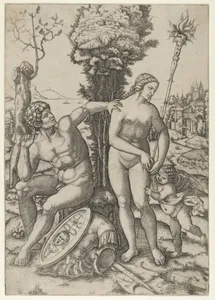
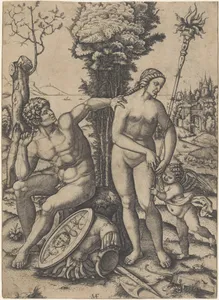
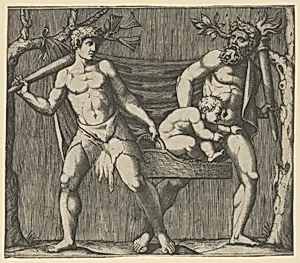
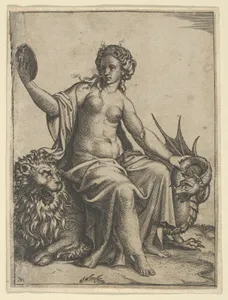
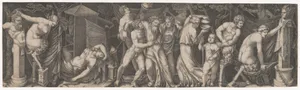
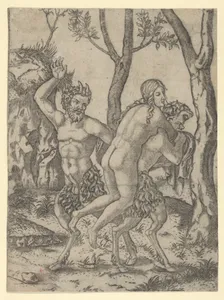
Marcantonio Raimondi (c. 1480–1534), born near Bologna, Italy, emerged as one of the Renaissance's premier engravers, revolutionizing printmaking through his mastery of reproductive techniques. He trained in the workshop of the goldsmith, painter, and niellist Francesco Francia, whose influence is evident in his early engravings, such as the goldsmith-like shading in *Pyramus and Thisbe* (1505), his first dated print. Raimondi's initial works, numbering around 80 between 1505 and 1511, drew from pagan mythology and religious themes, blending Francia's style with northern inspirations after encountering Albrecht Dürer's prints during the German master's 1506 visit to Bologna. He boldly copied Dürer's *Life of the Virgin* woodcuts and engravings, even forging the "AD" monogram, which prompted Dürer's intellectual property complaint in Venice.
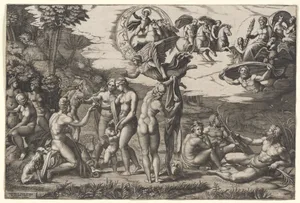
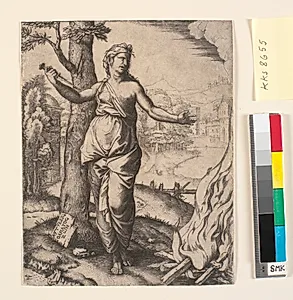
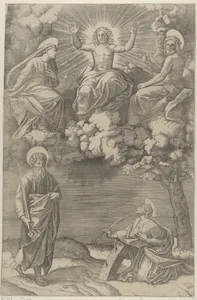
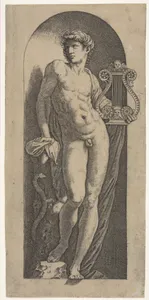
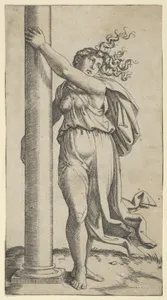
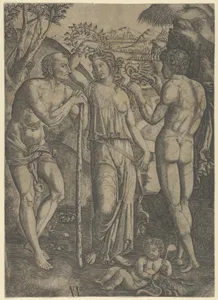
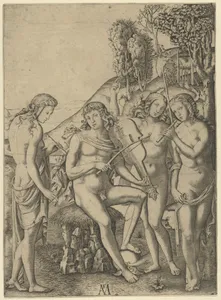
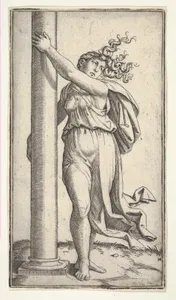
Around 1510, Raimondi relocated to Rome, entering Raphael's orbit after engraving *Lucretia* from the master's design. Raphael personally trained and collaborated with him, leading to Raimondi's establishment of a prolific engraving workshop under Baviera, which became a school training pupils like Marco Dente and Agostino Veneziano. His style evolved into the High Renaissance tradition, systematizing fine cross-hatching for tonal depth while faithfully reproducing Raphael's compositions, such as *Judgment of Paris* (c. 1515), *Massacre of the Innocents*, and *The Climbers* (c. 1510, after Michelangelo's *Battle of Cascina* cartoon). Over 300 prints disseminated these ideals across Europe, blending Raphael's graceful figures with northern landscape techniques learned from Lucas van Leyden.
Raimondi's later years brought notoriety and hardship. In 1524, he engraved the scandalous *I Modi* series of 16 erotic poses after Giulio Romano's designs, with sonnets by Pietro Aretino, earning brief imprisonment by Pope Clement VII before release through influential intercessors. The 1527 Sack of Rome left him impoverished after paying a ransom, with no securely dated works thereafter; he likely returned to Bologna. His legacy endures as the first major reproductive engraver, whose precise translations of High Renaissance paintings—especially Raphael's—democratized art, influencing generations and establishing engraving as a vehicle for stylistic dissemination throughout Europe.