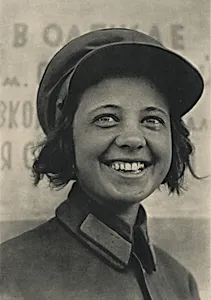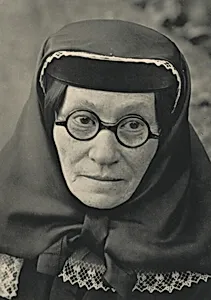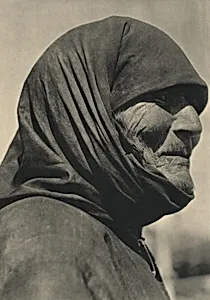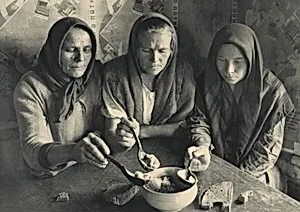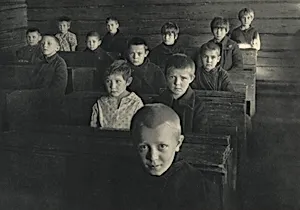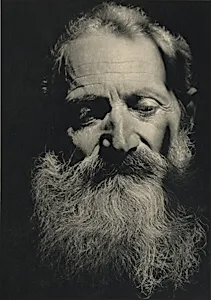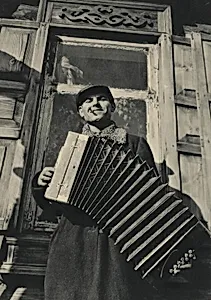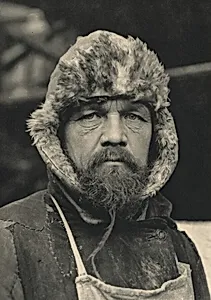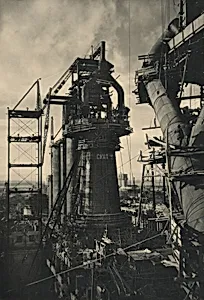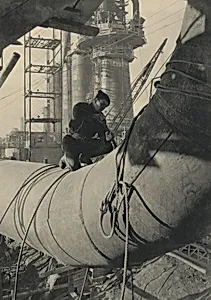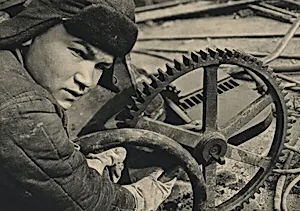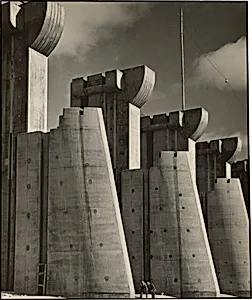
Margaret Bourke-White (1904–1971) was one of the most celebrated American photojournalists of the twentieth century, whose fearless pursuit of images in the most demanding circumstances helped define what documentary photography could be. Born in New York City, she initially studied photography while attending Cornell University and later the Clarence H. White School of Photography, where she absorbed principles of formal composition that would inform even her most spontaneous work in the field. Her early career was built on industrial photography — massive steel mills, hydroelectric dams, and factory floors — which she transformed into images of dramatic beauty, finding the monumental in the machinery of modern production.
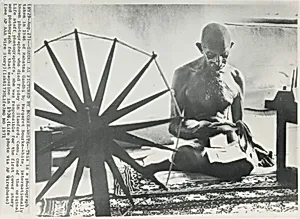
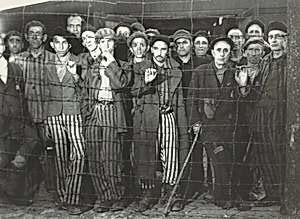
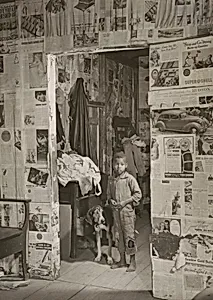
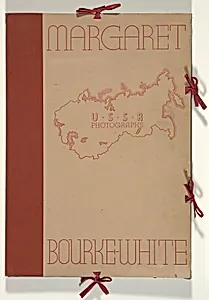
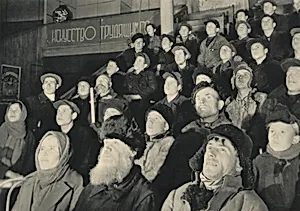
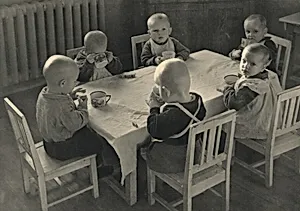
Bourke-White joined Fortune magazine at its founding in 1930 and became one of the original staff photographers of Life magazine in 1936, contributing to its very first issue. Her range across decades was extraordinary: she documented the devastating drought in the American South alongside writer Erskine Caldwell, recorded the opening of Soviet industry, witnessed the liberation of the Buchenwald concentration camp at the end of World War II, and photographed Mahatma Gandhi just hours before his assassination. She was the first female war correspondent accredited to the U.S. armed forces and flew combat missions, survived a torpedo attack, and reported from the Korean War — all before being diagnosed with Parkinson's disease, which she subsequently battled with characteristic determination.
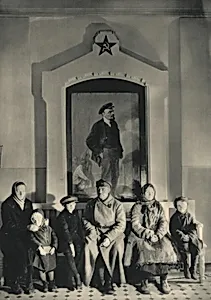
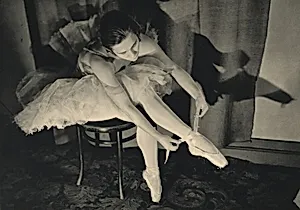
Her visual style favored strong geometric compositions, dramatic use of light and shadow, and an instinct for placing human figures within the overwhelming structures — industrial, political, or natural — that shaped their lives. Whether documenting the gaunt faces of drought-stricken sharecroppers or the heroic silhouettes of steelworkers, she brought to her subjects the same formal intensity.
Bourke-White's legacy is immense. She helped establish photojournalism as a serious art form with real political and social weight, and her images remain among the most recognized documents of the mid-twentieth century. Her memoir, Portrait of Myself, published in 1963, offers a vivid account of a life lived at the center of history.