Ctrl K
1890–1944
Marguerite Redman Dorgeloh (1890–1944) was a prolific American printmaker and painter whose lithographs captured the architectural charm and everyday scenes of San Francisco during the Great Depression era. Born on December 14, 1890, in Watsonville, California, to farmer Christy Gentry Redman, she pursued formal training at the California School of Fine Arts in San Francisco—now the San Francisco Art Institute—and the San Jose Teachers College. By 1918, city directories listed her as a decorator in San Francisco, where she married prominent lawyer and Bank of America official John Dorgeloh; their son Justin was born in 1913. Following their divorce, she wed physician Albert E. Byron, signing some works as Redman Byron, though she preferred "Redman."
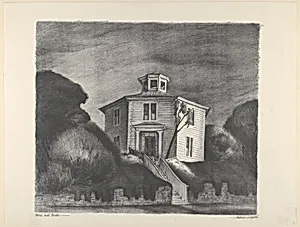
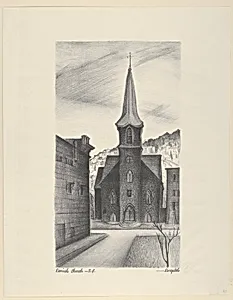
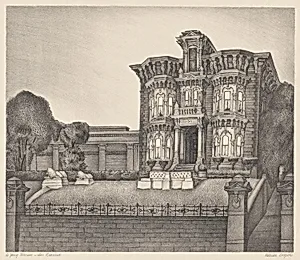
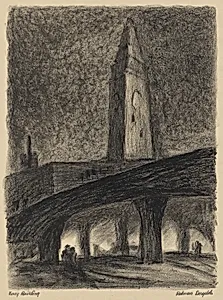
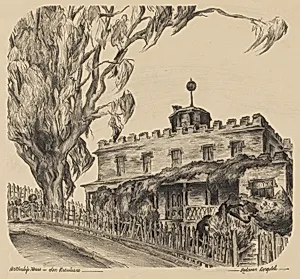
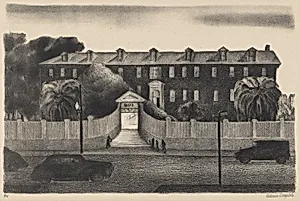
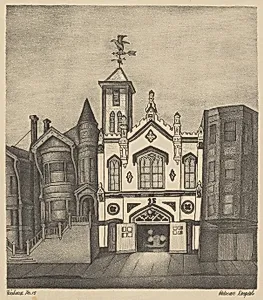
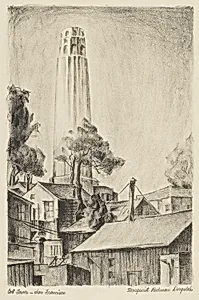
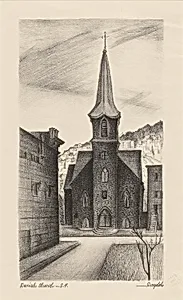
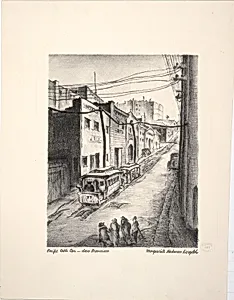
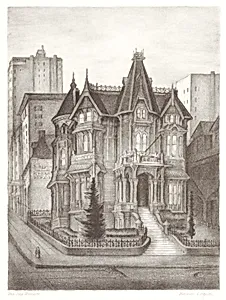
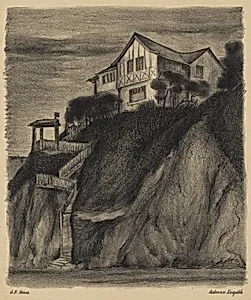
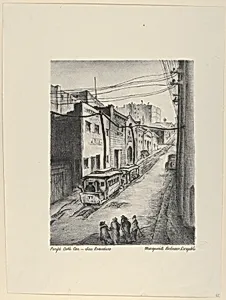
Dorgeloh's career flourished amid economic hardship through her deep involvement with the Works Progress Administration's Federal Art Project. She assisted on the iconic Coit Tower mural project and produced numerous lithographs in the graphic arts department of the San Francisco Fine Arts Project, documenting landmarks like the Van Ness Mansion (featured on the front page of the *San Francisco News* in 1941), Danish Church, Pacific Cable Car, Mission Dolores, and Santa Cruz Mission, as well as Golden Gate Park vistas and quaint houses such as *House and Garden* and *Battleship House*. She also worked in etching, oil, and watercolor. In 1940, at the Golden Gate International Exposition's "Art in Action" program, she demonstrated lithography on stones before live audiences, showcasing her technical prowess. Later, she contributed as a shipyard artist during World War II.
Working in the regionalist tradition of WPA artists, Dorgeloh's precise yet evocative prints celebrated California's urban and natural beauty, blending realism with a keen eye for texture and light. She exhibited at Paul Elder Gallery (1929), San Francisco Women Artists (1931), the San Francisco Art Association (1939), and the Golden Gate International Exposition (1939–1940). Her oeuvre resides in prestigious collections, including the Metropolitan Museum of Art, National Gallery of Art, Smithsonian American Art Museum, Philadelphia Museum of Art, Baltimore Museum of Art, and over 150 pieces in the U.S. General Services Administration's Fine Arts Collection.
Tragically, Dorgeloh died by suicide on March 18, 1944, in Pasadena, California. Her enduring legacy lies in preserving San Francisco's interwar character through accessible public art, influencing later generations of West Coast printmakers and underscoring the vital role of women in New Deal cultural programs.