Ctrl K
1901–1975
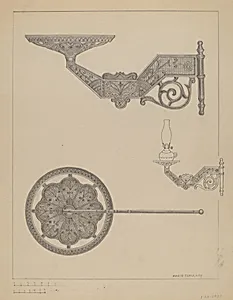
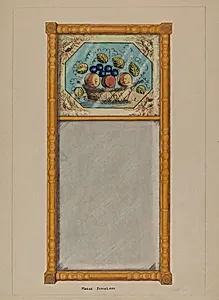
Marie Famularo (1901–1975) was an American artist whose meticulous illustrations played a vital role in preserving the visual legacy of everyday American folk art during the Great Depression era. Active primarily in the 1930s, she contributed to the Index of American Design (IAD), a groundbreaking Works Progress Administration (WPA) Federal Art Project initiative that commissioned artists to document regional crafts, textiles, and decorative objects through precise renderings. Famularo was affiliated with the New Jersey Project, capturing artifacts that reflected colonial and early American craftsmanship. Her early life and formal training remain not well documented, with no records of specific teachers, art schools, or mentors identified in available sources.
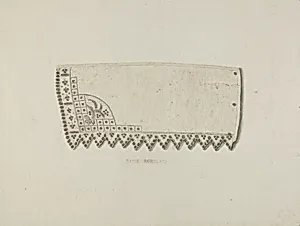
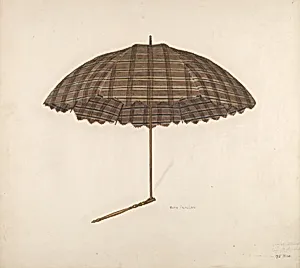
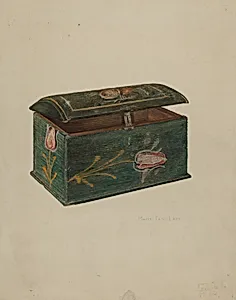
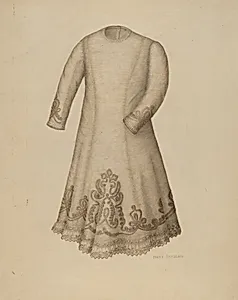
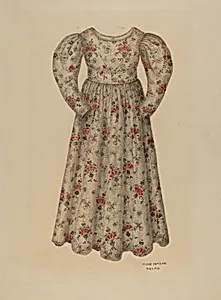
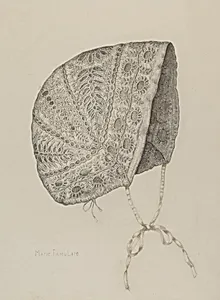
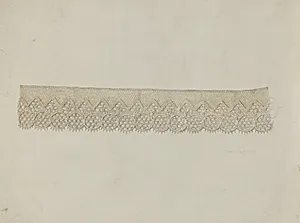
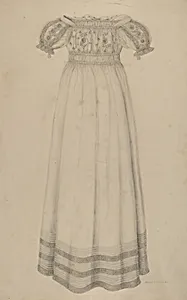
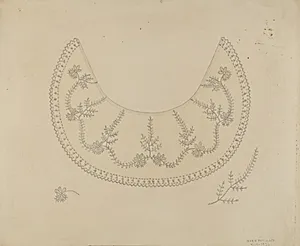
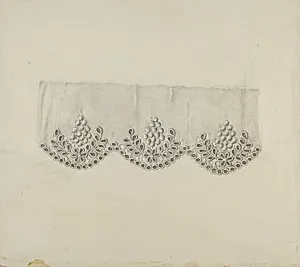
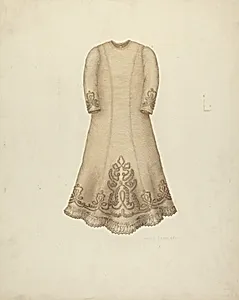
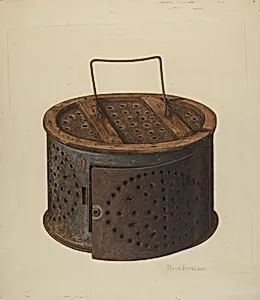
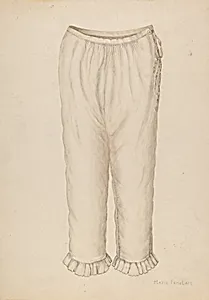
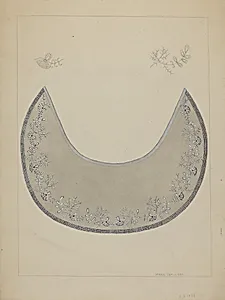
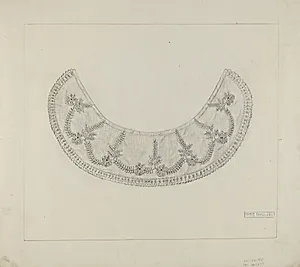
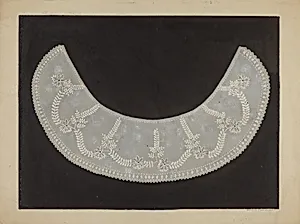
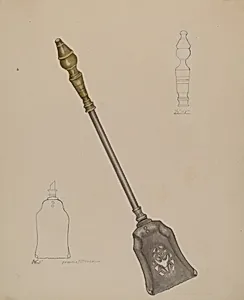
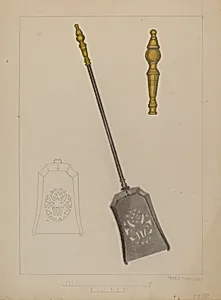
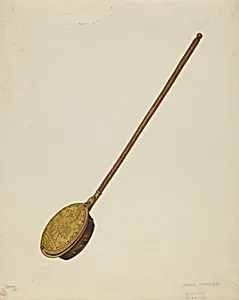
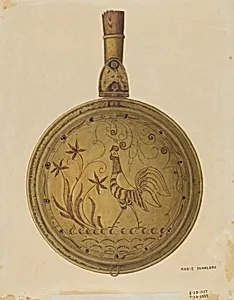
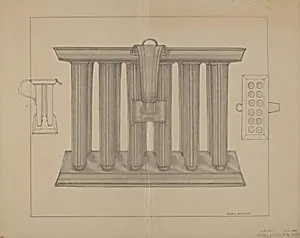
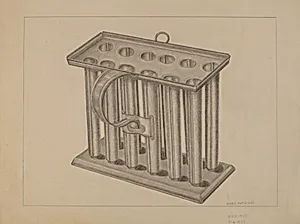
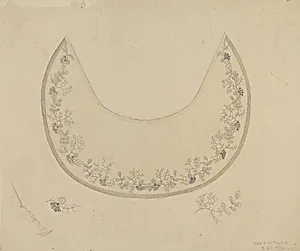
Famularo's artistic style was characterized by hyper-realistic watercolor, gouache, graphite, pen and ink, and occasional colored pencil on paperboard, emphasizing texture, pattern, and historical detail to create faithful reproductions of three-dimensional objects. She specialized in textiles and domestic items, transforming humble artifacts into educational masterpieces that highlighted American ingenuity. Among her major works in the National Gallery of Art's collection of 50 pieces are *Trinket Box* (1939), *Embroidered Cuff* (1939), *Parasol* (c. 1939), *Foot Warmer* (1938), multiple *Infant's Dresses* (c. 1938), *Lace Edging* (c. 1938), *Embroidered Edging* (c. 1938), *Collar* (c. 1938), *Snuff Box* (1936), *Hat* (c. 1937), *Vase* (1936), and *Leather Medal Case* (1936). These dated mostly between 1935 and 1942, showcasing intricate needlework on collars, cuffs, and bonnets alongside utilitarian wares like canisters, candle molds, and pewter mugs.
Famularo's legacy endures through the IAD's comprehensive archive, now housed in institutions like the National Gallery of Art, where her illustrations serve scholars, designers, and the public as invaluable references for American material culture. By rendering forgotten heirlooms with scientific accuracy, she bridged historical craft traditions with modern appreciation, underscoring the aesthetic value of vernacular design in the WPA tradition of culturally democratic art. Though her personal story fades into obscurity, her body of work—over 50 preserved renderings—illuminates the artistry embedded in America's everyday past.