Ctrl K
1877–1943
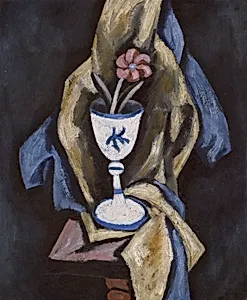
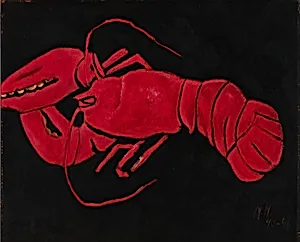
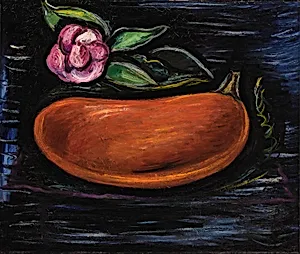
Marsden Hartley (1877–1943) was one of the most significant and searching figures of American modernism, an artist whose restless travels and personal intensity drove him to synthesize European avant-garde currents with a deeply American sensibility rooted in landscape, loss, and spiritual longing. Born in Lewiston, Maine, he studied at the Cleveland School of Art and later at the National Academy of Design in New York, where his ambitions quickly outgrew the academic conventions he was taught. His friendship with the photographer and gallerist Alfred Stieglitz proved transformative: Stieglitz exhibited Hartley's work at his 291 gallery and connected him with the most advanced artistic conversations of the era.
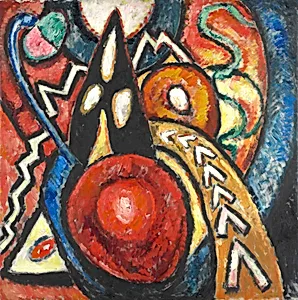
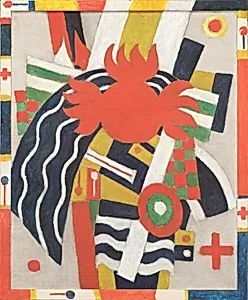
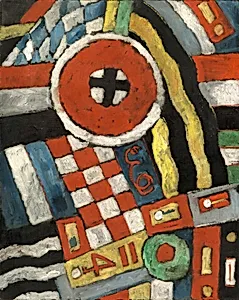
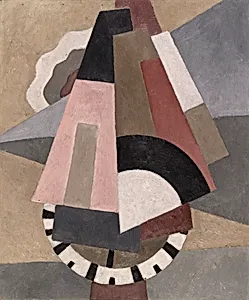
Travels to Europe — particularly to Paris and Berlin in the years around 1912 to 1915 — exposed Hartley to Cubism, German Expressionism, and the work of Wassily Kandinsky, all of which left vivid marks on his practice. His celebrated series of military paintings made in Berlin, including the iconic Portrait of a German Officer (1914), combined bold abstract patterning with symbols drawn from Prussian military regalia, creating elegies for a young German officer with whom he had formed a close attachment. These paintings are among the most emotionally charged abstractions produced by any American artist of that period.
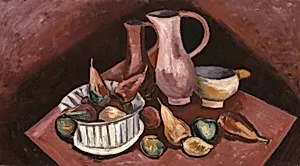
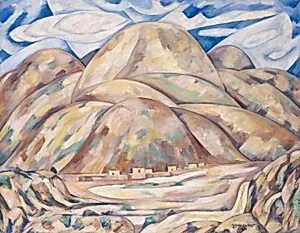
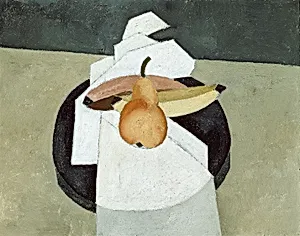
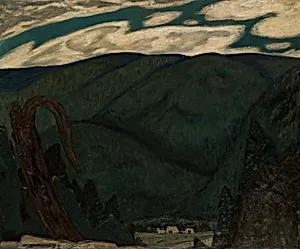
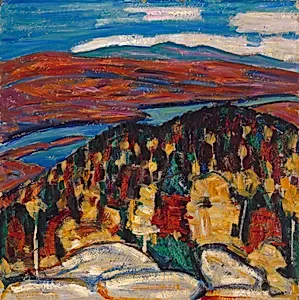
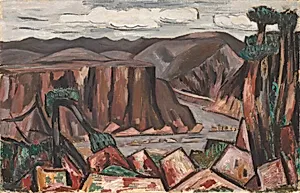
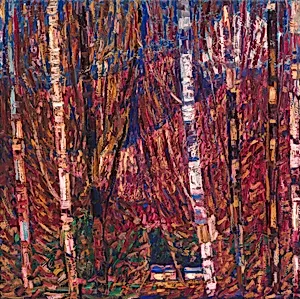
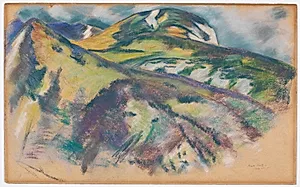
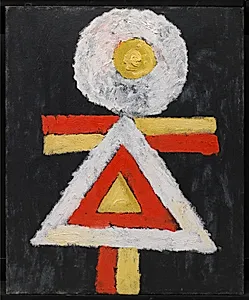
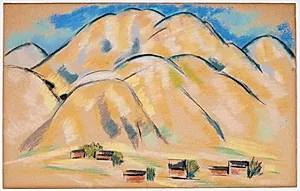
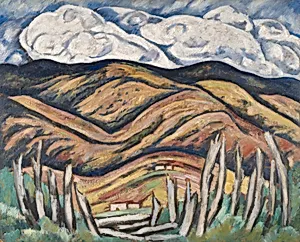
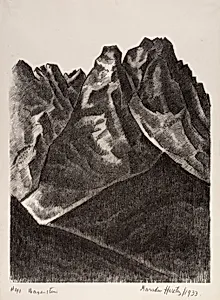
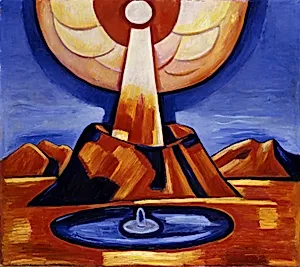
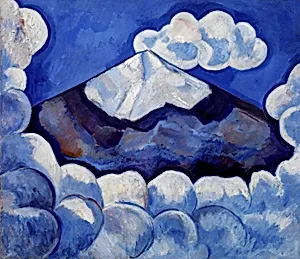
Hartley's style was never fixed. He moved fluidly between figuration and abstraction, between European influence and a distinctly rugged American primitivism, between landscapes of the American Southwest, the coasts of Maine, and the mountains of Bavaria and Mexico. Late in his career, his return to Maine produced a body of deeply felt paintings — stormy seas, granite cliffs, and elemental figures — that are now considered among the masterworks of American twentieth-century painting.
Hartley's legacy grew substantially after his death, as later generations recognized in his work a combination of formal innovation and emotional authenticity that had been incompletely appreciated during his lifetime. He is today counted among the essential painters of American modernism, and his Maine landscapes in particular continue to exert a powerful hold on viewers.