Ctrl K
1630–1710
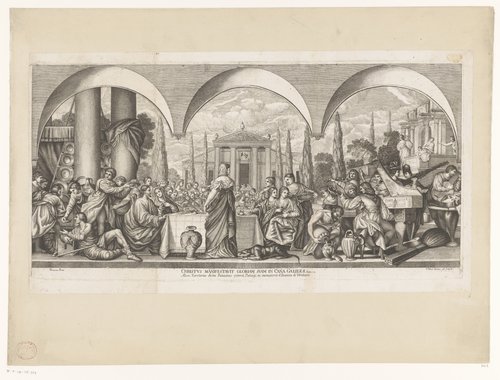
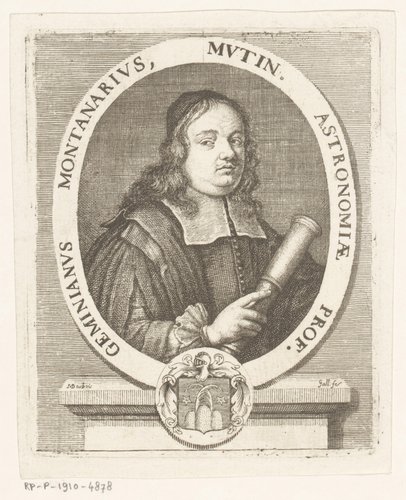
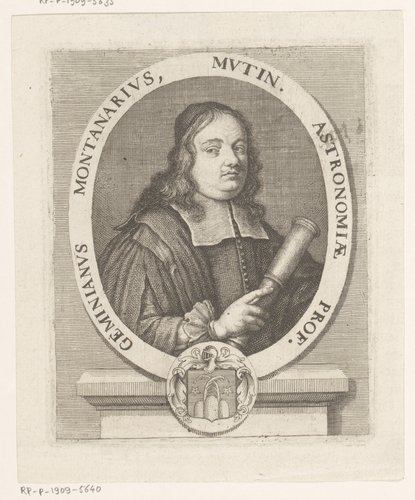
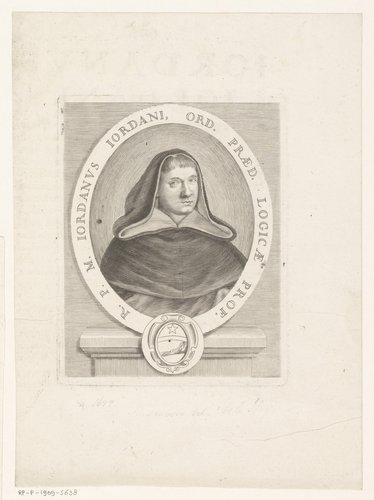
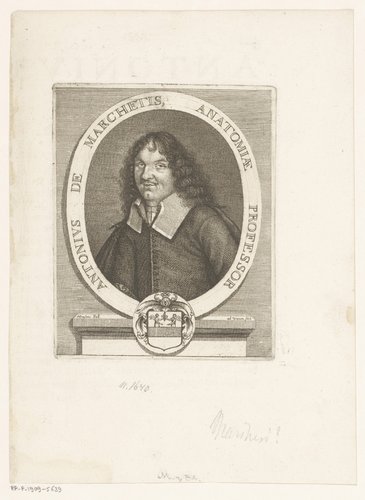
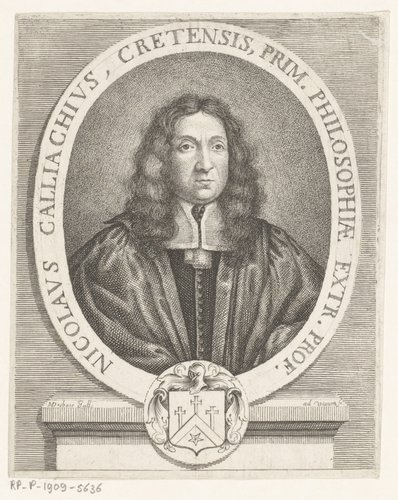
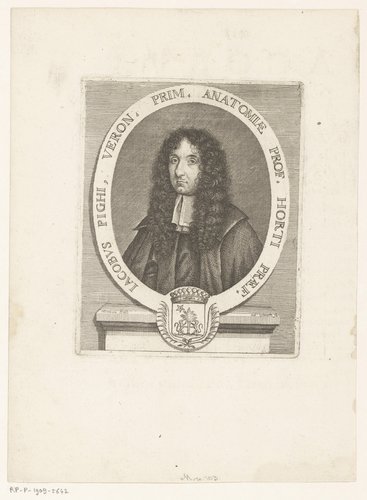
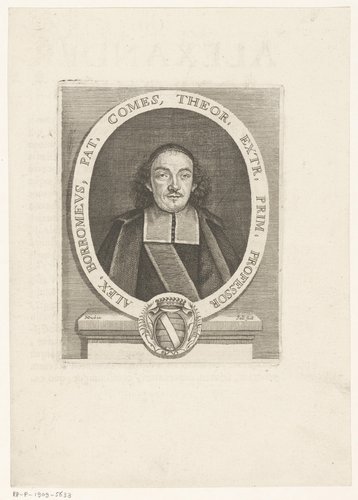
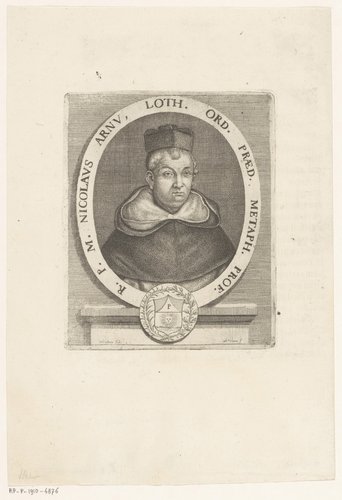
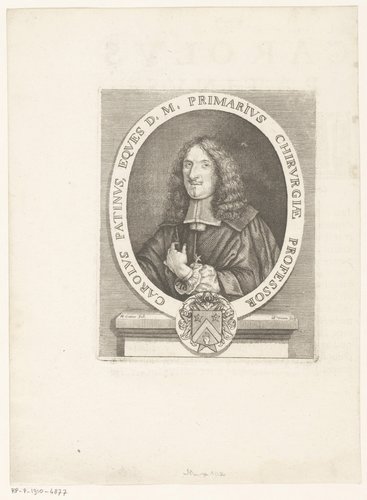
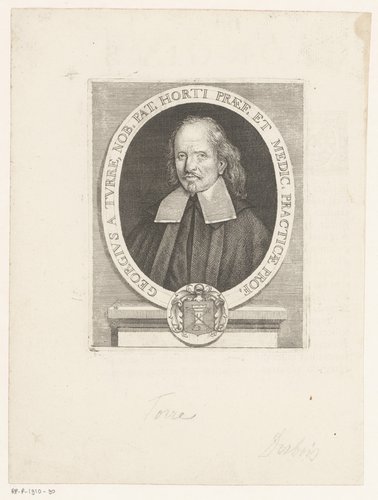
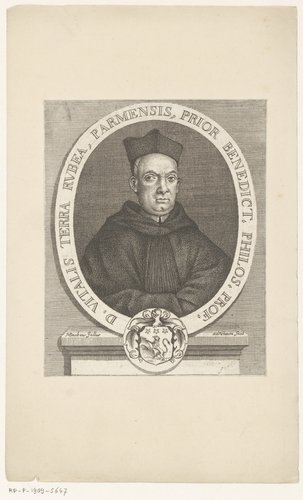
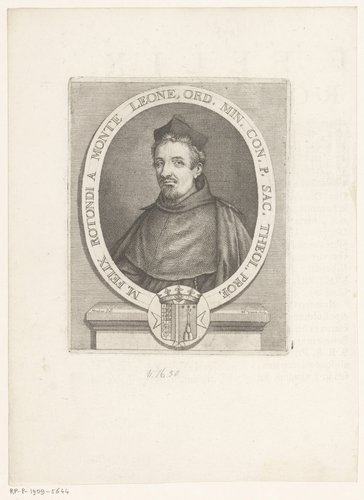
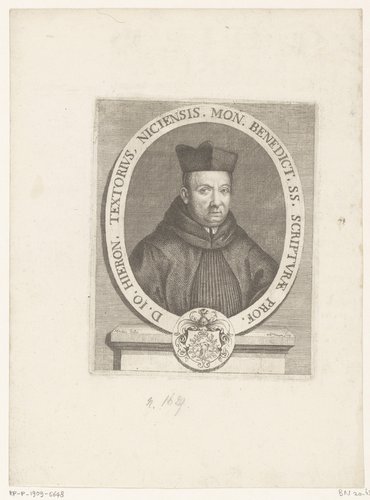
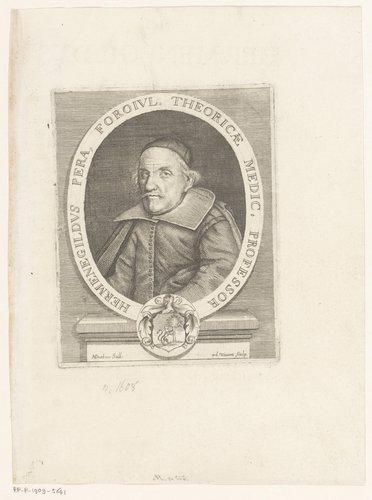
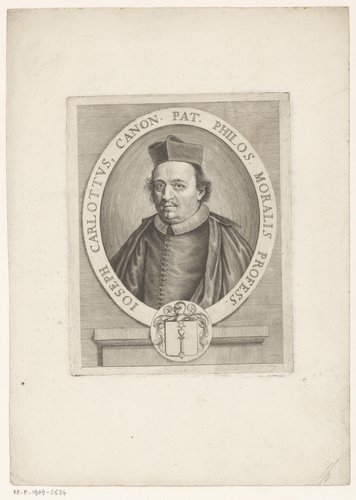
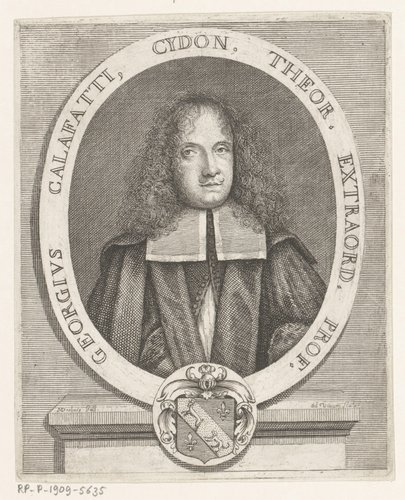
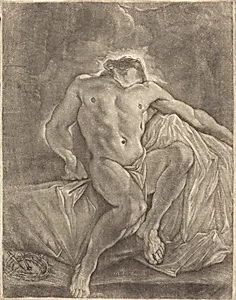
Martial Desbois (1630–1700), also known as Martial Dubois, was a French engraver active in Paris during the second half of the seventeenth century. Born in Paris in 1630, Desbois pursued a career as a copper plate engraver, creating both original compositions and reproductive prints after paintings by other artists. His work exemplifies the important role of reproductive engravers in seventeenth-century visual culture—translating paintings into prints that could circulate far more widely than unique painted works, thereby disseminating artistic compositions and making images accessible to audiences who could never afford original paintings or travel to see them in churches, palaces, or private collections. Desbois's engravings demonstrate the technical proficiency characteristic of French printmaking in the Grand Siècle (Great Century) of Louis XIV. He created prints after works by Italian masters including Guercino (Giovanni Francesco Barbieri), whose dynamic Baroque compositions provided dramatic subjects for translation into the linear medium of engraving. One documented work is his engraving after Guercino, published in 1691, which shows both his technical skill and his engagement with reproducing Italian Baroque painting for French audiences. This work of cultural transmission—bringing Italian artistic achievements to French viewers through prints—represented an important dimension of European artistic exchange in the seventeenth century. Desbois worked during a period when French printmaking achieved new levels of sophistication and when the French Academy and court culture under Louis XIV promoted standardization and elevation of the arts. Though not among the most famous engravers of his time, Desbois was a competent professional whose works are held in major institutions including the National Gallery of Art in Washington, the Philadelphia Museum of Art, the Wellcome Collection in London, and the Bibliothèque nationale de France in Paris. His death in Paris around 1700 marked the end of a career that had spanned four decades and contributed to the rich corpus of seventeenth-century French printmaking.
Martial Desbois (also recorded as Martial Dubois) was born in Paris in 1630, during the reign of Louis XIII and the ministry of Cardinal Richelieu. He entered the world during a formative period for French artistic institutions—the Académie française had been founded just five years earlier (1625), and the development of royal cultural patronage that would culminate under Louis XIV was beginning to take shape.
Paris in the mid-seventeenth century was developing into a major European artistic center, though it did not yet rival Rome or the great Italian cities in prestige. The city possessed established traditions of printmaking, with numerous workshops training apprentices in the demanding technical skills required for copper plate engraving.
Desbois's training would have involved apprenticeship to an established engraver, learning to handle the burin—the small steel engraving tool used to incise lines into copper plates. This training required developing considerable manual strength and control, as the burin had to be pushed through the resistant copper while maintaining precise direction and depth. Apprentices also learned to prepare copper plates, mix and apply inks, operate printing presses, and understand the commercial aspects of print production and sales.
The engraving techniques Desbois learned emphasized systematic line work—parallel lines, cross-hatching, and carefully modulated line density to create tonal gradations. French engraving in this period valued clarity, precision, and systematic order, qualities that aligned with broader French cultural preferences for rational organization and classical restraint.
By the mid-1650s, Desbois had completed his training and established himself as a professional engraver in Paris. He worked during the early years of Louis XIV's personal reign (beginning 1661), when the Sun King's cultural ambitions were transforming Paris into a center of arts and luxury production intended to glorify the monarch and French civilization.
Desbois's work focused significantly on reproductive engraving—creating prints based on paintings by other artists. This was skilled, respectable work that required both technical proficiency and aesthetic judgment. The reproductive engraver needed to translate the color values, brushwork, and compositional nuances of paintings into purely linear terms, using networks of engraved lines to suggest the tonal values and textures of the original while maintaining clarity and visual coherence.
Among Desbois's documented subjects were works after Italian masters, particularly Guercino (Giovanni Francesco Barbieri, 1591–1666), a leading Italian Baroque painter known for his dramatic compositions, strong tonal contrasts, and emotional intensity. Engraving after Guercino presented specific challenges—his paintings featured dramatic chiaroscuro (light-dark contrasts) and dynamic compositions that required sophisticated linear translation.
Working after Italian masters served multiple cultural functions in seventeenth-century France. It provided French audiences with access to Italian artistic achievements that most could never see in original form. It demonstrated French engravers' technical capability to match Italian achievements. And it contributed to the circulation of artistic ideas and compositional solutions across national boundaries.
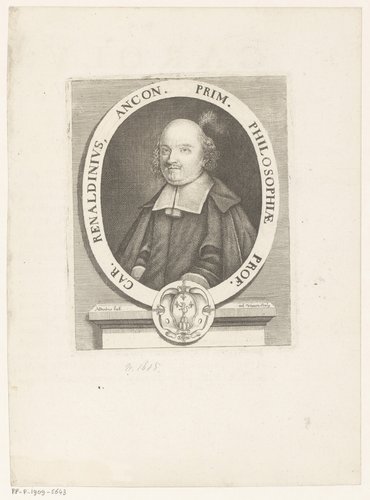
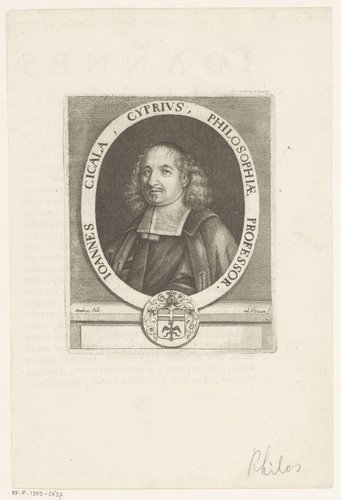
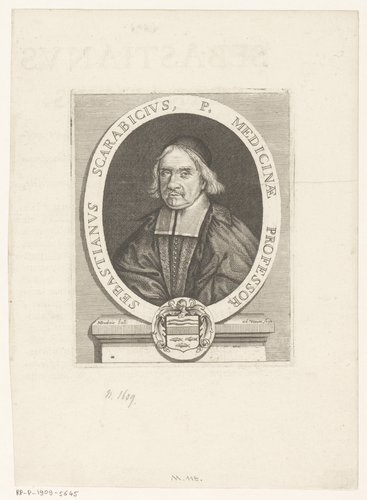
Desbois also likely created other types of prints—possibly portraits, religious subjects for devotional use, book illustrations, or original compositions. The full extent of his oeuvre remains incompletely catalogued, as was common for working engravers whose productions were substantial but whose individual careers have received less systematic scholarly attention than those of leading painters or highly celebrated printmakers.
In 1691, Desbois published an engraving after Guercino, demonstrating his continued professional activity in his sixties. This late work shows that he maintained his technical capabilities and market connections well into later life—producing prints remained physically demanding work requiring steady hands, good eyesight, and sustained concentration.
The 1690s saw Desbois working in an increasingly sophisticated French print market. The achievements of leading French engravers including Robert Nanteuil and Gérard Audran had elevated the status of printmaking. The royal print collection was expanding, and print publishers were developing more sophisticated distribution networks. Though Desbois worked somewhat outside the highest echelons of this world, he participated in its general prosperity and benefited from the growing market for quality prints.
Martial Desbois died in Paris around 1700, at approximately age seventy. He had spent his entire career in his native city, witnessing its transformation from a significant but not dominant European cultural center into the unrivaled capital of Continental European arts and luxury under Louis XIV.
His legacy resides in the prints he created, which now form part of major museum collections. The National Gallery of Art in Washington, the Philadelphia Museum of Art, the Wellcome Collection in London (which specializes in medical and scientific material but also holds art prints), and particularly the Bibliothèque nationale de France in Paris preserve examples of his work.
The Bibliothèque nationale de France, as the French national library, maintains comprehensive records of French printmakers and extensive collections of their works. That Desbois is documented there with assigned authority records (used by libraries to standardize author/creator names) indicates recognition of his historical significance and the preservation of his works in France's national collections.
Desbois represents the skilled professional engravers who sustained the print trade and enabled the wide circulation of images in the seventeenth century. While not achieving the fame of the era's most celebrated printmakers, he executed competent, valuable work that served important cultural functions—making art accessible, transmitting compositions across distances and social boundaries, and contributing to the rich visual culture of the Grand Siècle.
Artheon Research Team
Last updated: 2025-11-09
Biography length: ~1,514 words