Ctrl K
1764–1843
Martin-Guillaume Biennais (1764–1843) was the most celebrated goldsmith and silversmith of the Napoleonic era, a craftsman whose work in precious metals became synonymous with the taste and grandeur of the First Empire. Beginning his career as a toy-maker and lacquer merchant, he made the remarkable transition to goldsmithing in the 1790s, establishing himself in Paris and rapidly attracting the patronage of Napoleon Bonaparte himself. His shop, known as the Singe Violet, became one of the most fashionable luxury establishments in the capital.
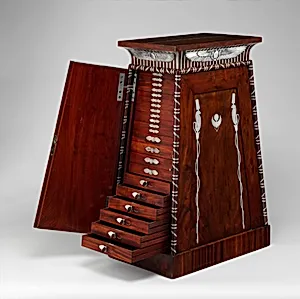
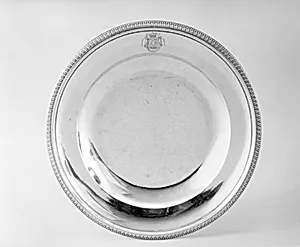
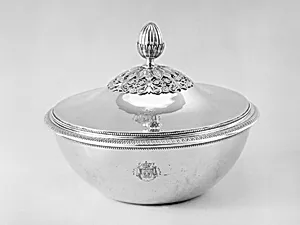
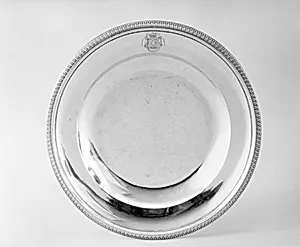
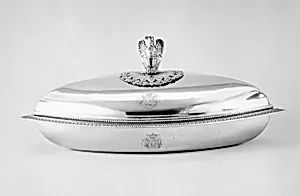
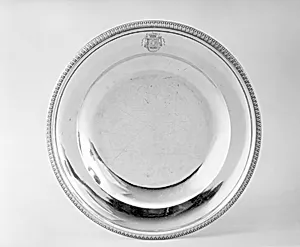
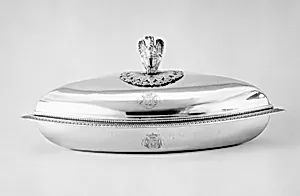
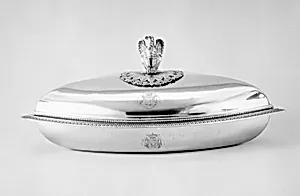
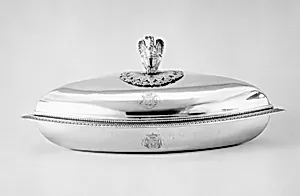
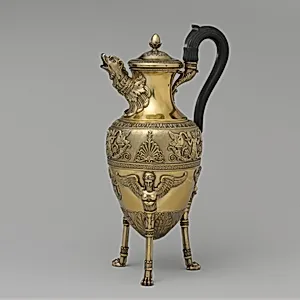
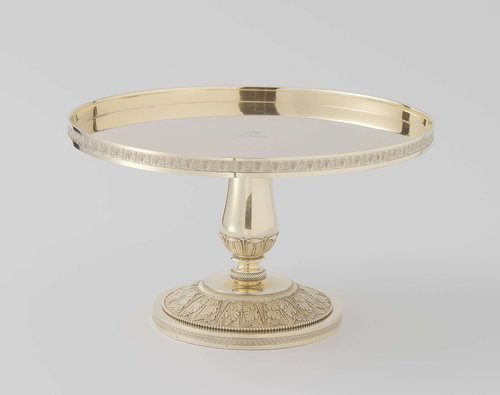
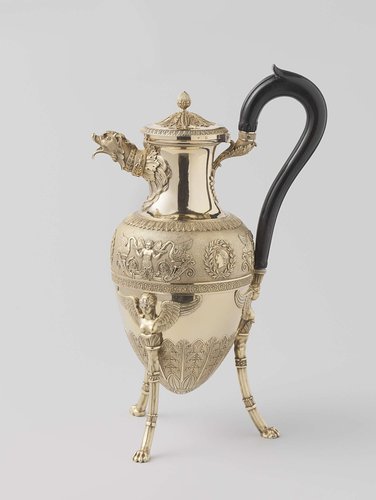
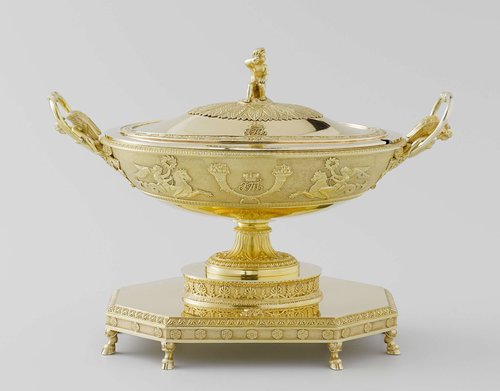
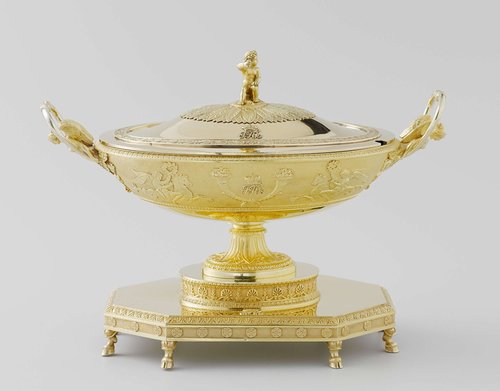
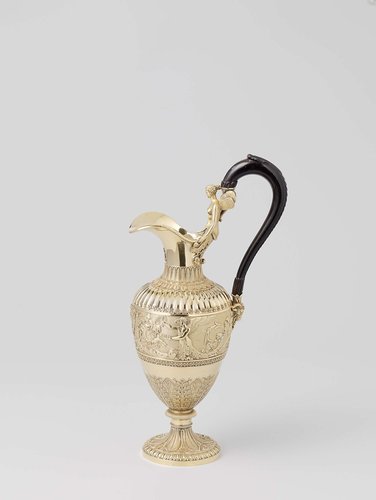
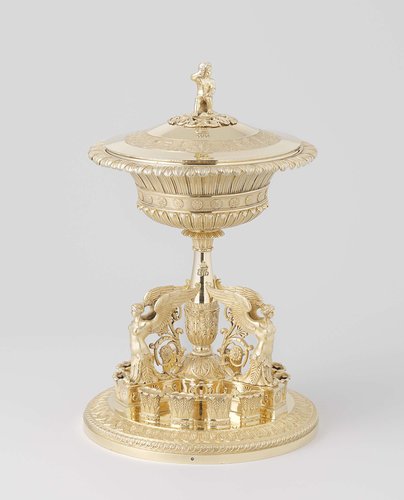
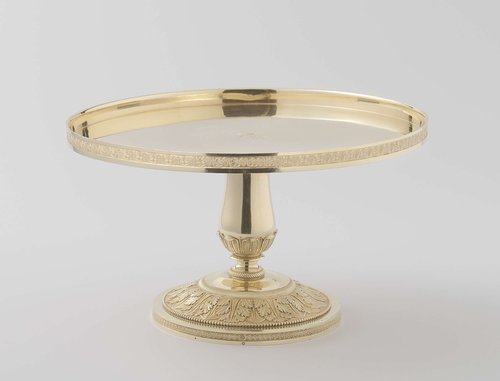
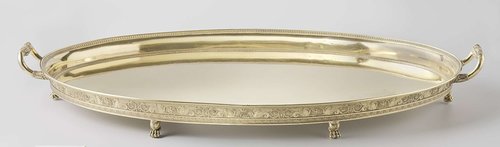
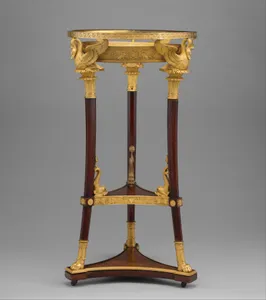
Biennais served as principal goldsmith to Napoleon and executed some of the most significant ceremonial objects associated with the imperial court, including toilet services, traveling cases, tableware, and presentation pieces of extraordinary refinement. His work is characterized by the austere classical elegance of the Empire style — clean lines, strong geometric forms, rich gilded surfaces adorned with sphinxes, eagles, laurel wreaths, and other motifs drawn from Greek, Roman, and Egyptian antiquity. This vocabulary of imperial symbolism, deployed with impeccable technical skill, gave his pieces a gravity and authority perfectly suited to the self-image of the Napoleonic state.
Collaborating with leading architects and designers of the period, Biennais produced objects that were as much political statements as luxury goods, embedding the ideology of imperial Rome into the daily material life of the Napoleonic court. The travel necessaires he created — fitted cases containing everything a traveler of rank might require — are particularly admired for their ingenuity and craftsmanship.
Biennais's legacy is that of the supreme craftsman of the Empire style. His surviving pieces, held in major collections including the Louvre and the Hermitage, remain definitive expressions of Napoleonic taste and stand as benchmarks of early nineteenth-century European goldsmithing at its most technically and aesthetically ambitious.