Ctrl K
1435–1491
Martin Schongauer, born around 1450–1453 in Colmar, Alsace, emerged from a family of skilled artisans. The third of four or five sons of goldsmith Caspar Schongauer, who had relocated from Augsburg to Colmar around 1440, Martin was immersed in the goldsmith's trade from youth, likely receiving his initial training in his father's workshop—a common path for early engravers. He further honed his skills as a painter under Colmar's leading master, Caspar Isenmann, a neighbor influenced by Early Netherlandish painting. A brief stint at the University of Leipzig in 1465 preceded his return to Colmar by 1469, where he established a workshop by 1471.
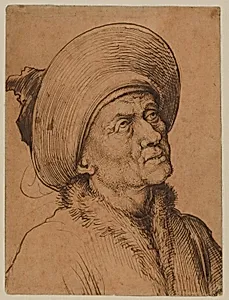
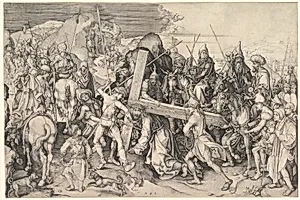
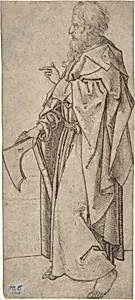
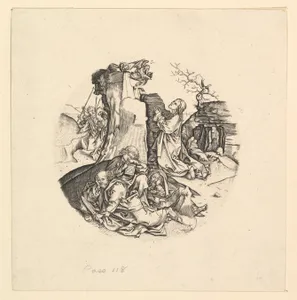
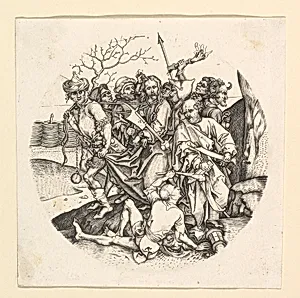
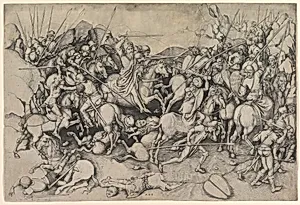
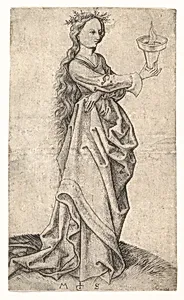
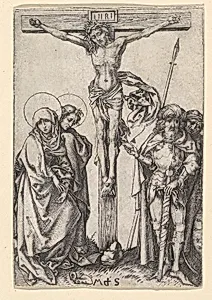
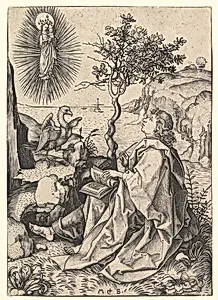
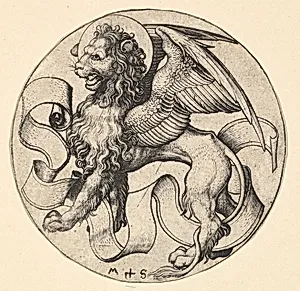
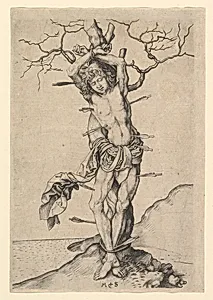
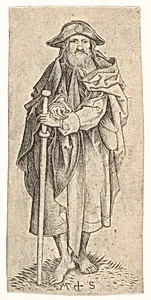
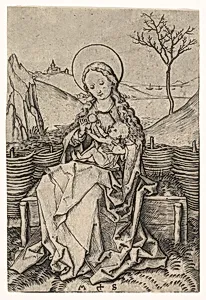
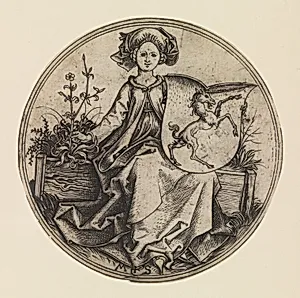
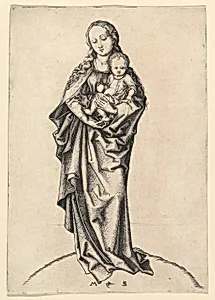
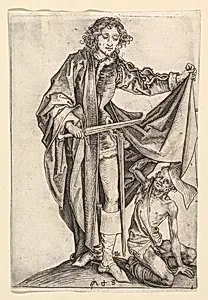
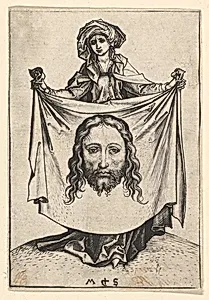
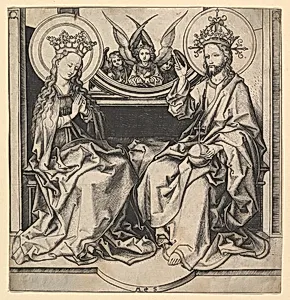
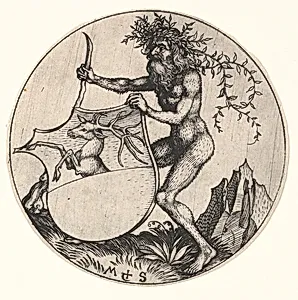
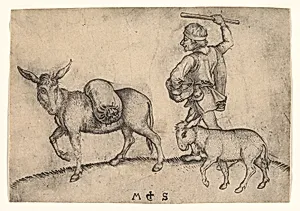
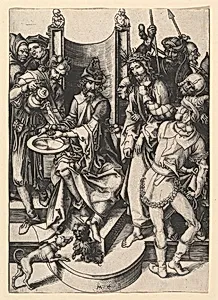
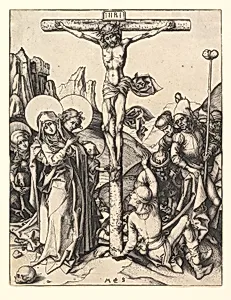
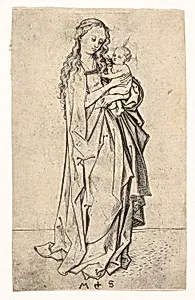
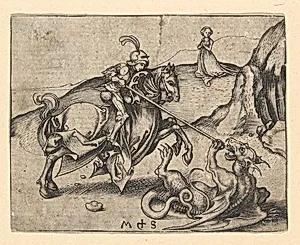
Schongauer's genius shone brightest in engraving, producing around 116 monogrammed plates that revolutionized the medium north of the Alps. Working in a refined Late Gothic style with strong Early Netherlandish influences—evident in copies like his 1469 drawing after Rogier van der Weyden—he pioneered techniques such as cross-hatching for volume and curved parallel lines for texture, eschewing Italian Renaissance elements for organized, aristocratic compositions. Iconic engravings include *The Temptation of St. Anthony* (ca. 1470–74), with its grotesque, animal-hybrid demons that inspired Michelangelo's youthful drawing; *Rest on the Flight into Egypt*, later homaged by Albrecht Dürer; *Death of the Virgin*; and the large *Christ Carrying the Cross* (ca. 1480), his grandest plate at 28.8 x 43.3 cm. Series like the *Passion* (ca. 1480), *Wise and Foolish Virgins* (ca. 1490), and *Evangelists' Symbols* spread his motifs across Europe, copied by painters, sculptors, and engravers such as Israhel van Meckenem.
Though celebrated in his lifetime as "Hübsch Martin" for his graceful work, Schongauer balanced printmaking with painting, creating the *Madonna of the Rose Bower* (1473) for Colmar's Dominican church and the *Orlier Altarpiece* shutters (ca. 1470–75) at the Musée d'Unterlinden. Moving to Breisach in 1488, he began a fresco *Last Judgment* in the cathedral, left incomplete at his death on February 2, 1491. His legacy as the preeminent German engraver before Dürer endures; Dürer collected his prints, sought him out (arriving posthumously), and built upon his innovations. Pupils like Hans Burgkmair carried forward his torch, while his engravings influenced masters from Bosch to Italian artists, cementing Schongauer's role in bridging Gothic precision with Renaissance potential.