Ctrl K
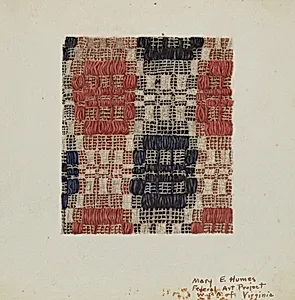
**Mary E. Humes (1911–2001)** was an American artist best known for her meticulous contributions to the Index of American Design, a landmark Federal Art Project under the Works Progress Administration (WPA) during the Great Depression. Active primarily in the late 1930s and early 1940s, Humes produced detailed watercolor, graphite, pen and ink, and gouache renderings of everyday American folk art objects, preserving their craftsmanship for posterity. The National Gallery of Art holds 75 of her works, documenting costumes, maritime carvings, furniture, and toys that reflect regional traditions, particularly from the Virginia project. Little is known about her early life or formal training, as biographical details remain sparsely documented beyond her professional output.
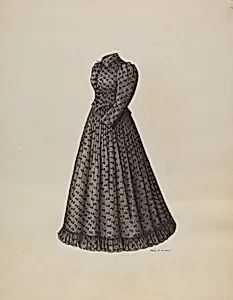
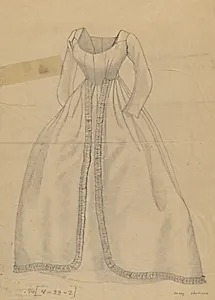
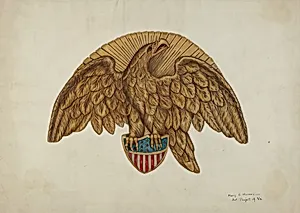
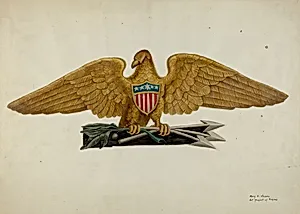
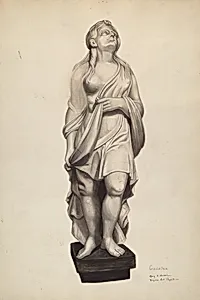
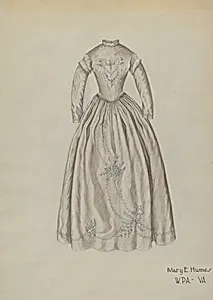
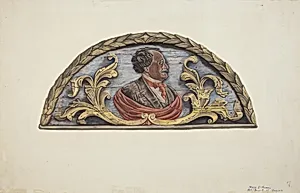
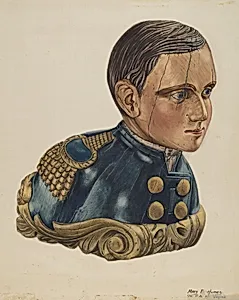
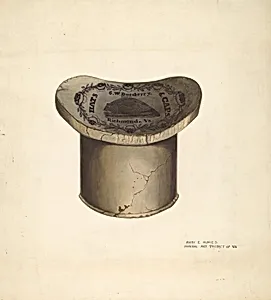
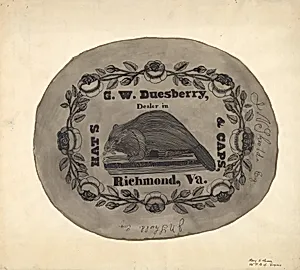
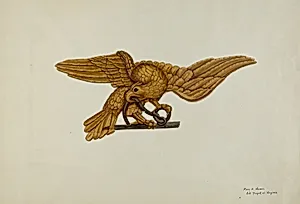
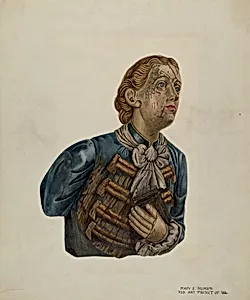
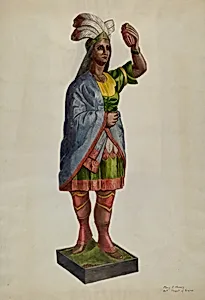
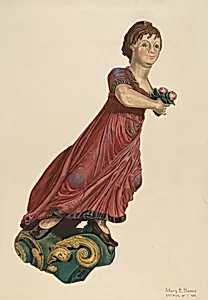
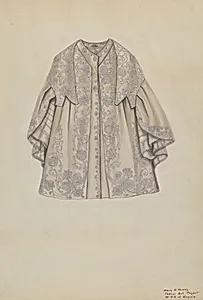
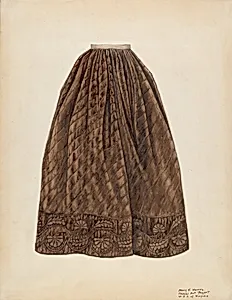
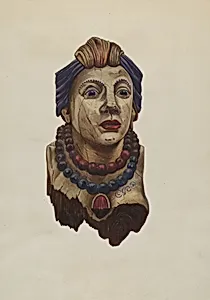
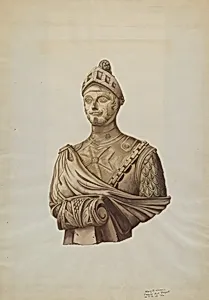
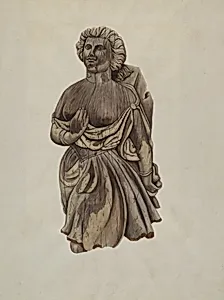
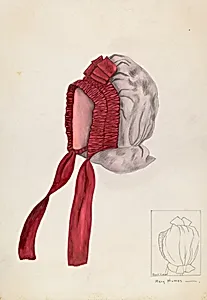
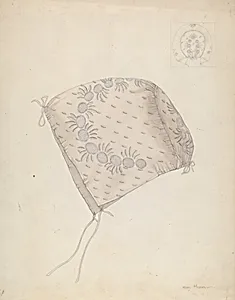
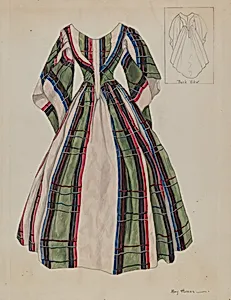
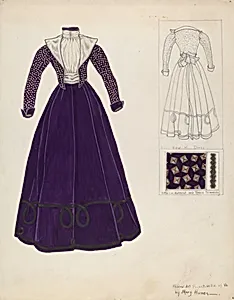
Humes excelled in capturing the textures and forms of historical artifacts with precision and sensitivity. Her subjects ranged from elegant 19th-century garments—such as *Wedding Dress* (c. 1939, watercolor, graphite, and gouache), *Morning Dress* (1935–1942), and *Man's Suit* (c. 1937)—to whimsical toys like *Doll and Costume* (c. 1936) and practical items including *Old Dresser* (c. 1936) and *Hat Box* (c. 1939). Maritime motifs were prominent, with vivid depictions of ship elements like *Galatea Figurehead* (c. 1940), *Stern Board* from the ship *John Penrose* (c. 1939), *Cigar Store Pocahontas* (c. 1939), and *Jolly Tar* figurehead, highlighting carved wooden folk sculptures from American ports. These works, often mounted in the NGA's Index collection (accession prefix 1943.8.), showcase her skill in rendering fabrics, woods, and metalwork, evoking the tactile quality of objects from colonial and federal eras.
Working within the WPA's ambitious effort to catalog national design heritage, Humes helped democratize art historical scholarship by making vernacular crafts accessible to scholars and the public. Her drawings not only archived disappearing artifacts but also celebrated the anonymous makers of America's material culture, from seamstresses to ship carvers. Though she produced no major independent exhibitions during her lifetime, Humes' oeuvre endures as a vital resource for studying regional aesthetics, influencing later folk art studies and museum interpretations. Her legacy lies in this quiet documentation, bridging artistry with cultural preservation amid economic hardship.