Ctrl K
1826–1906
Mary Newbold Sargent (née Singer, 1826–1906) was born on April 24, 1826, in Philadelphia, Pennsylvania, to John Singer, a tanner and merchant, and Mary Smith Newbold. She married Dr. FitzWilliam Sargent, an eye surgeon, on June 27, 1850, in Philadelphia. The death of their first daughter, Mary Newbold Sargent (1851–1853), triggered a profound emotional crisis for Mary, prompting the family to abandon their Philadelphia roots and embark on a nomadic expatriate life across Europe—France, Germany, Italy, and Switzerland—to aid her recovery. FitzWilliam resigned his post at Wills Eye Hospital, and they sustained themselves modestly on Mary's inheritances: $10,000 from her father in 1850 and $45,000 from her mother in 1859. Their surviving children—John Singer Sargent (born 1856 in Florence), Emily (1857 in Rome), and Violet (1870 in Florence)—grew up immersed in this itinerant world of art, culture, and seasonal resorts.
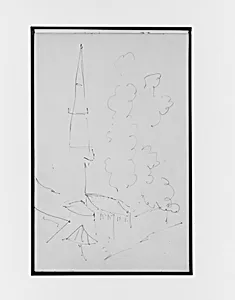
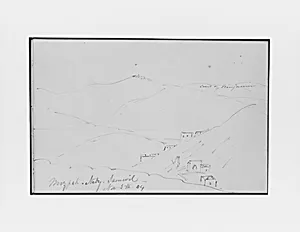
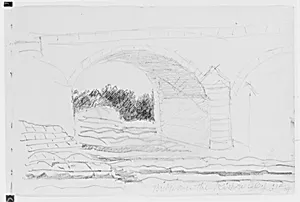
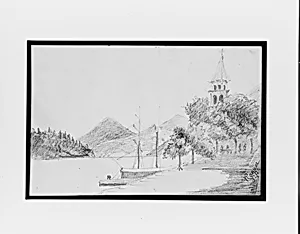
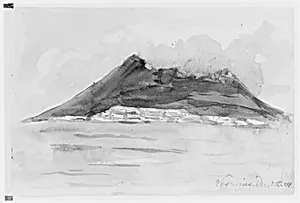
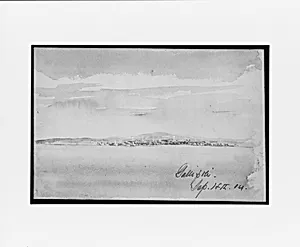
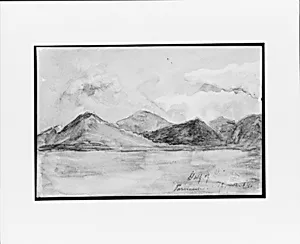
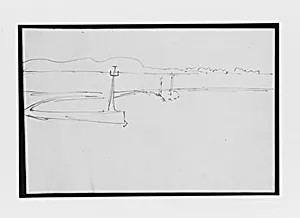
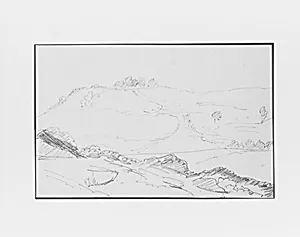
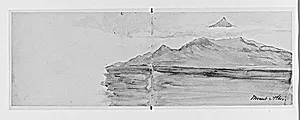
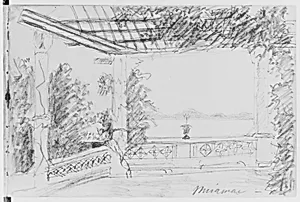
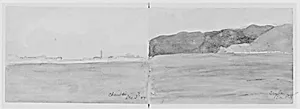
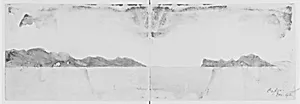
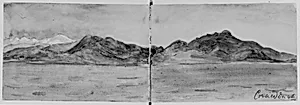
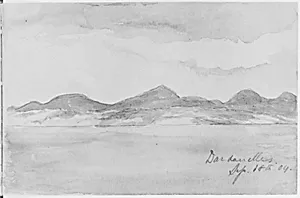
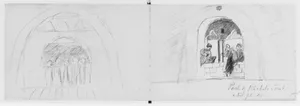
Little is documented about Mary's formal artistic training; she emerged as a capable self-taught amateur painter and draftsman, fostering a creative environment for her family. Her husband, a skilled medical illustrator, and their shared exposure to Europe's museums and churches nurtured this passion. Mary supplied young John with sketchbooks, praising his "remarkably quick and correct eye" at age thirteen, and joined him in copying illustrations from periodicals. In her later years, she produced vibrant travel sketches, capturing landscapes and architecture in graphite on paper. A highlight was her 1870 Switzerland sketchbook, where John portrayed her profile, and her 1904 journey through Greece and the Near East at age 78, despite residing in Cairo for health reasons since 1881.
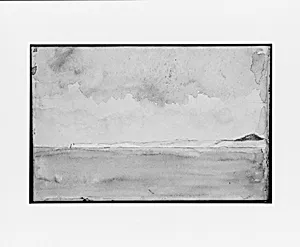
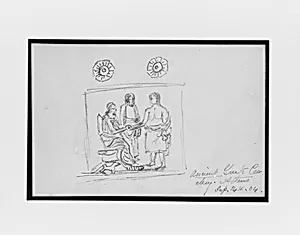
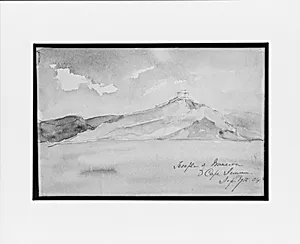
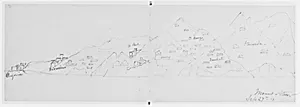
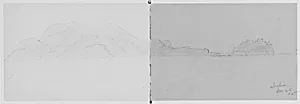
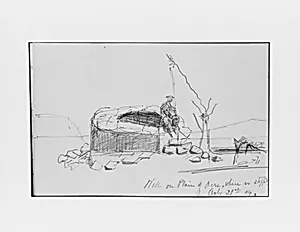
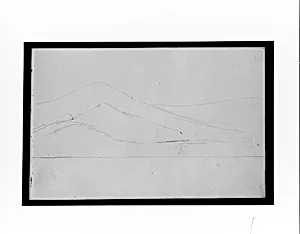
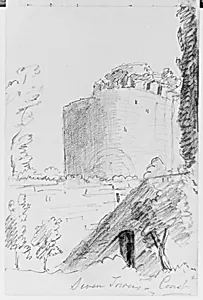
Mary's major works reside in The Metropolitan Museum of Art's American Wing, including pages from her *Sketchbook of Greek and Near East Subjects* (1904): *Dulcigno*, *Corfu*, *Catene de Cattaro*, *Gulf of Corinth*, *Temple of Minerva*, and views of Mount Athos monasteries observed from a boat. These precise, spontaneous graphite drawings reflect her keen observation of ancient sites, ports, and villages. She also worked in watercolor, influencing daughters Emily and Violet, both artists in their own right.
Mary died suddenly of heart failure on January 21, 1906, at her daughter Emily's home in Chelsea, London, and was buried in Bournemouth, England. Her legacy endures as the matriarch of an extraordinary artistic dynasty, her modest sketches preserved alongside her son's masterpieces, embodying the nomadic spirit that propelled John Singer Sargent to fame. Mary's encouragement and own late-life creativity highlight the unsung role of women in fostering 19th-century American expatriate art.