Ctrl K
1450–1467
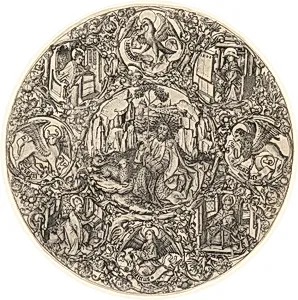
Master E.S. was a pioneering German engraver active in the middle decades of the fifteenth century, known only by the monogram with which he signed a number of his prints. His precise identity — name, birthplace, and biography — remains unknown, but his signed works, along with a larger group of prints attributed to him on stylistic grounds, place his activity primarily in the Upper Rhine region, possibly in or around Strasbourg or Basel, between roughly 1450 and 1467. He is one of the earliest printmakers to have signed his work at all, making him a landmark figure in the history of the graphic arts.
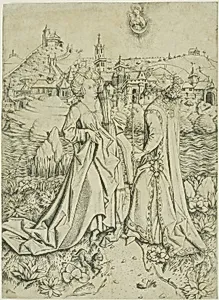
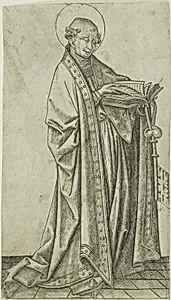
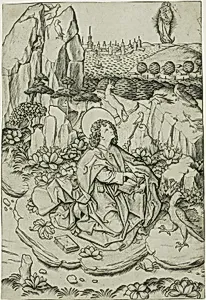
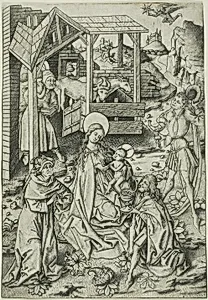
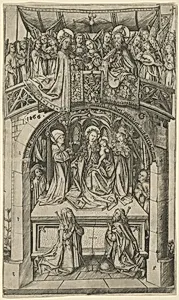
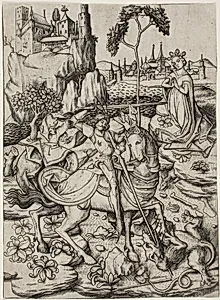
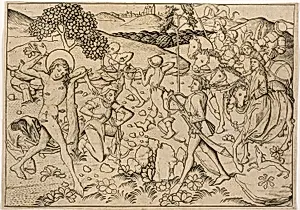
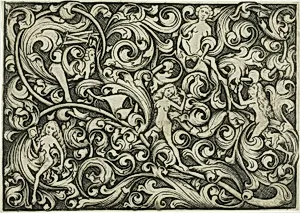
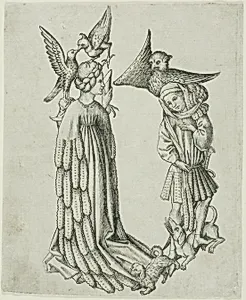
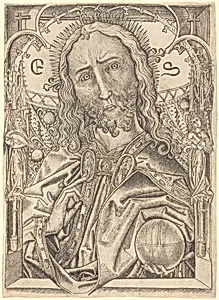
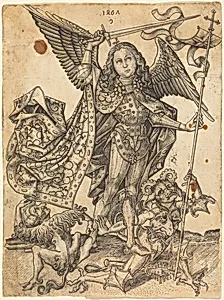
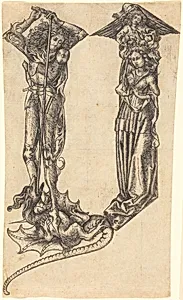
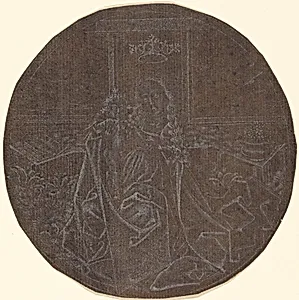
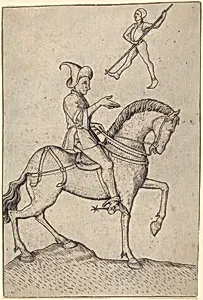
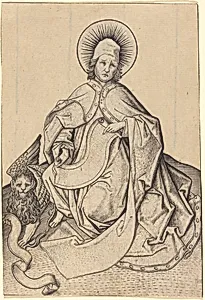
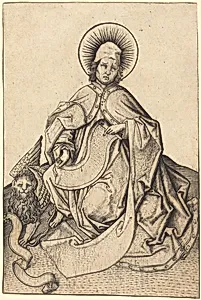
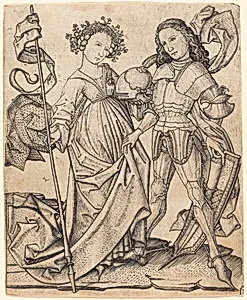
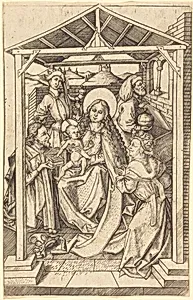
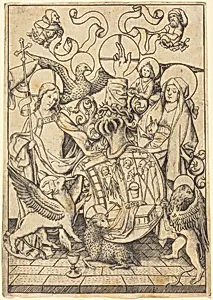
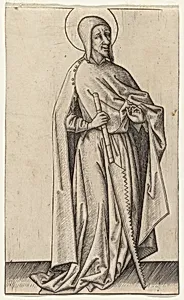
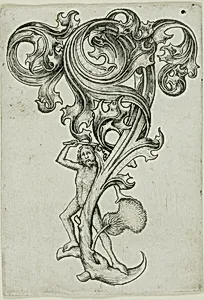
Master E.S. is credited with advancing the technical possibilities of engraving far beyond what had been achieved by his predecessors. He developed a more sophisticated system of parallel and cross-hatching to model form and create tonal gradations, bringing a new sense of three-dimensionality and textural richness to the medium. His range of subjects was broad, encompassing devotional images of the Virgin and Child, saints, Passion scenes, playing cards, alphabet letters, and fantastical secular subjects — evidence that the market for prints in his era extended well beyond religious devotion.
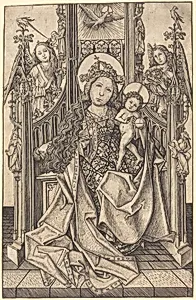
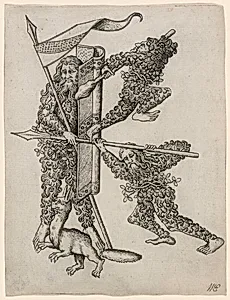
Among his most celebrated works are the large prints of the Madonna, multiple versions of which he produced in differing formats, and his elaborate alphabets incorporating fantastic figures. These prints circulated widely, influencing goldsmiths, sculptors, manuscript illuminators, and subsequent generations of printmakers, most notably the young Martin Schongauer, who is thought to have studied his work closely.
Master E.S. stands at the very beginning of the history of European printmaking as an artistic medium, and his technical innovations and thematic range established foundations that would shape the craft for centuries. Though his identity remains shrouded in anonymity, the quality and originality of his surviving prints ensure his place among the most important artists of the fifteenth century.