Ctrl K
1477–1525
The artist known as Master MZ is one of the most accomplished and enigmatic printmakers of the German Renaissance, active around the turn of the sixteenth century. The designation derives from the monogram MZ with which the artist signed a small but technically extraordinary group of engravings, and despite sustained scholarly inquiry, the individual behind these initials has never been conclusively identified. Various attributions have been proposed, including the Munich goldsmith Matthes Zasinger, but none has achieved universal acceptance, and the artist remains known by the conventional name that his monogram provides.
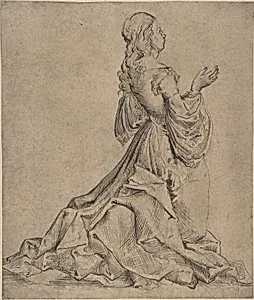
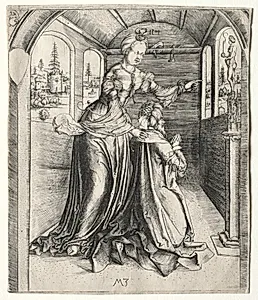
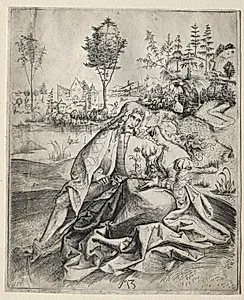
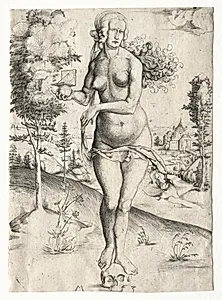
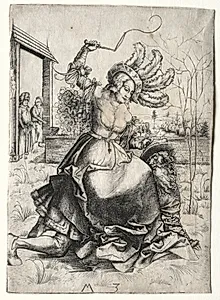
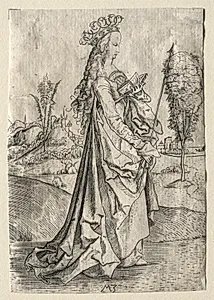
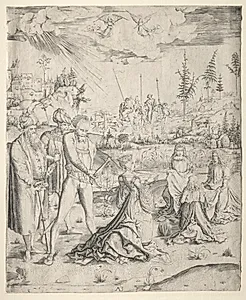
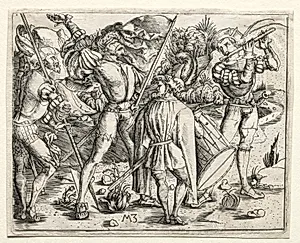
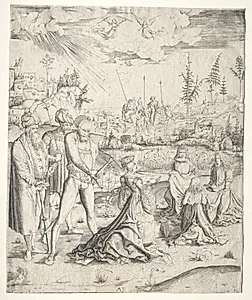
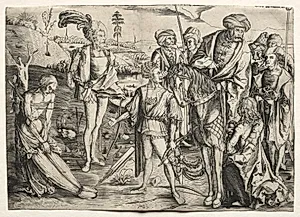
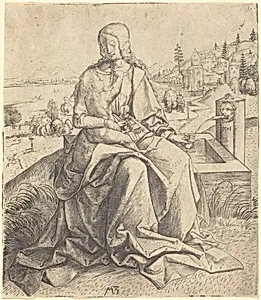
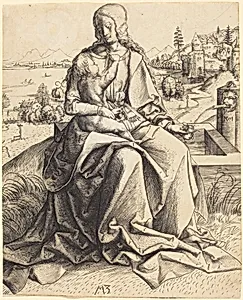
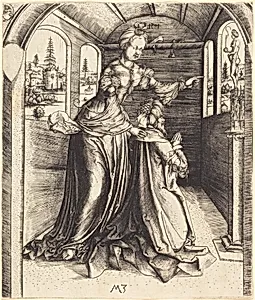
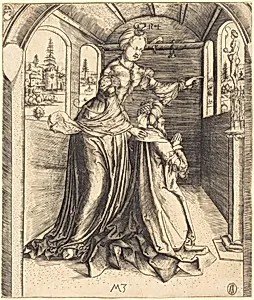
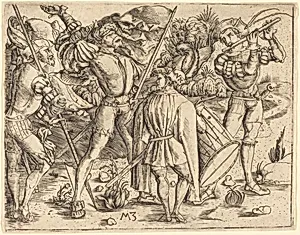
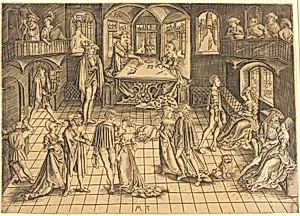
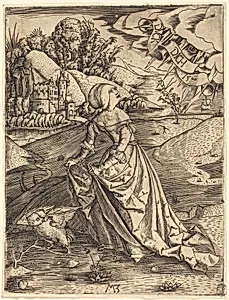
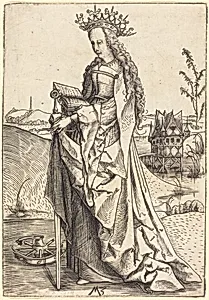
What is beyond dispute is the exceptional quality of Master MZ's engravings, which reveal a printmaker of the first rank, intimately familiar with the goldsmith's art and deeply engaged with the visual culture of late fifteenth and early sixteenth-century Germany. His technique is remarkable for the delicacy and variety of his line — fine, flexible, and capable of rendering both the shimmer of brocaded fabrics and the soft modeling of flesh with equal facility. His compositions reflect knowledge of Italian Renaissance models as well as the influence of the great German engravers, particularly Martin Schongauer, whose example loomed large for all German printmakers of the period.
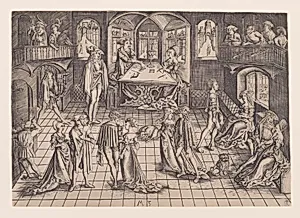
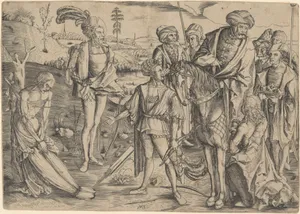
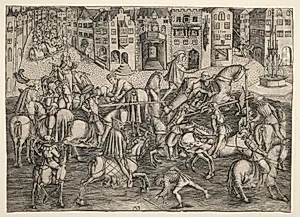
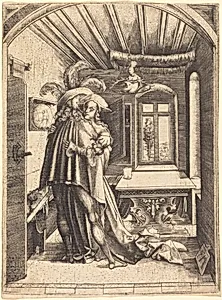
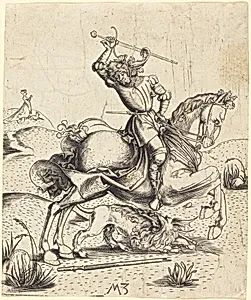
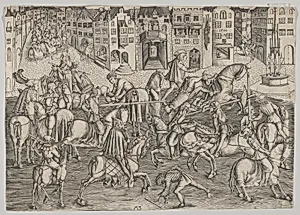
Master MZ's surviving works, numbering around thirty sheets, include mythological subjects, secular genre scenes, and religious compositions. Among the most celebrated are his engravings of courtly and tournament subjects — scenes of jousting knights, elegantly dressed figures, and the pageantry of aristocratic life — which combine narrative vitality with a jeweler's attention to ornamental detail. These prints were almost certainly produced for a sophisticated, wealthy clientele with tastes formed by both German and Italian court culture.
The mystery of Master MZ's identity has done nothing to diminish appreciation of his art, which is represented in major print collections across Europe and North America. He stands as a reminder that the history of art contains artists of genuine greatness whose biographies remain, perhaps permanently, beyond recovery — and that the work itself can speak eloquently even when the maker is silent.