Ctrl K
1460–1475
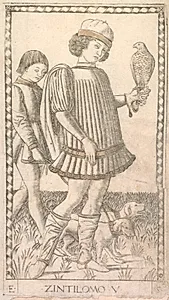
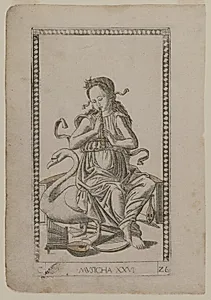
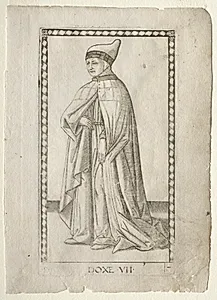
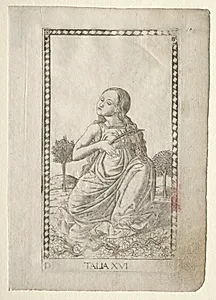
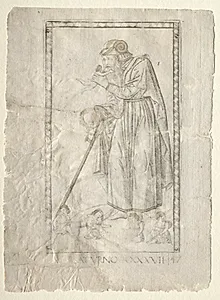
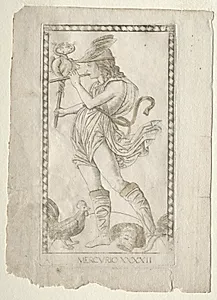
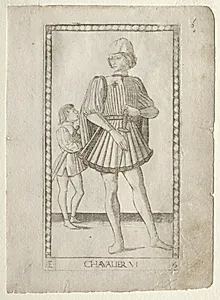
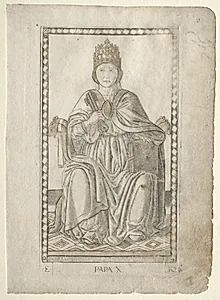
The Master of the E-Series Tarocchi was an anonymous Italian engraver active in Ferrara around 1465, during the vibrant era of the Este court. His early life and training remain undocumented, but stylistic affinities link him to artists collaborating with Francesco del Cossa on the frescoes of Palazzo Schifanoia's Salone dei Mesi. Working in the Ferrarese tradition, he produced the pioneering E-series of fifty engravings—misnamed "Tarocchi di Mantegna" after a long-discarded attribution to Andrea Mantegna—on thin paper sheets, some gilded or hand-colored, likely as educational aids for elite youth rather than playing or divination cards.
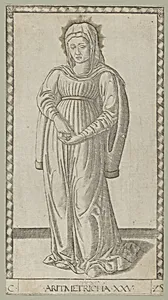
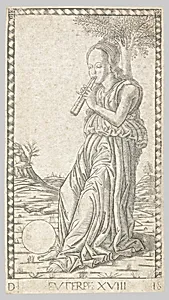
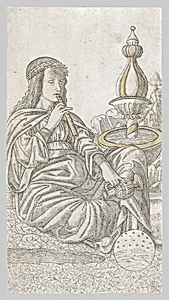
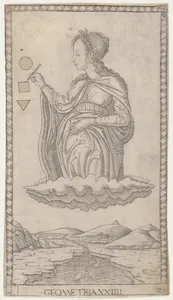
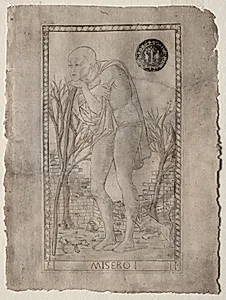
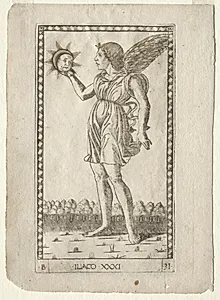
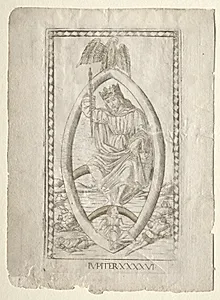
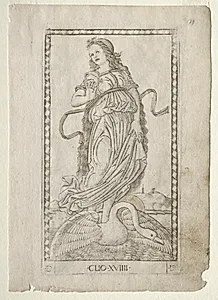
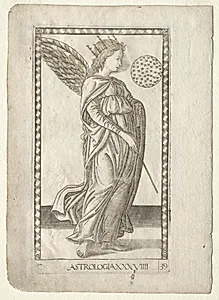
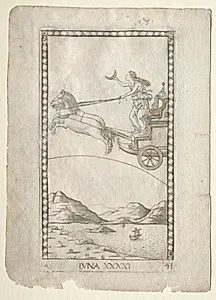
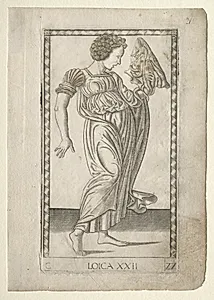
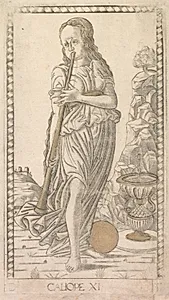
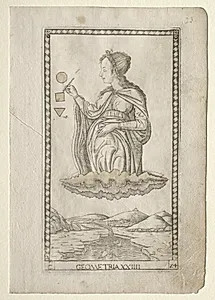
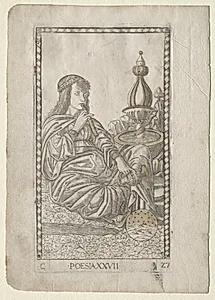
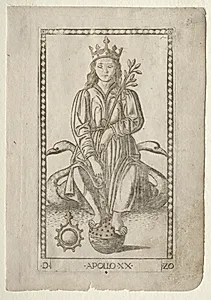
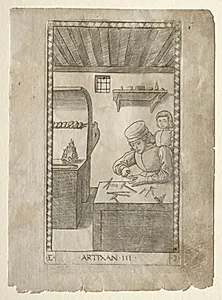
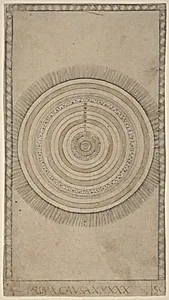
These intricate prints form a humanist vision of the cosmos, structured in five thematic groups labeled A through E. Series E depicts the "Estates" of humanity, from the Beggar (Misero) to the Pope, ascending through social ranks like Artisan (Artixan), Merchant (Merchadante), Knight (Chavalier), and Emperor (Imperator). Group D honors Apollo and the nine Muses, such as Euterpe and Calliope; C personifies the liberal arts (e.g., Geometry, Rhetoric, Arithmetic) plus Poetry, Philosophy, and Theology; B features three Genii of light (Sun, Time, World) and the seven Virtues like Justice, Fortitude, and Charity; and A maps celestial spheres from Moon and planets (Mercury, Venus) to the Eighth Sphere of stars, Primum Mobile, and Prima Causa (God). Notable examples include Poetry irrigating Parnassus with the Castalian spring and Iliaco, the Genius of the Sun.
Superior in engraving quality to the later S-series (its mirror-image counterpart), the E-series reflects deep engagement with classical sources like Martianus Capella, blending Ferrarese dialect titles with Renaissance cosmology. Preserved in museums like the National Gallery of Art, Metropolitan Museum, and Art Institute of Chicago, these works exemplify early Italian printmaking's shift toward didactic humanism. Their legacy endures through copies by Albrecht Dürer, Michael Wolgemut, and others, inspiring later artists and even modern tarot adaptations, cementing the Master's role in bridging medieval iconography and Renaissance enlightenment.