
Ctrl K
1420–1467
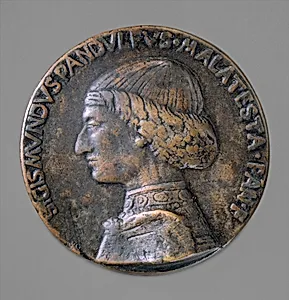
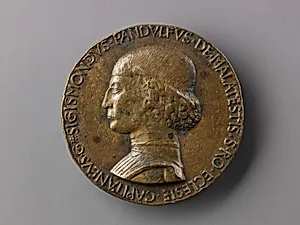
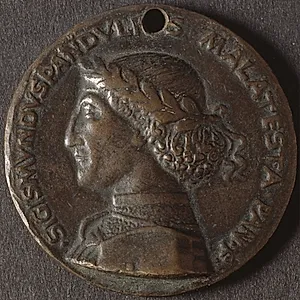
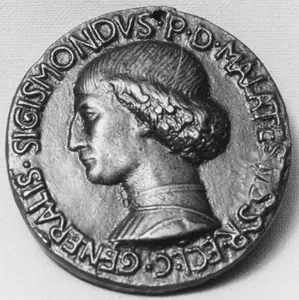
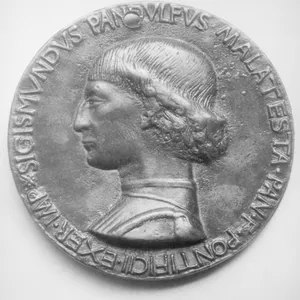
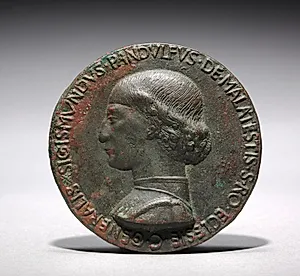
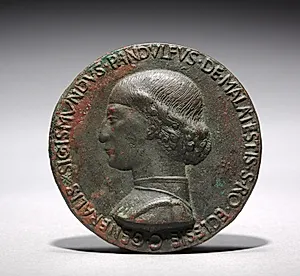
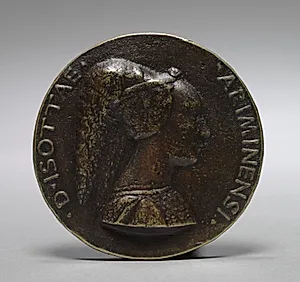
Matteo de' Pasti (c. 1420–c. 1467) was an Italian medalist, illuminator, and architect active in the mid-fifteenth century, best known as the principal artist of the brilliant humanist court of Sigismondo Pandolfo Malatesta in Rimini. The precise details of his early training are not fully documented, but he was active as a miniature painter and illuminator before establishing himself as one of the finest medalists of his generation. He is believed to have worked with or been influenced by the pioneering medalist Pisanello, whose innovations in the portrait medal form he absorbed and developed.
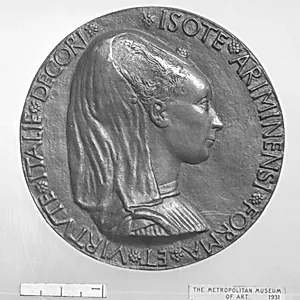
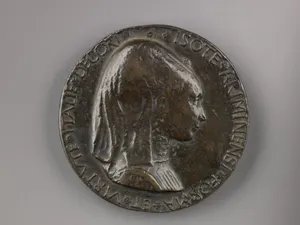
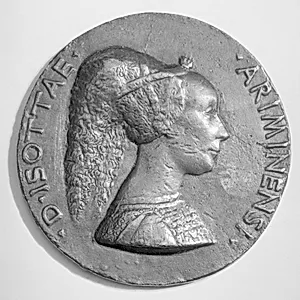
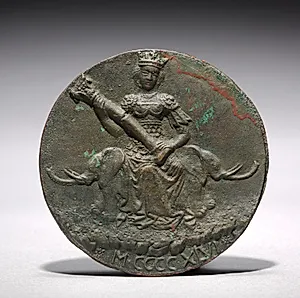
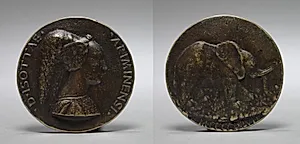
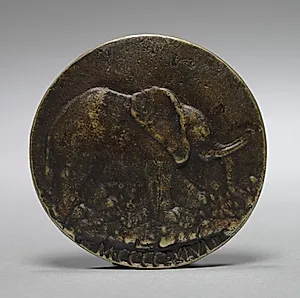
De' Pasti's portrait medals are distinguished by their subtle modeling, their sensitive characterization of faces, and the sophistication of their reverse designs, which draw on classical motifs and humanist iconography. He produced memorable medals of Sigismondo Malatesta himself, as well as of the scholar and architect Leon Battista Alberti — one of the earliest portrait medals of a living artist and intellectual, and a document of the close relationship between the two men at the Riminese court. Alberti was also designing the Tempio Malatestiano in Rimini at this time, and de' Pasti served as the supervising architect on site, translating Alberti's revolutionary classical design into built reality.
His career was cut short when, in 1461, he was arrested by Venetian authorities while traveling to the Ottoman court of Mehmed II, allegedly carrying letters and military maps from Sigismondo — an episode that reflected the complex geopolitics of the period and effectively ended his major commissions.
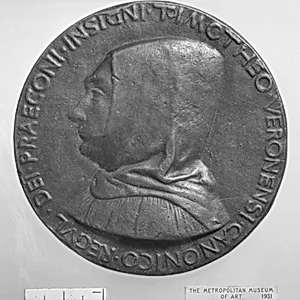
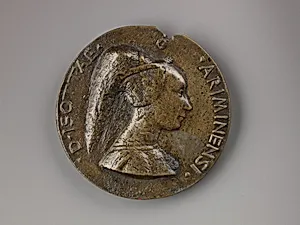
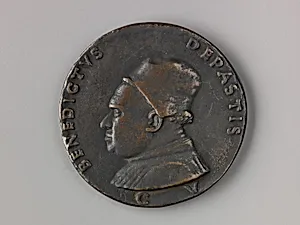
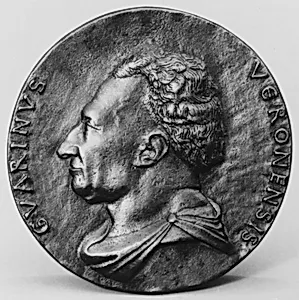
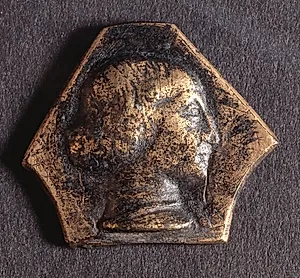
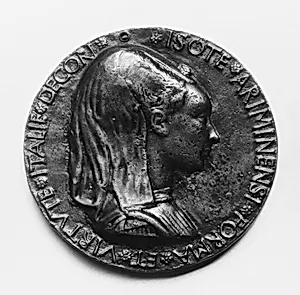
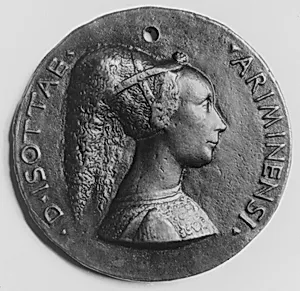
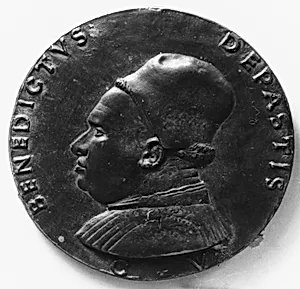
De' Pasti's medals survive in collections across Europe and America and are treasured as prime examples of early Renaissance portraiture in bronze, capturing the intellectual ambition and humanist culture of one of the fifteenth century's most remarkable courts.
![Closed Book [reverse]](https://images.artheonmuseum.org/nga/thumb/closed-book-reverse-nga-44424.webp)
![Sigismondo Pandolfo Malatesta, 1417-1468, Lord of Rimini and Fano [obverse]](https://images.artheonmuseum.org/nga/thumb/sigismondo-pandolfo-malatesta-1417-1468-lord-of-nga-44419.webp)