Ctrl K
1515–1588
**Matteo Pagano (c. 1515–1588)** was a prominent Venetian printer, publisher, woodcut artist, and illustrator whose innovative designs bridged fine art and the decorative crafts during the Renaissance. Little is known about his early life, which remains sparsely documented, but he began his career as a woodblock cutter, working for the publisher Nicolò Zoppino on pattern books before establishing his own press in Venice around 1541. Active until his death in 1588, Pagano thrived in Venice's vibrant printing hub, producing works that catered to the Republic's expanding interests in cartography, ornamentation, and civic spectacle.
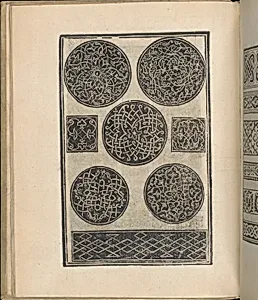
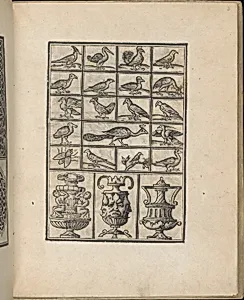
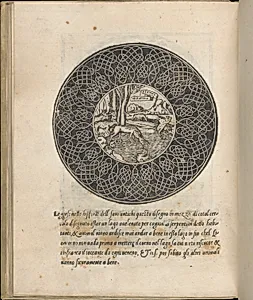
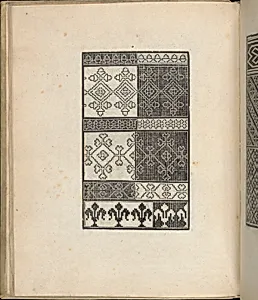
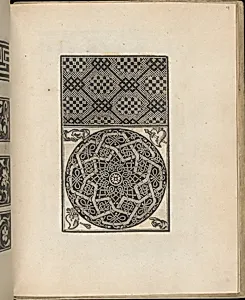
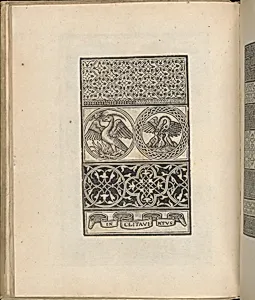
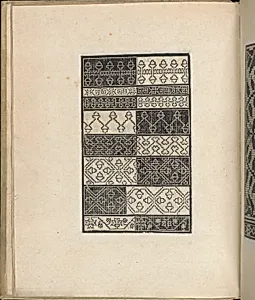
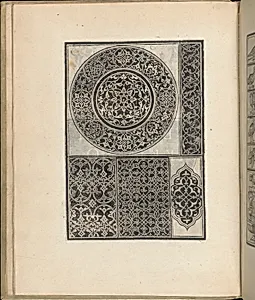
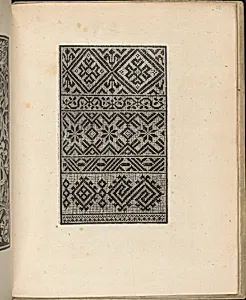
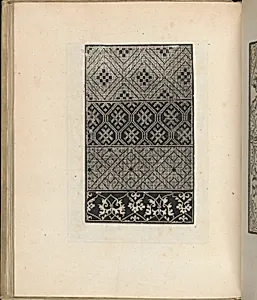
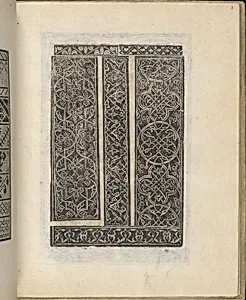
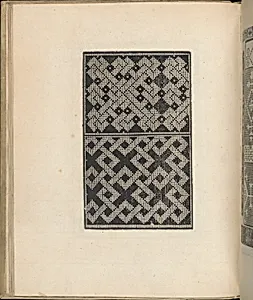
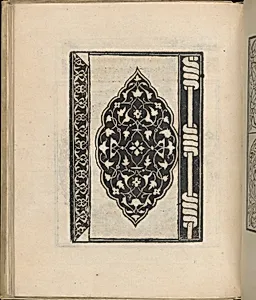
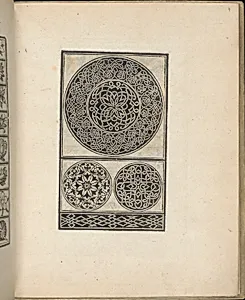
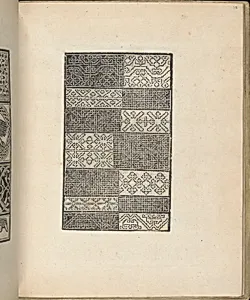
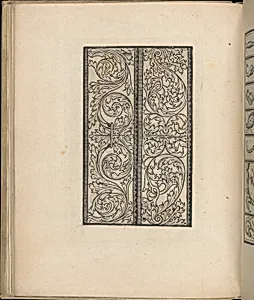
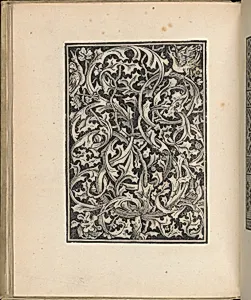
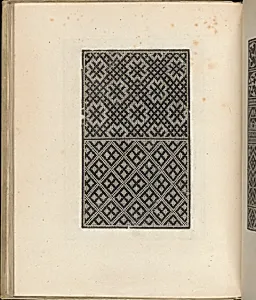
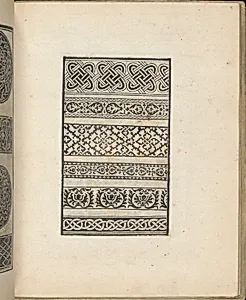
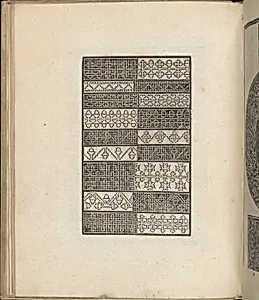
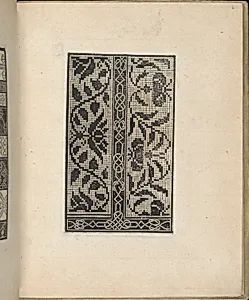
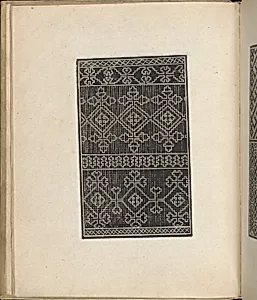
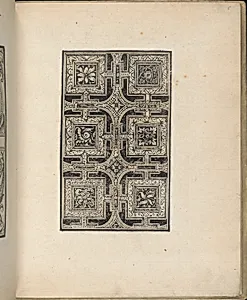
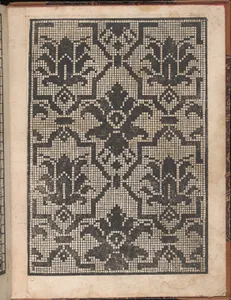
Pagano's oeuvre spans intricate model books (pattern books) for needlework, grand processional prints, and topographical maps. His *Ornamento delle belle & virtuose donne* (1554) offered 45 pages of motifs for lace, embroidery, and cutwork, blending geometric interlaces, curvilinear scripts, and floral grotesques to appeal to aspiring craftswomen. Similarly, *Trionfo di Virtù. Libro Novo* (1563) featured elaborate alphabets and repeating patterns, while *Spechio di pensieri delle belle et virtuose donne* provided further embroidery designs. Beyond textiles, his monumental woodcut *Procession of the Doge in Venice* (1556–61), assembled from eight sheets, captured the grandeur of Venetian rituals with remarkable detail. Pagano also excelled in mapping Venetian territories, issuing early views of Dalmatian strongholds like Zara, Sebenico, Knin (c. 1525), and Piedmont (1538–39).
Pagano's style epitomized Venetian Renaissance woodcuts: precise, inventive, and commercially savvy, with motifs drawing from classical grotesques and arabesques that fueled Europe's lace and embroidery boom. His publications democratized sophisticated designs, influencing workshops from Italy to the Netherlands and supporting Venice's dominance in printed patterns. Though not aligned with a specific artistic movement, Pagano's legacy endures in the fusion of utility and beauty, preserving Renaissance ornamental traditions for generations of artisans and collectors. His prolific output—over 120 known works in some collections—underscores his pivotal role in the era's print revolution.