Ctrl K
1414–1492
**Maulana Nur al-Din `Abd al-Rahman Jami** (1414–1492) stands as one of the towering figures of Persian literature and Sufi thought during the Timurid era. Born in Kharjerd near Jam in Khorasan (present-day Iran) to a Persian family, he later adopted “Jami” as his pen name. His father, Nizam al-Din Ahmad, a theologian, lawyer, and Sufi, served as his first teacher and mentor. The family soon moved to Herat, where Jami pursued an extensive education in Peripatetic philosophy, mathematics, Persian and Arabic literature, natural sciences, logic, rhetoric, and Islamic philosophy at the Nizamiyya madrasa. He later completed advanced studies in Samarkand before returning to Herat, the vibrant cultural capital of the Timurid Empire.
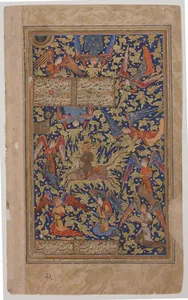
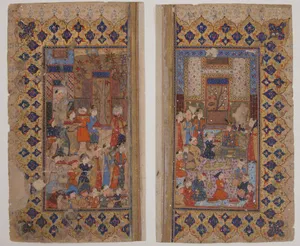
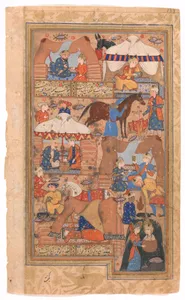
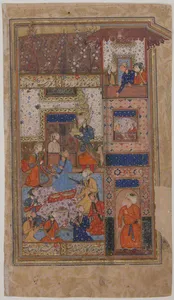
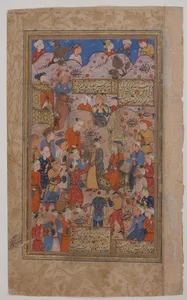
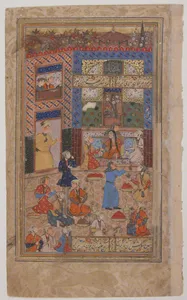
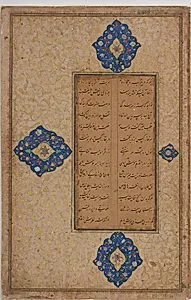
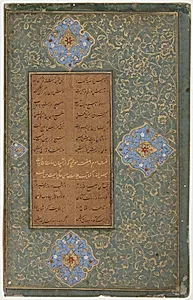
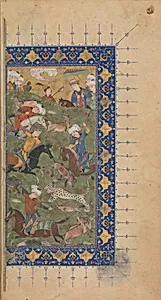
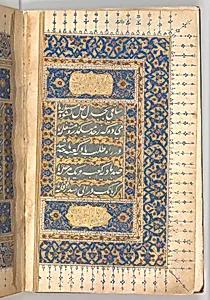
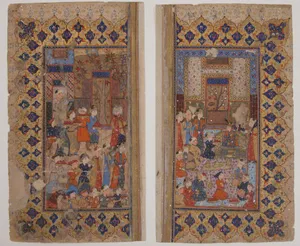
Jami belonged to the Naqshbandi Sufi order and became a leading exponent of the metaphysical ideas associated with Ibn Arabi. His poetic style blended profound mystical insight with elegant classical forms, producing works that explored divine love, ethics, and human longing through allegory and narrative. Among his most celebrated creations is the *Haft Awrang* (“Seven Thrones”), a collection of seven masnavis completed in the 1480s. Individual masterpieces within it include *Yusuf o Zuleykha* (composed 1484–1485), *Layla wa Majnun*, *Tuhfat al-Ahrar*, and others that retell timeless stories with Sufi symbolism. These texts were frequently copied and lavishly illustrated in Timurid and later Safavid workshops, giving rise to some of the finest examples of Persian manuscript painting and illumination.
Throughout his life Jami held a respected position at the Timurid court in Herat, where he influenced intellectual and religious circles while remaining devoted to scholarship. He authored roughly eighty-seven books and treatises in Persian and Arabic, encompassing poetry, theology, hagiography, and literary criticism. His death in Herat on 9 November 1492 was widely mourned; the ruler Sultan Husayn Bayqara and prominent courtiers, including the poet Ali-Shir Nava’i, participated in his funeral.
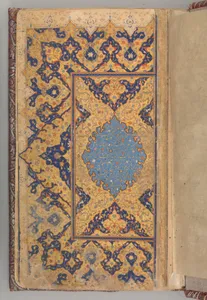
Jami’s legacy endures through the continued copying, translation, and artistic interpretation of his works. The illuminated manuscripts of the *Haft Awrang* and his other poems remain cornerstones of Islamic art collections worldwide, their intricate paintings and calligraphy preserving both his literary genius and the visual splendor of the Timurid and Safavid ateliers. As one of the last great classical Sufi poets of Persia, Jami bridged literature, spirituality, and the visual arts, ensuring that his verses continue to inspire artists and readers centuries later.