Ctrl K
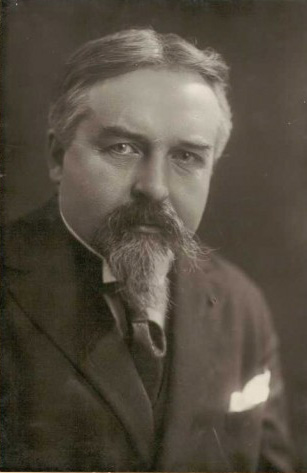
1870–1943
Maurice Denis (1870–1943) was a French painter, writer, and art theorist who became a founding member and principal theorist of the Nabis, a group of Post-Impressionist artists working in Paris in the 1890s. Born in Granville, Normandy, he studied at the Académie Julian, where he met Paul Sérusier, Pierre Bonnard, and Édouard Vuillard, the future core of the Nabi group.
Denis is perhaps best remembered for his declaration, made at age twenty, that has become one of the foundational statements of modern art: "Remember that a painting, before being a battle horse, a nude, or some anecdote, is essentially a flat surface covered with colors assembled in a certain order." This insistence on the primacy of the picture surface over illusionistic representation articulated a principle that would guide much of twentieth-century painting.
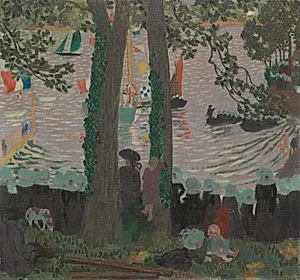
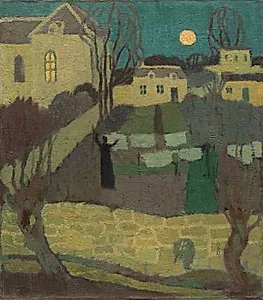
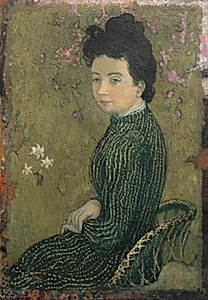
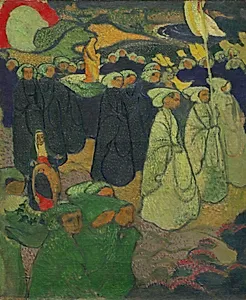
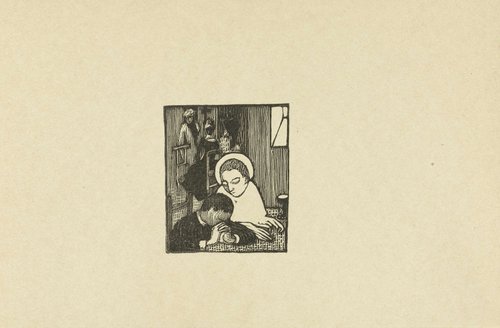
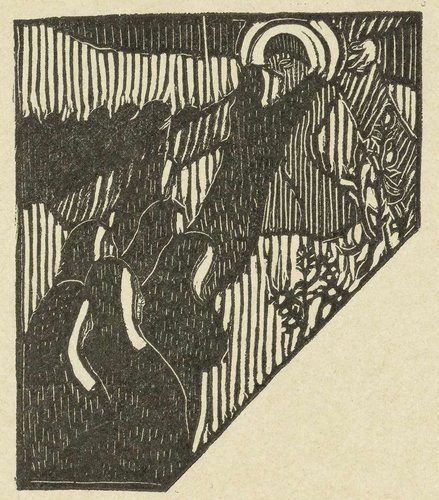
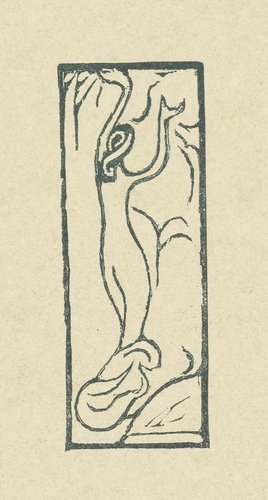
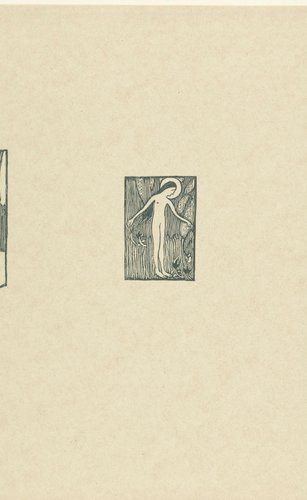
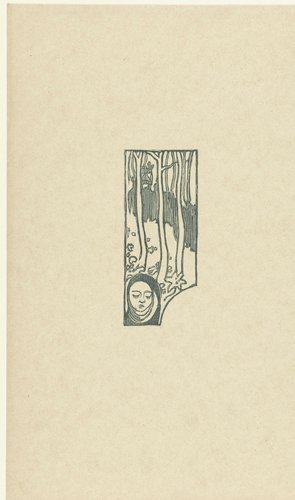
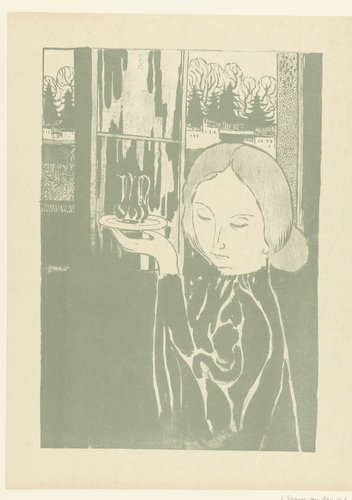
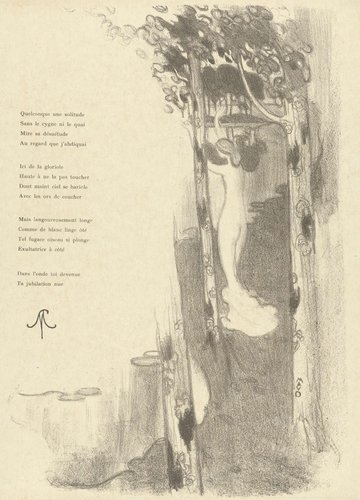
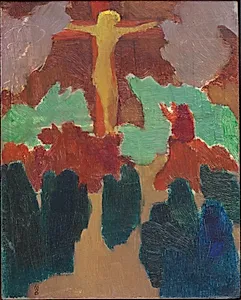
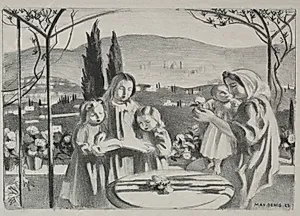
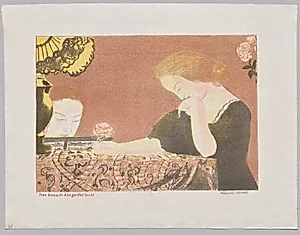
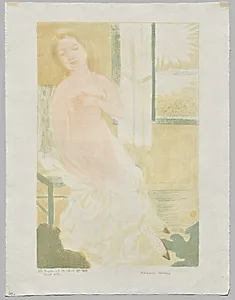
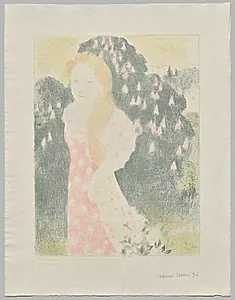
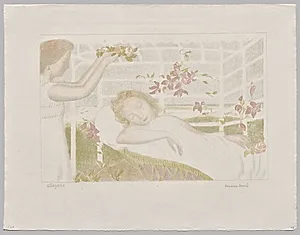
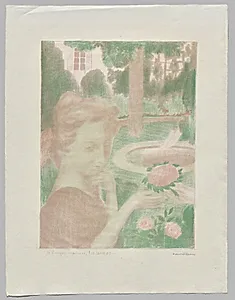
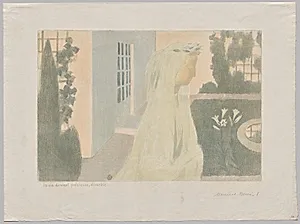
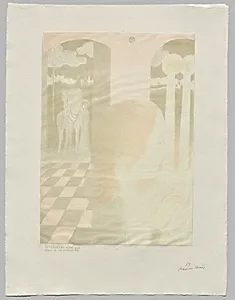
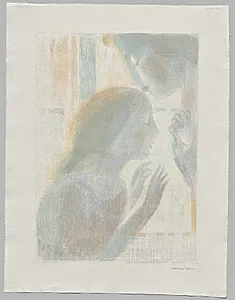
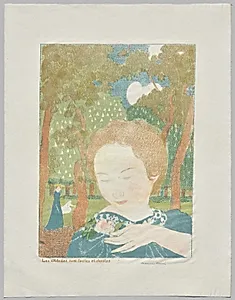
Denis's own paintings are characterized by simplified, flattened forms, decorative arabesques, and a palette of soft, luminous colors often inspired by Italian primitive painting. His subjects ranged from intimate domestic scenes and portraits of his family to ambitious religious and mythological compositions. He became increasingly devoted to Catholic art, co-founding the Ateliers d'Art Sacré in 1919 with George Desvallières to promote a renaissance of sacred art.
As a decorator, Denis executed major mural cycles for churches, the Théâtre des Champs-Élysées, and private residences. His theoretical writings, collected in volumes including "Théories" (1912), were profoundly influential on the development of modern art criticism. His work is held by the Musée d'Orsay, the Musée Maurice Denis in Saint-Germain-en-Laye, the Musée des Beaux-Arts in Lyon, and museums worldwide.