Ctrl K
1822
Maxime Du Camp (1822–1894) was a pioneering French photographer and writer whose adventurous spirit and technical innovation bridged literature and visual art during the mid-19th century. Born in Paris on February 8, 1822, to a prosperous family—his father a successful surgeon—Du Camp received a solid bourgeois education at the Collège Bourbon (now Lycée Condorcet), where he cultivated interests in literature, history, and languages. After completing his studies, he embraced a life of travel funded by family wealth, embarking on early journeys to Europe and the Near East in 1844–1845. A close friend of Gustave Flaubert, with whom he would later share transformative expeditions, Du Camp entered photography as an amateur enthusiast. He learned the calotype process from master photographer Gustave Le Gray shortly before his landmark 1849–1851 voyage, marking his transition from sketching traveler to one of the era's first photographic documentarians.
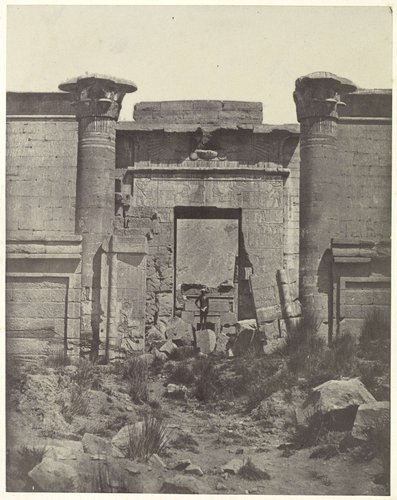
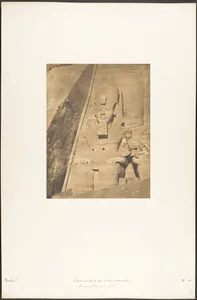
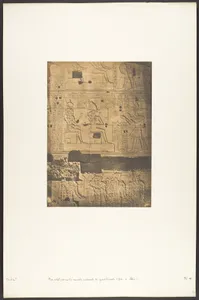
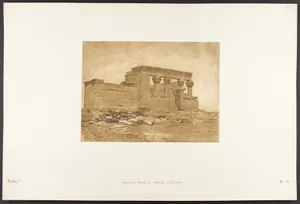
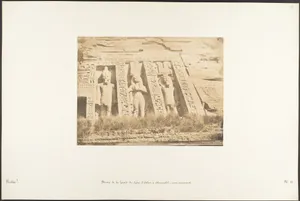
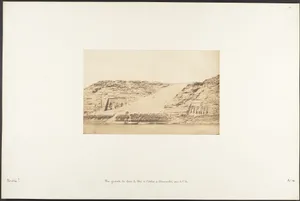
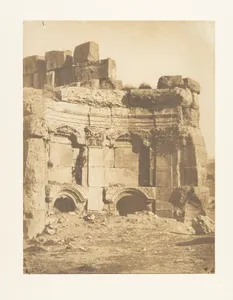
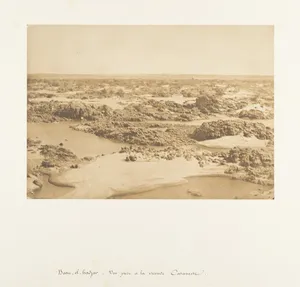
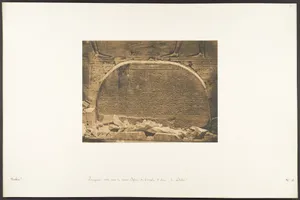
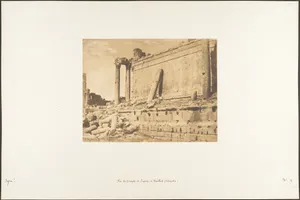
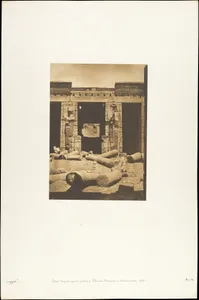
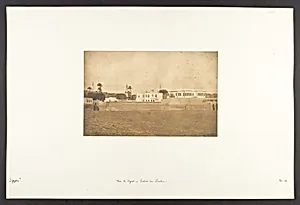
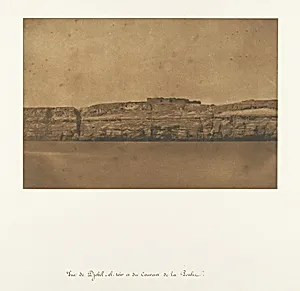
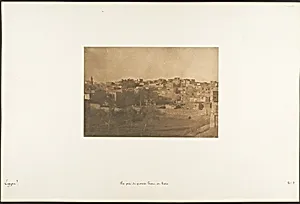
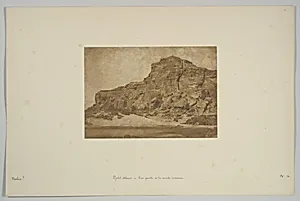
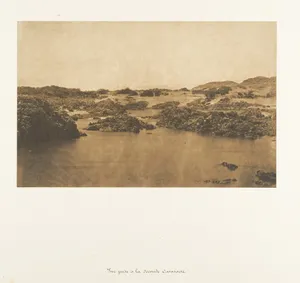
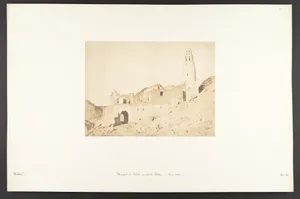
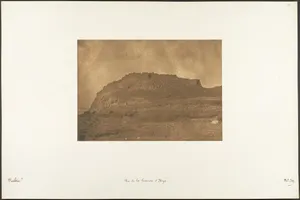
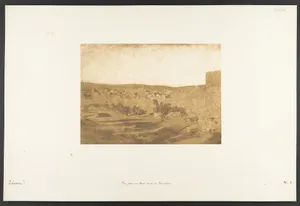
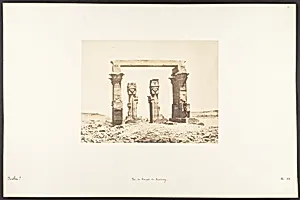
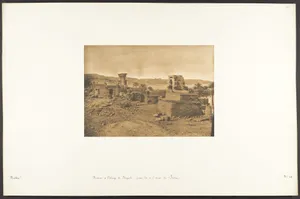
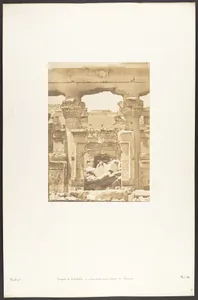
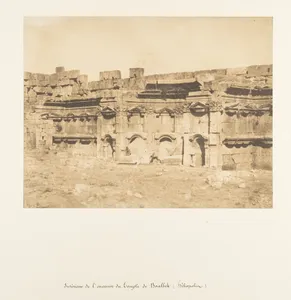
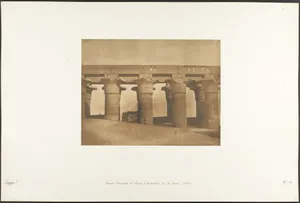
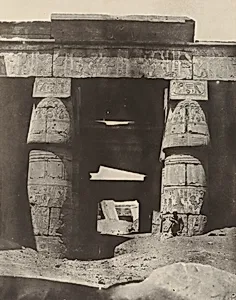
Du Camp's style aligned with Realism and Late Romanticism, emphasizing precise, luminous documentation of ancient monuments and exotic landscapes over artistic embellishment. His defining achievement came during the 1849–1851 journey with Flaubert through Egypt, Nubia, Palestine, Syria, Turkey, and Greece. There, he produced hundreds of paper negatives, capturing sites like the Stele of Karnak (ca. 1850), the Great Sphinx, and the sand-buried Temple of Abu Simbel (ca. 1850). These culminated in *Egypte, Nubie, Palestine et Syrie* (1852), among the earliest books illustrated with original photographs—125 salted paper prints produced by Blanquart-Évrard in a public edition, or up to 174 in private versions printed possibly in Le Gray's studio. The work's warm-toned, detailed images brought instant fame, revolutionizing travel literature by supplanting drawings with photographic fidelity.
Beyond photography, Du Camp founded the *Revue de Paris* (1851), serializing Flaubert's *Madame Bovary* (though their friendship soured thereafter), and contributed art criticism like *Les Salons* (1857–1861). Later writings, including *Paris, ses organes, ses fonctions et sa vie* (1869–1875) and *Souvenirs littéraires* (1882–1883), chronicled French society and literary circles. His legacy endures as a trailblazer in travel photography, providing invaluable 19th-century records of the Eastern Mediterranean before mass tourism altered these sites. Du Camp's integration of text and image not only documented vanishing worlds but also elevated photography to an artistic and evidentiary force, influencing generations of explorers and visual chroniclers.