Ctrl K
1821–1900
Occupations
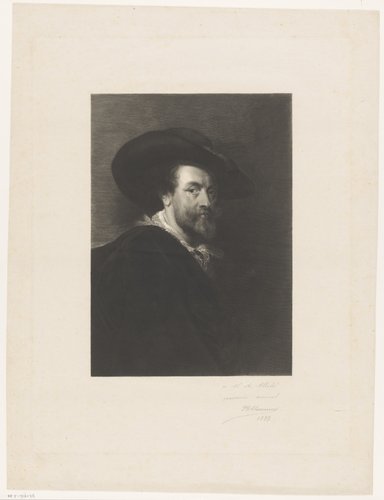
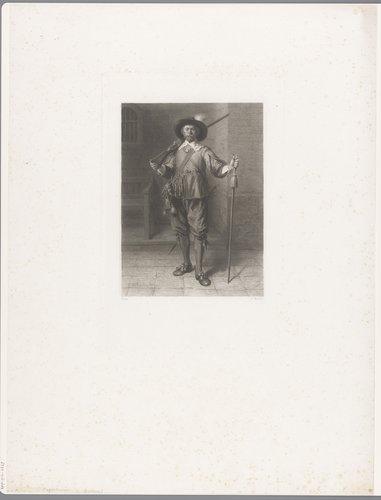
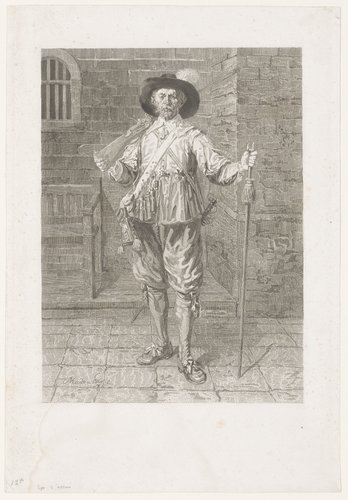
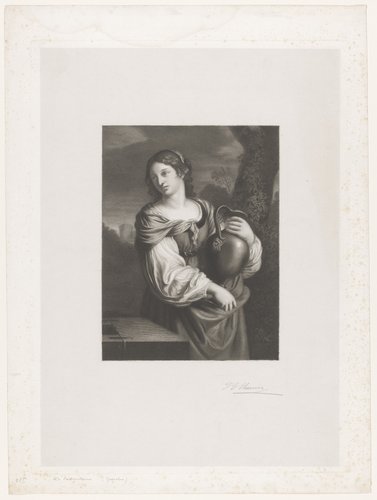
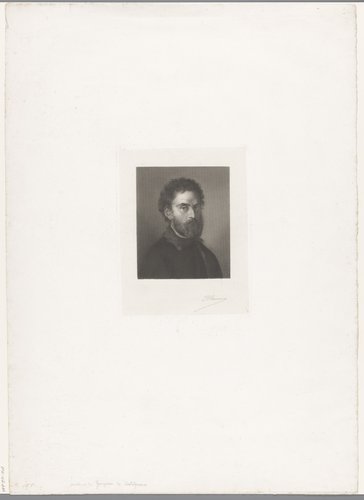
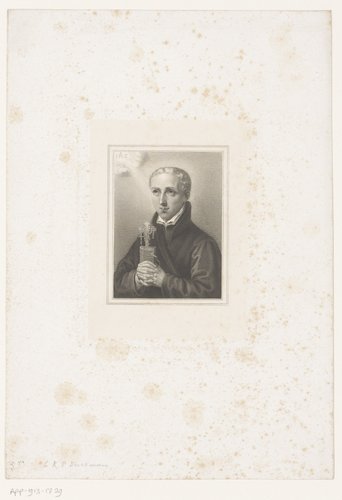
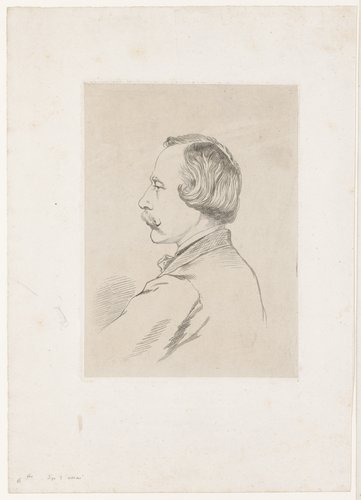
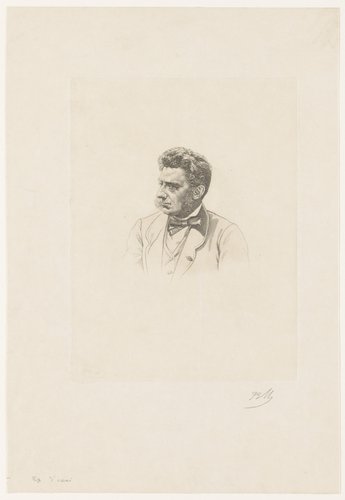
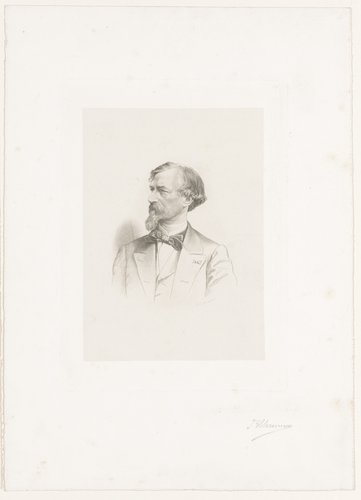
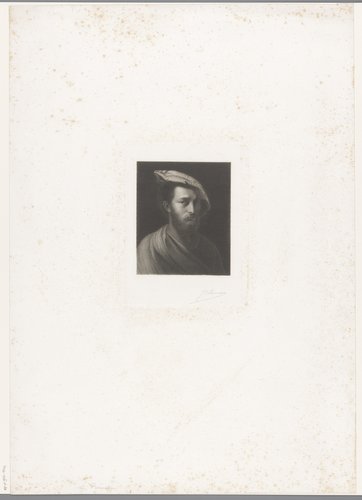
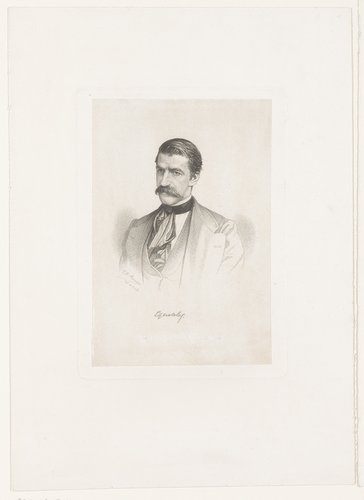
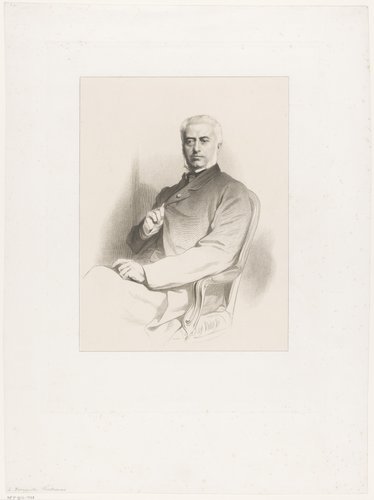
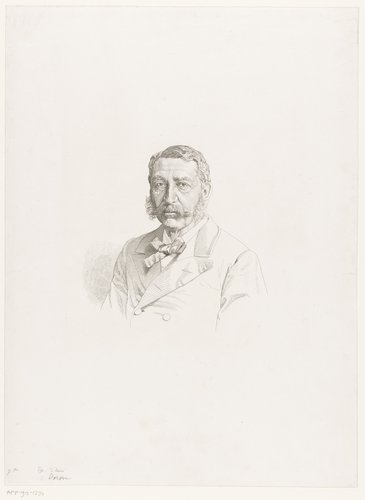
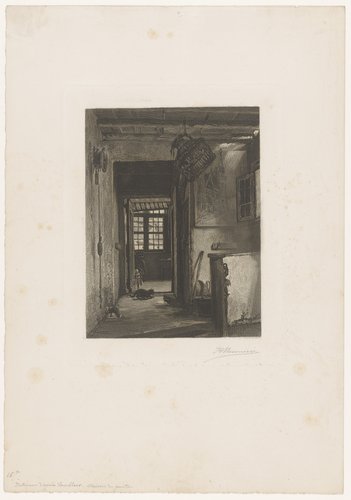
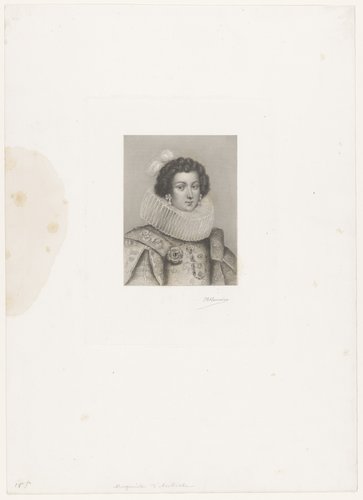
Jean-Baptiste Meunier (1821–1900) was a distinguished Belgian painter, draftsman, and engraver whose career exemplified the high technical standards of 19th-century European printmaking. Born on July 28, 1821, in Molenbeek-Saint-Jean (a commune of Brussels) and dying on February 6, 1900, in Ixelles, Meunier was a central figure in Belgian artistic culture, connected to important artistic families and institutions. As the brother of the famous sculptor Constantin Meunier (1831–1905) and father of the artist Henri Meunier (Marc Henry), he represented a significant artistic dynasty. His training under Luigi Calamatta at the Royal School of Engraving in Brussels and at the Brussels Academy of Fine Arts provided exceptional technical foundation. Meunier's achievements garnered international recognition including medals at the Paris Salon (1865, 1868), a gold medal at the Universal Exhibition of 1889, elevation to Knight of the Order of Leopold (1869), membership in the Royal Academy of Sciences, Letters and Fine Arts of Belgium (1884), and a founding vice-presidency of the Society of Belgian Etchers (1886). His career demonstrated the continued vitality of reproductive engraving in an era of rapidly changing technology.
Jean-Baptiste Meunier was born on July 28, 1821, in Molenbeek-Saint-Jean, part of greater Brussels. He was born into a family that would become one of Belgium's most distinguished artistic dynasties.
His younger brother, Constantin Meunier (1831–1905), would become one of Belgium's most celebrated sculptors, known for his powerful depictions of industrial workers and miners. The two brothers' parallel careers in different media—Jean-Baptiste in engraving and Constantin in sculpture—made the Meunier family a significant presence in Belgian art.
Jean-Baptiste's artistic education began at the Brussels Academy of Fine Arts, the premier institution for artistic training in Belgium. More specialized instruction came from studying under Luigi Calamatta (1801–1869) at the Royal School of Engraving in Brussels. Calamatta, an Italian engraver who had worked in Paris before moving to Brussels, was one of Europe's most respected engraving instructors, known for exceptionally rigorous technical standards.
This training under Calamatta provided Meunier with comprehensive mastery of line engraving techniques and deep understanding of how to translate paintings into prints while maintaining artistic quality.
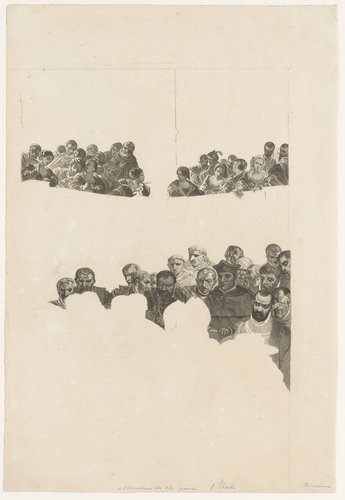
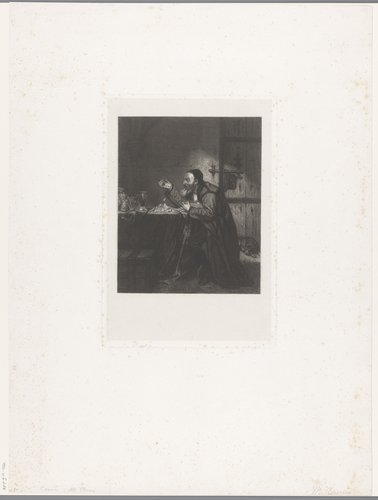
Meunier established himself as a professional engraver and graphic artist in Brussels, creating both reproductive engravings after famous paintings and original compositions. His work quickly gained recognition beyond Belgium.
At the Paris Salon, the prestigious annual exhibition that remained central to European artistic culture throughout the 19th century, Meunier received medals in 1865 and 1868. These honors confirmed his status among Europe's leading engravers and brought his work to broader international attention.
Following the 1869 Brussels Salon, Jean-Baptiste Meunier received one of Belgium's highest civilian honors when he was elevated to the rank of Knight of the Order of Leopold. This royal honor recognized both his artistic achievements and his contribution to Belgian cultural life.
The Universal Exhibition of 1889 in Paris, a massive international exposition showcasing industrial and artistic achievements, brought Meunier his greatest official recognition: a gold medal for his engraving work. This placed him among the most distinguished artists exhibiting from all nations.
Throughout these decades, Meunier's son Henri Meunier (who used the pseudonym Marc Henry) was developing his own artistic career, ensuring the continuation of the family's artistic legacy into a third generation.
In 1884, Meunier achieved perhaps his highest intellectual honor when he was elected to the Royal Academy of Sciences, Letters and Fine Arts of Belgium (Académie royale des Sciences, des Lettres et des Beaux-Arts de Belgique). This institution, founded in 1772, represented Belgium's most prestigious learned society. Meunier remained a member until his death, contributing to the Academy's activities while enjoying the recognition of his peers.
In 1886, Meunier became the first vice-president of the newly created Society of Belgian Etchers (Société des Aquafortistes Belges). This organization promoted etching and original printmaking as fine art, distinct from purely reproductive engraving. Meunier's leadership role reflected his standing in Belgian printmaking circles and his commitment to advancing the status of graphic arts.
Throughout his final decades, Meunier continued creating engravings and original compositions while serving in these organizational and honorary capacities. His career spanned the full breadth of the 19th century's artistic transformations, from Romantic and Academic traditions through Realism to the threshold of Modernism.
Jean-Baptiste Meunier died on February 6, 1900, in Ixelles, another Brussels commune. He had lived through nearly eight decades of profound artistic and technological change, maintaining dedication to traditional engraving techniques while achieving the highest recognition Belgian and international cultural institutions could offer.
Artheon Research Team
Last updated: 2025-11-09
Biography length: ~1,050 words
Wikidata (CC0); Getty ULAN (ODC-By)