Ctrl K
1855
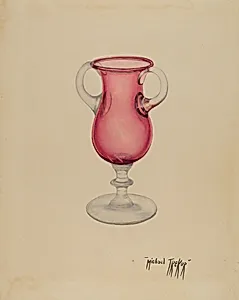
Michael Trekur is an artist about whom very little biographical information has been firmly established by art historians. No confirmed birth or death dates are recorded, and the limited documentary trail that survives makes it difficult to reconstruct the arc of his training, career, or artistic affiliations with confidence. The works attributed to him suggest a practitioner active at some point in the early modern period, but the precise chronology and geographical context of his activity remain uncertain.
Given the scarcity of reliable documentation, it would be misleading to offer a detailed account of Trekur's life or training that goes beyond what the surviving evidence supports. Scholars working with archival records and stylistic analysis continue to work toward a clearer picture of his career, but as of present knowledge, he remains one of those figures whose artistic identity is glimpsed only partially through the works that carry his name.
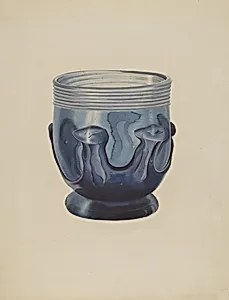
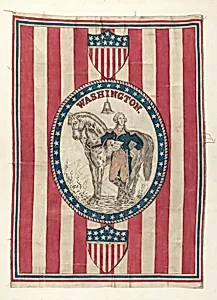
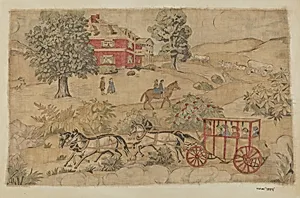
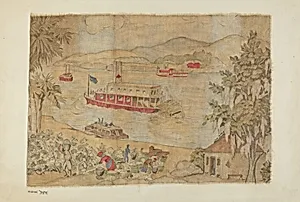
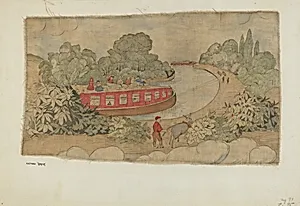
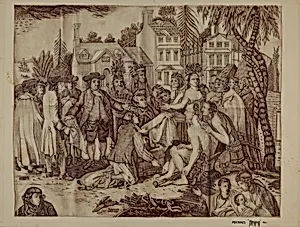
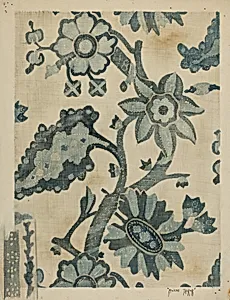
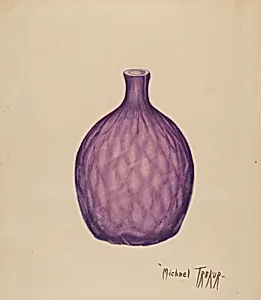
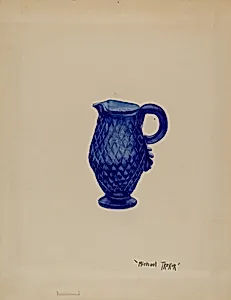
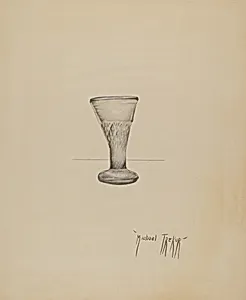
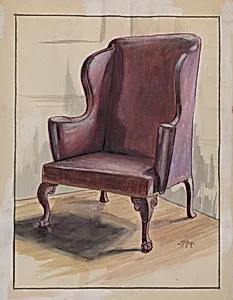
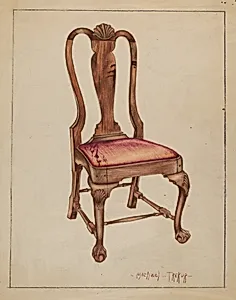
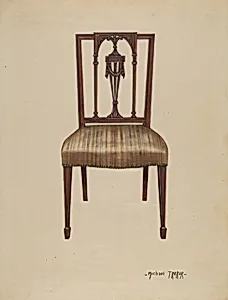
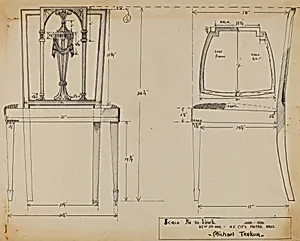
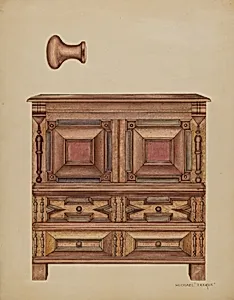
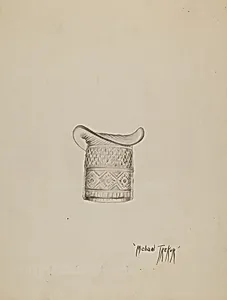
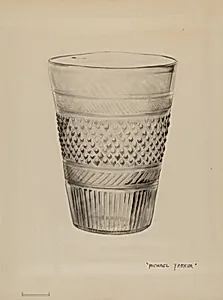
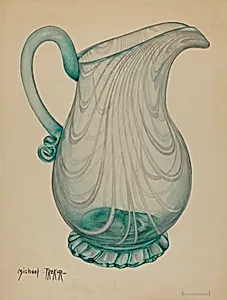
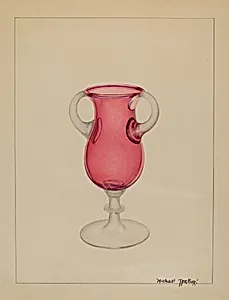
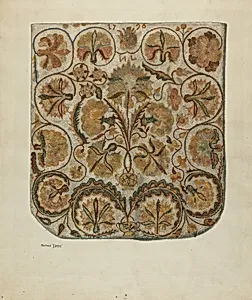
The artworks associated with Trekur nonetheless testify to a capable hand and suggest engagement with the visual conventions of his time and place. For those interested in his work, direct engagement with the objects themselves — their materials, technique, and imagery — remains the most productive avenue of inquiry, supplemented by the growing body of specialist scholarship that continues to refine our understanding of less-documented artists from the early modern period.