Ctrl K
1760–1801
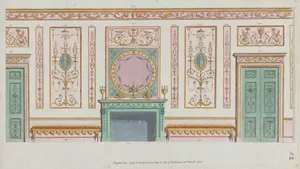
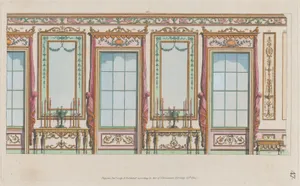
Michelangelo Pergolesi (1760–1801) was an Italian decorative artist, draughtsman, engraver, and designer whose career bridged Rome and London, profoundly influencing neoclassical interiors during the late 18th century. Little is known of his early life or formal training, with biographical details sparsely documented. Likely inspired by classical antiquity and the era's archaeological fervor, including Pompeii excavations, he was invited to England by architect Robert Adam following the latter's continental grand tour. Pergolesi arrived around 1777 and collaborated extensively with the Adam brothers—Robert and James—on lavish decorative schemes, including the interiors of Syon House for the Duke of Northumberland. His work encompassed furniture, mantelpieces, ceilings, chandeliers, doors, and mural ornaments in low-relief plaster, blending technical precision with artistic elegance.
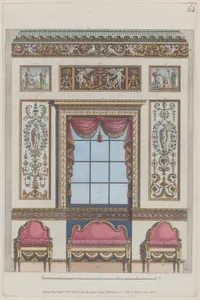
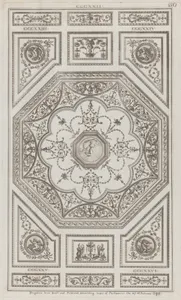
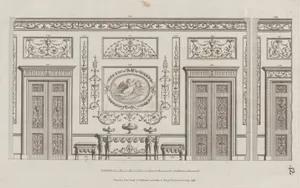
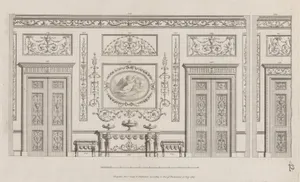
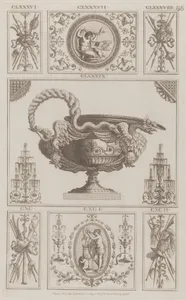
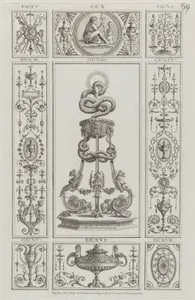
Pergolesi's style epitomized the Adam brothers' neoclassical aesthetic, infused with Etruscan and grotesque motifs drawn from ancient sources. He crafted intricate designs featuring urns, sphinxes, interlaced gryphons, playful amorini bearing bows and torches, trophies of musical instruments or martial arms, and flowing arabesques. Central panels on walls and ceilings often depicted classical pastoral scenes with nymphs and cupids, executed in a "disengaged and riant air" of classic grace. These were sometimes painted by collaborators like Giovanni Battista Cipriani, Angelica Kauffman, or Antonio Zucchi, or even by Pergolesi himself. In London, he also ran Pergolesi's Drawing Academy at 16 Broad Street, Golden Square, hosting student concerts as early as 1781, and produced patterns for silver plate that later bore the Adams' name.
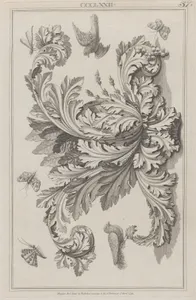
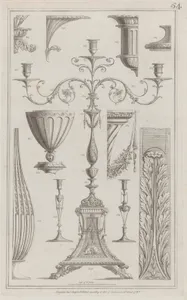
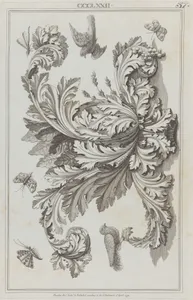
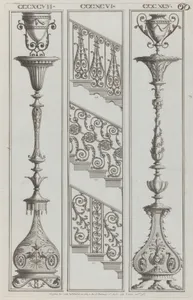
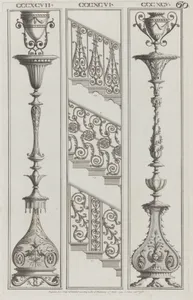
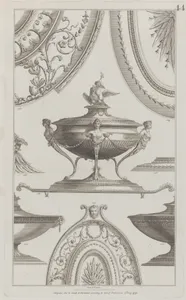
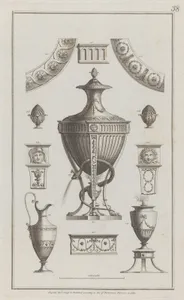
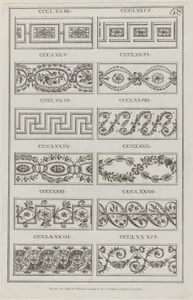
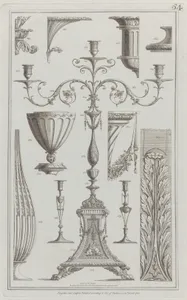
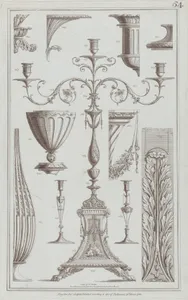
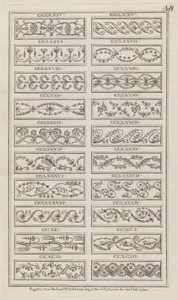
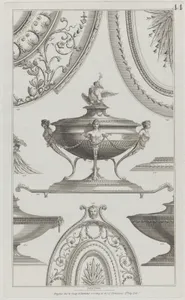
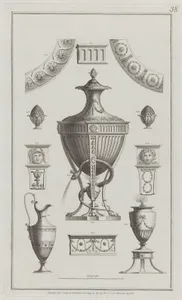
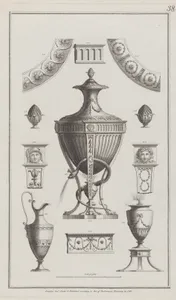
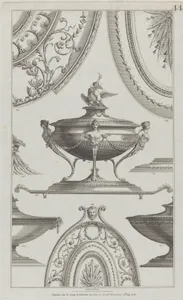
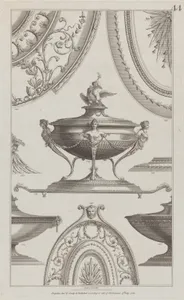
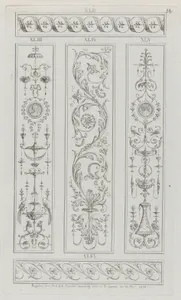
His seminal publication, *Designs for Various Ornaments* (also titled *Disegni per Vari Ornamenti*), comprised 70 engraved plates issued serially from 1777 to 1801 (or 1792 in some accounts), showcasing vases, figures, medallions, friezes, and more in the Etruscan and Greek manner—many etched by Francesco Bartolozzi after Cipriani. These designs fueled the satinwood furniture craze of the era's final quarter, with Pergolesi painting table-tops, china cabinets, and side-tables himself; motifs were replicated in marquetry and intarsia. Toward life's end, he appears to have returned to Italy.
Pergolesi's legacy endures in the dainty elegance of Adam-style interiors and furnishings, unmatched for their graceful fusion of antiquity and innovation. His patterns, widely reproduced, shaped silverwork and cabinetry across Europe and beyond, cementing his role in the neoclassical decorative revolution despite scant personal records.