Ctrl K
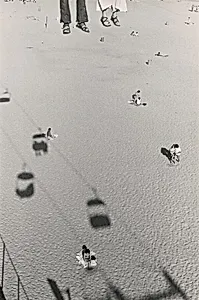
Mike Mandel, born in 1950 in Los Angeles and raised in the burgeoning San Fernando Valley amid freeways, billboards, and strip malls, drew early inspiration from this media-saturated landscape. He earned a BA in Philosophy from California State University, Northridge in 1972 before pursuing an MFA in Photography at the San Francisco Art Institute in 1974, where he met lifelong collaborator Larry Sultan. This training immersed Mandel in conceptual photography traditions, honing his knack for repurposing everyday images to probe deeper truths.
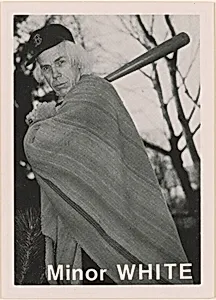
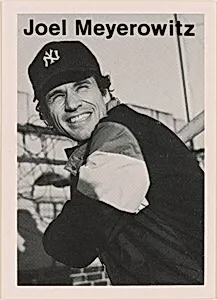
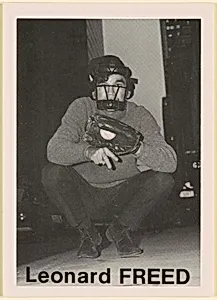
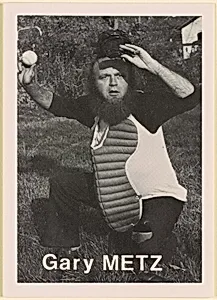
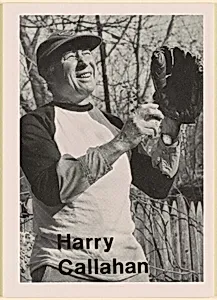
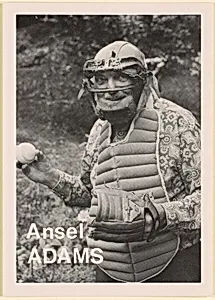
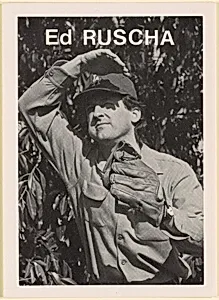
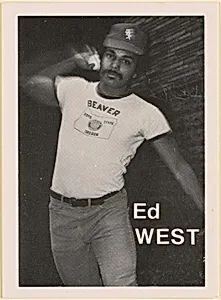
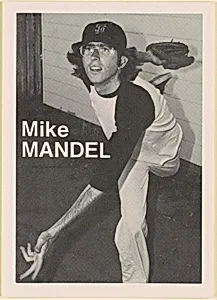
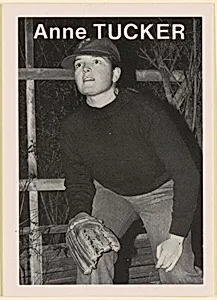
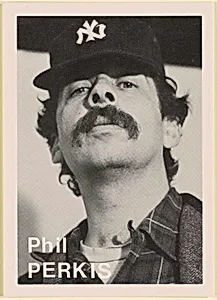
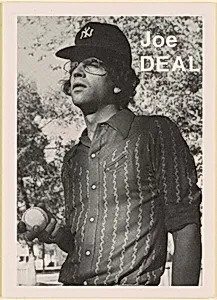
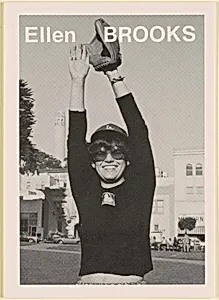
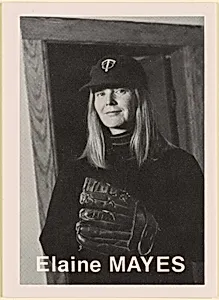
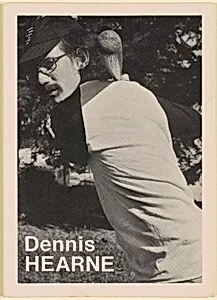
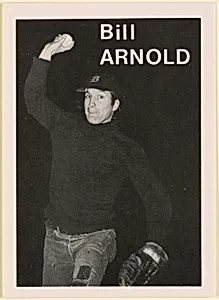
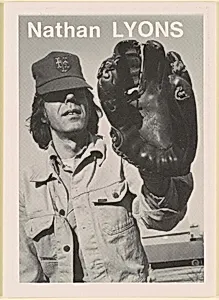
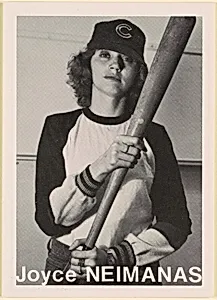
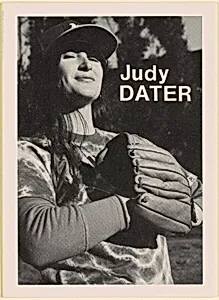
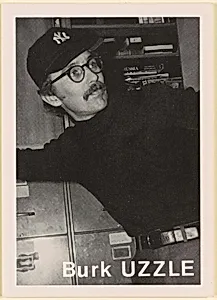
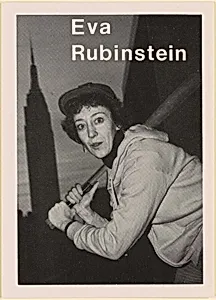
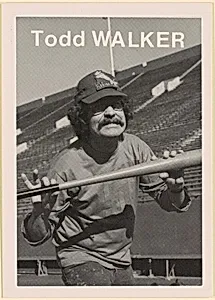
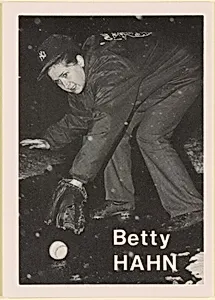
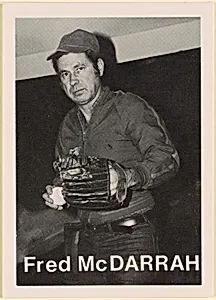
A pioneering conceptual artist, Mandel subverted photographic conventions by mining snapshots, ads, news photos, and archives to question imagery's role in popular culture—often with wry humor and surreal twists. His 1970s output defined this approach: *People in Cars* (1970) captured anonymous drivers in mundane turns; *Myself: Timed Exposures* (1971) featured self-portraits amid strangers via camera timer; *Baseball Photographer Trading Cards* (1975) humorously recast icons like Ansel Adams as ballplayers, complete with stats and gum; and *Evidence* (1977), co-created with Sultan, assembled enigmatic found photos from corporate and government files, evoking dystopian narratives and cementing its status as a landmark photobook. Their *Billboards* series (1973–1989) hijacked ad spaces with absurd appropriations like "Oranges On Fire."
In later decades, Mandel shifted to public art, producing over 30 large-scale mosaic murals in glass and ceramic tiles—often with Sultan, as in *Pool* (1993) and *Waiting* (1999)—transforming photographic imagery for civic spaces. Collaborations with his wife, Chantal Zakari, yielded politically charged books like *The Turk and the Jew* (1998), *The State of Ata* (2010), and *Lockdown Archive* (2015), blending archives with social commentary. Now teaching at the School of the Museum of Fine Arts at Tufts University, Mandel's legacy endures through self-published artists' books, solo shows like *Good 70s* at SFMOMA (2017), and holdings in institutions including MoMA, Tate Modern, LACMA, and the Art Institute of Chicago—affirming his enduring disruption of visual authority.