Ctrl K
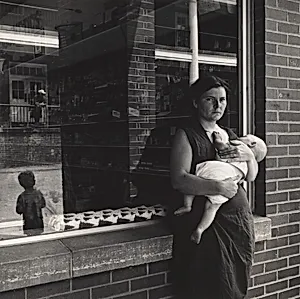
Milton Rogovin (1909–2011), an American social documentary photographer, was born in Brooklyn, New York, to Lithuanian Jewish immigrant parents amid the hardships of the Great Depression, which profoundly shaped his lifelong commitment to illuminating the dignity of working-class people. After attending Stuyvesant High School, he earned a B.S. in optometry from Columbia University in 1931 and later an M.A. in American Studies from the University at Buffalo in 1972. Self-taught in photography, Rogovin practiced optometry in Buffalo from 1939 until the mid-1970s, where his leftist activism—fueled by classes at the Communist Party-sponsored New York Workers School—led to a 1957 House Un-American Activities Committee hearing that branded him "Buffalo's Top Red" and damaged his business. He began photographing seriously in 1957, mentored technically by Minor White, who taught him darkroom techniques and shutter speed control during workshops and published his early work in *Aperture* magazine in 1962.
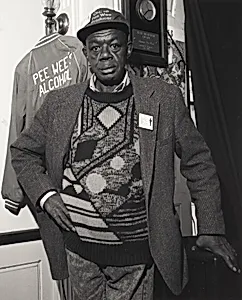
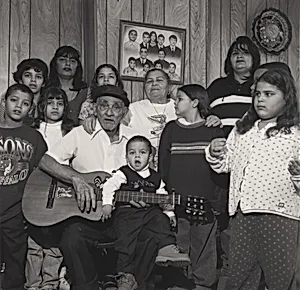
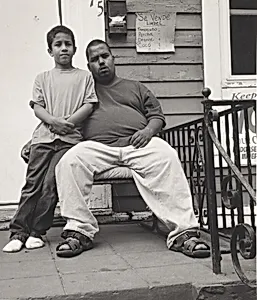
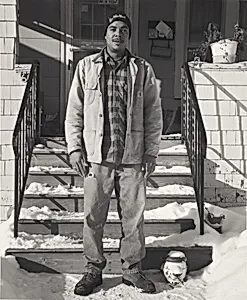
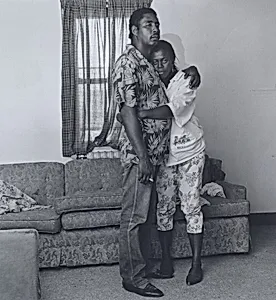
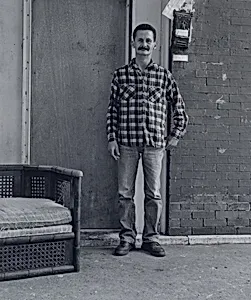
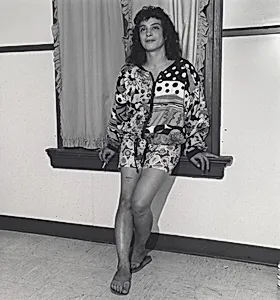
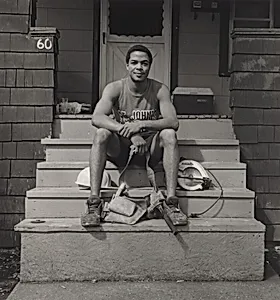
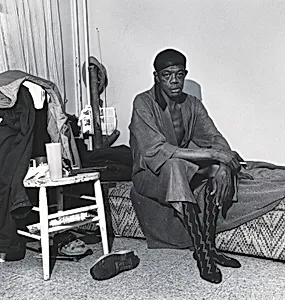
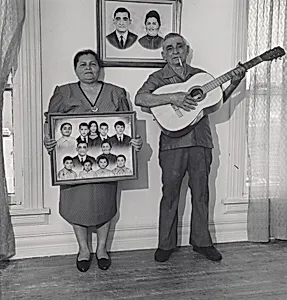
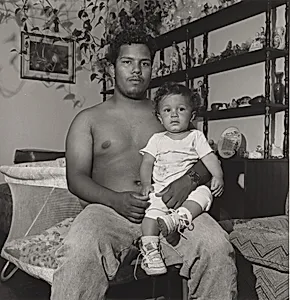
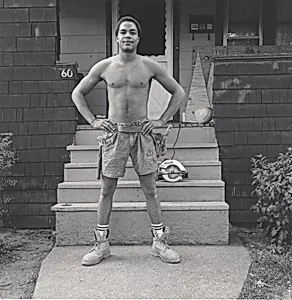
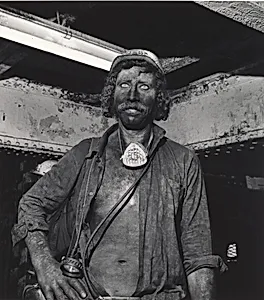
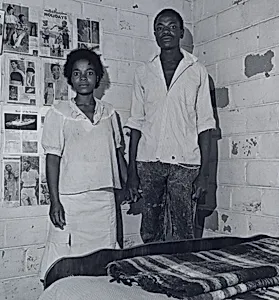
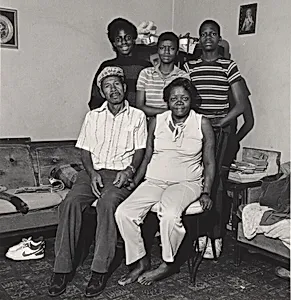
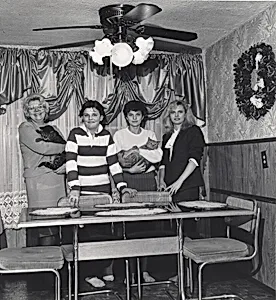
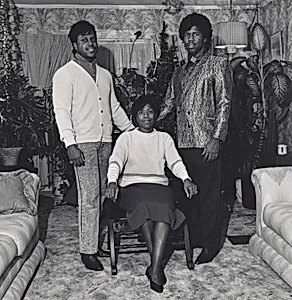
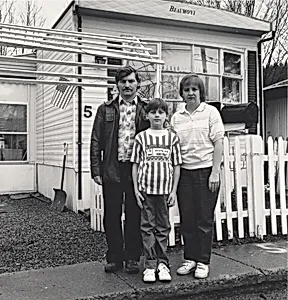
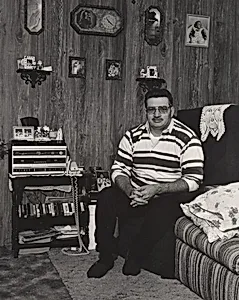
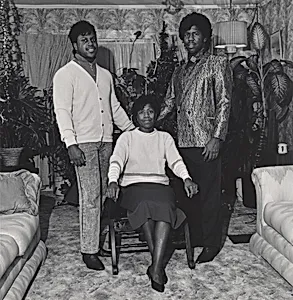
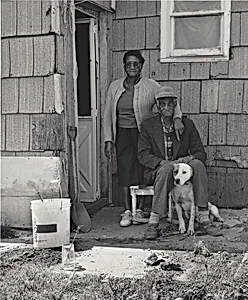
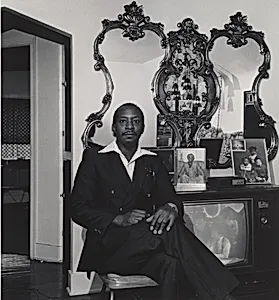
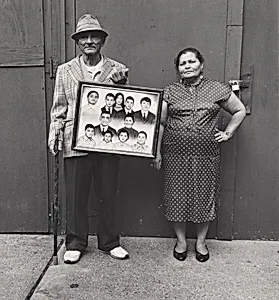
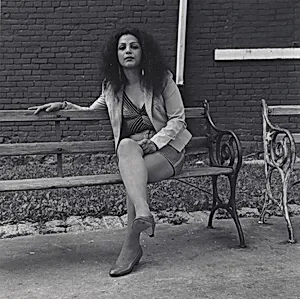
Rogovin's stark black-and-white images, captured with a Rolleiflex camera, embodied the social documentary tradition, echoing influences like Lewis Hine, Jacob Riis, Dorothea Lange, Walker Evans, and Käthe Kollwitz, while emphasizing unposed portraits that revealed the humanity of "the Forgotten Ones." His breakthrough series, *Storefront Churches* (1958–1961), documented Buffalo's African American congregations. He then produced iconic projects like *Lower West Side* (1972–2002), featuring triptychs revisiting immigrant and working-class families over three decades; *Working People* and *Portraits in Steel* (1977–1980), diptychs of Buffalo steelworkers at home and on the job; the international *Family of Miners* (1981–1990), spanning Appalachia, Scotland, China, Cuba, and more; Appalachia (1962–1987); and Native American communities (1963–2002).
Married to collaborator Anne Snetsky since 1942 until her death in 2003, Rogovin raised daughters Ellen and Paula and son Mark while she supported their travels as a special education teacher and co-organizer. Recipient of the 1983 W. Eugene Smith Memorial Fund Award, he authored eleven books, including *Triptychs: Buffalo's Lower West Side Revisited* (1994) and *The Mining Photographs* (2005), with works in major collections like the Library of Congress, J. Paul Getty Museum, and Burchfield Penney Art Center (holding 1,113 prints). Rogovin's unflinching yet compassionate lens endures as a testament to the resilience of ordinary lives, securing his place among America's preeminent chroniclers of social justice.