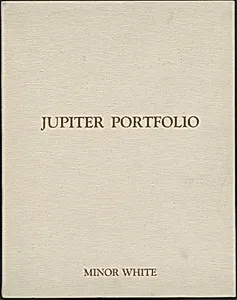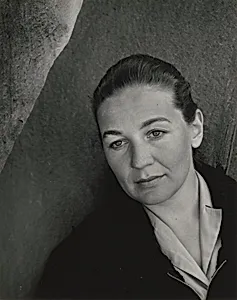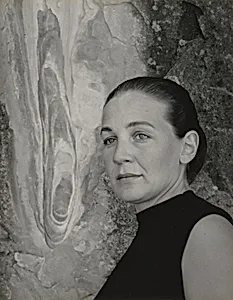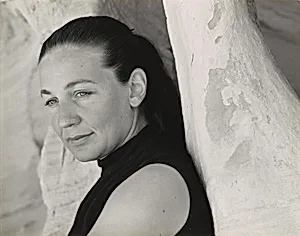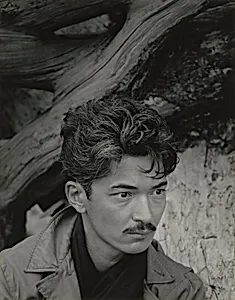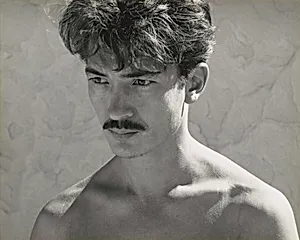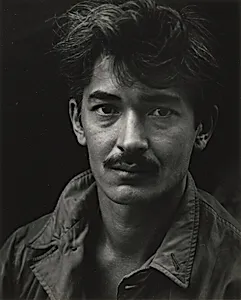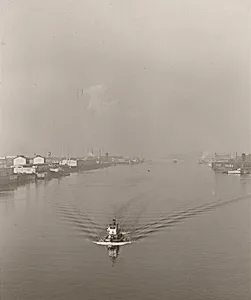
Minor White (1908–1976) was an American photographer, editor, and educator who became one of the most influential figures in postwar American art photography. Born in Minneapolis, Minnesota, he studied botany and English at the University of Minnesota before turning to photography in the late 1930s, working for the WPA and the Portland Art Museum.
After serving in World War II, White studied at Columbia University and met Alfred Stieglitz, whose concept of the "equivalent" — a photograph that functions as a metaphor for inner emotional states — became the philosophical foundation of White's artistic practice. He also studied with Edward Weston and was profoundly influenced by Zen Buddhism, Gestalt psychology, and the mystical teachings of G.I. Gurdjieff.
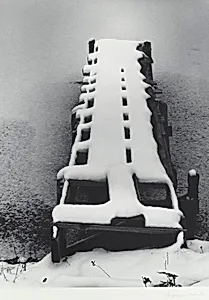
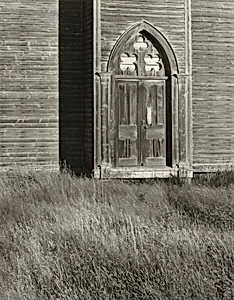
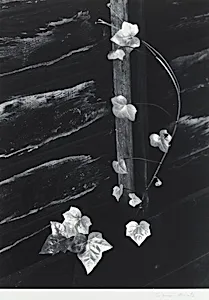
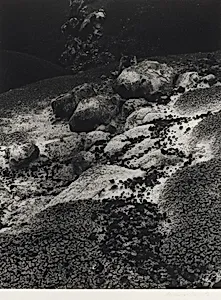
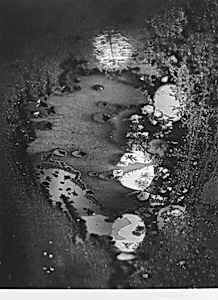
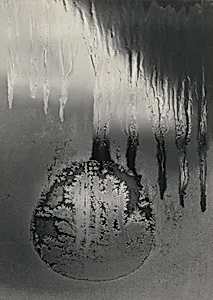
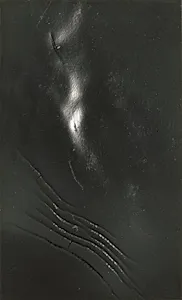
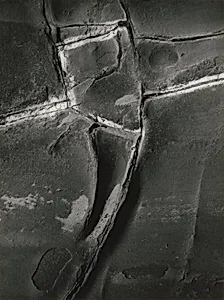
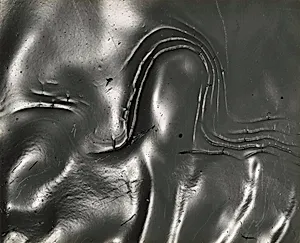
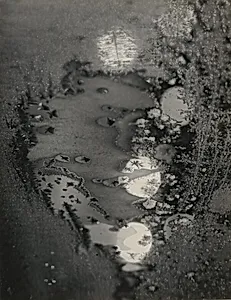
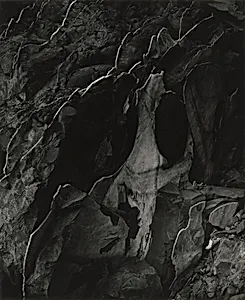
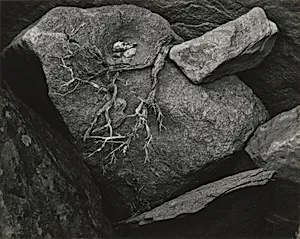
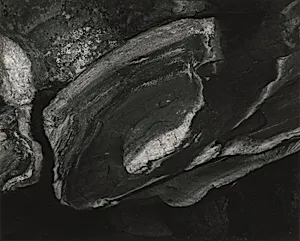
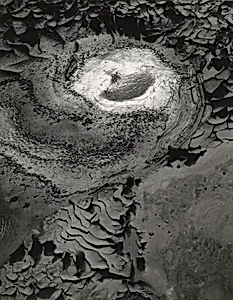
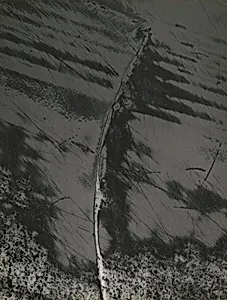
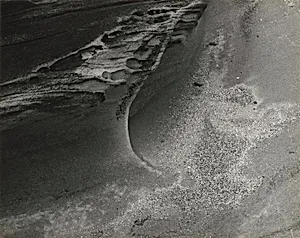
White co-founded Aperture magazine in 1952 with Ansel Adams, Dorothea Lange, and others, serving as its editor for over two decades. Through Aperture and his teaching positions at the Rochester Institute of Technology and MIT, he shaped the development of American art photography as both a critical discourse and a contemplative practice. His own photographs — often of landscapes, rock formations, and natural details — sought to reveal spiritual dimensions within physical reality.
White's concept of "reading" photographs as vehicles for inner experience, rather than merely as documents or formal compositions, profoundly influenced subsequent generations of photographers and photographic educators. His work is held by the Princeton University Art Museum (which houses his archive), the Museum of Modern Art, the San Francisco Museum of Modern Art, and the George Eastman Museum.