Ctrl K
1731–1800
Occupations
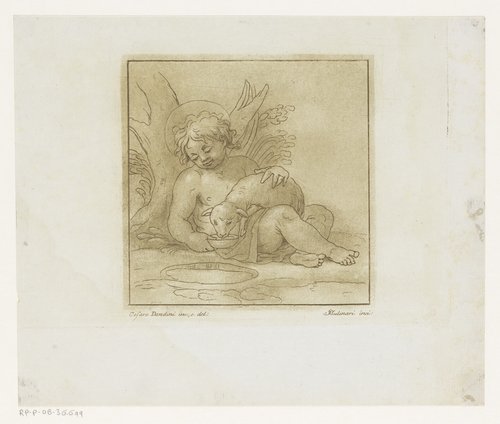
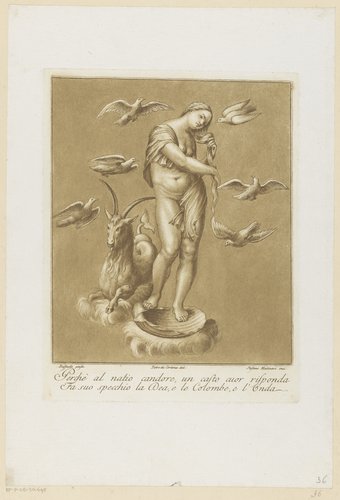
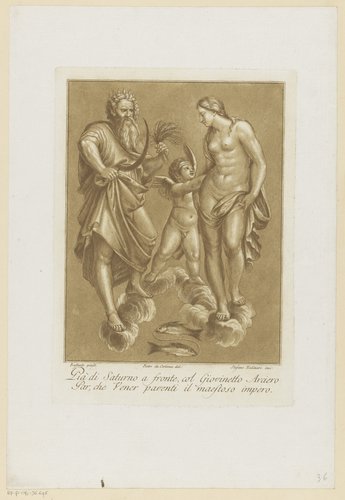
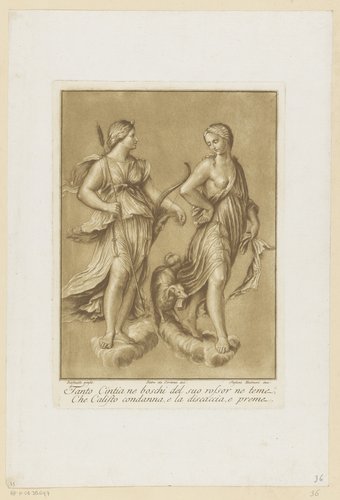
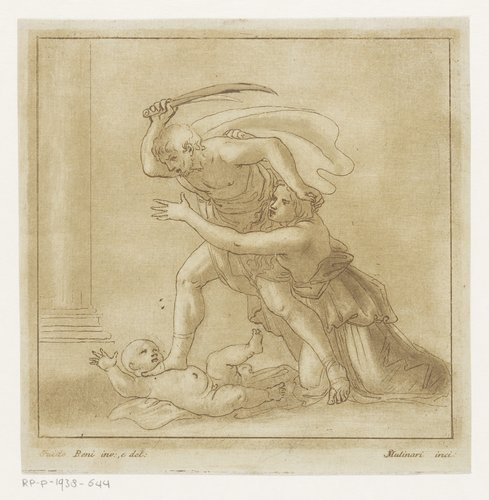
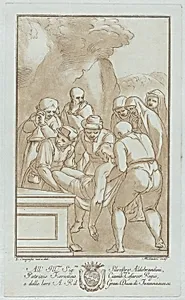
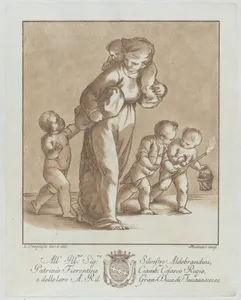
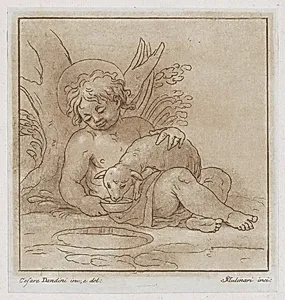
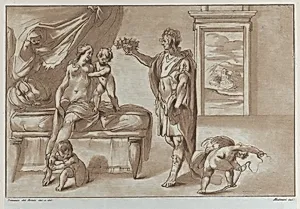
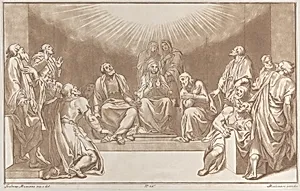
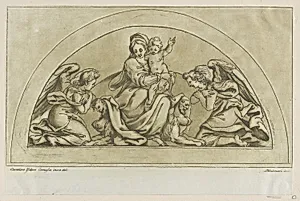
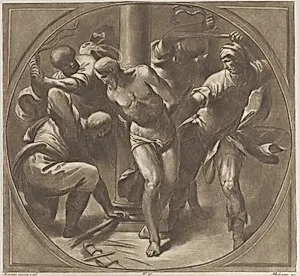
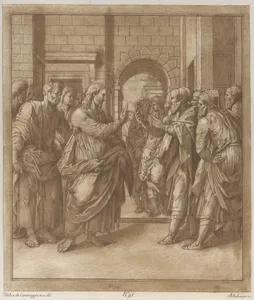
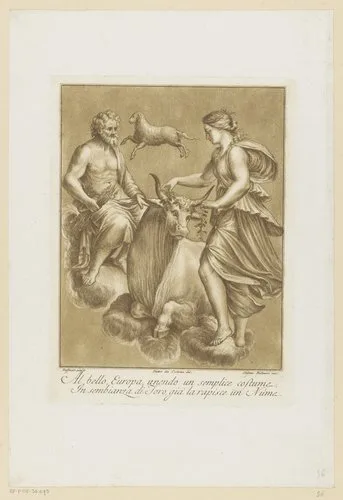
Stefano Mulinari (ca. 1741–1790) was an Italian engraver from Florence who ranks among the greatest reproduction engravers of the second half of the 18th century. Born around 1741, Mulinari became a pupil of Andrea Scacciati, under whose guidance he developed exceptional technical skill in translating drawings and paintings into engraved form. His career focused on making his reputation through reproductions of drawings by Italy's great Renaissance and Baroque masters, creating prints that served both artistic and educational purposes. Mulinari's most important collaborative project with Scacciati was engraving the hundred prints for "Disegni originali d'eccellenti Pittori esistenti nella R. Galleria di Firenze" (Original Drawings of Excellent Painters in the Royal Gallery of Florence), published between 1766 and 1774. This ambitious undertaking documented Florence's extraordinary collection of master drawings, making them accessible to artists, connoisseurs, and scholars throughout Europe. The project demonstrated Mulinari's ability to capture the essence of works by artists ranging from different schools and periods. In 1775, Mulinari published "Istoria pratica dell'incominciamento e progressi della pittura," followed by his significant "Saggio delle cinque scuole di pittura italiana" (Essay on the Five Schools of Italian Painting) dating to 1780. This latter work featured reproductions of drawings and paintings by Raphael, Annibale Carracci, Guercino, and Ribera, representing the major Italian artistic traditions. His final major work, "Raccolta di venti disegni originali d'eccellenti pittori" (Collection of Twenty Original Drawings by Excellent Painters), was published in Florence in 1782. Mulinari's technique distinguished itself through the use of etching combined with lavis (wash), allowing pictorial effects similar to watercolor and capturing the tonal subtleties of original drawings. His works are held in major collections including the Metropolitan Museum of Art and the Royal Collection Trust. Stefano Mulinari died around 1790.
Worked as reproductive engraver in Florence, creating major series documenting Italian master drawings. Developed distinctive technique combining etching with lavis for watercolor-like effects.
Artheon Research Team
Last updated: 2025-11-09
Biography length: ~455 words
Wikidata (CC0); Getty ULAN (ODC-By)