Ctrl K
1916–1995
Nancy Crimi (1916–unknown) was an American artist born in Italy and raised as a U.S. citizen, best known for her meticulous contributions to the Index of American Design, a Federal Art Project under the Works Progress Administration (WPA). Active primarily in the late 1930s and early 1940s, Crimi documented everyday American objects, crafts, and costumes through detailed illustrations, capturing the essence of the nation's material culture during the Great Depression era. Little is known about her early life or formal training, which remain sparsely documented, but her involvement in this ambitious New Deal initiative highlights her skill in rendering historical textiles and garments with photographic precision.
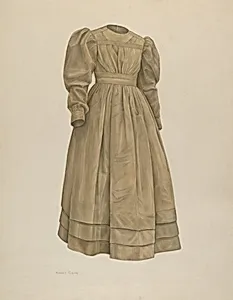
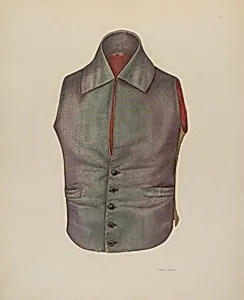
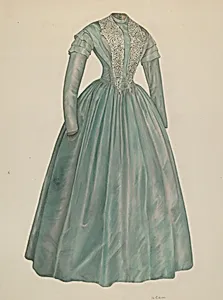
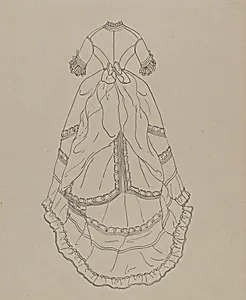
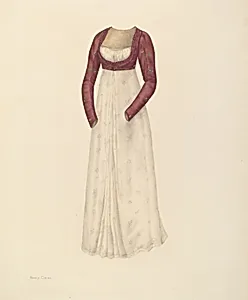
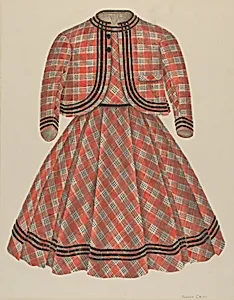
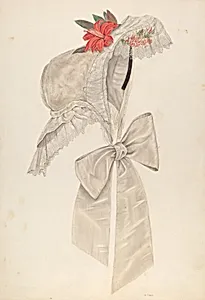
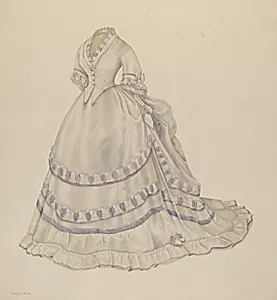
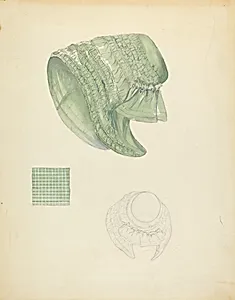
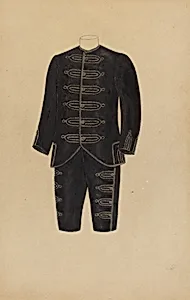
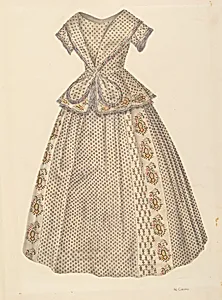
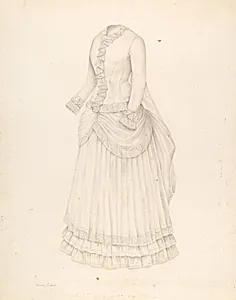
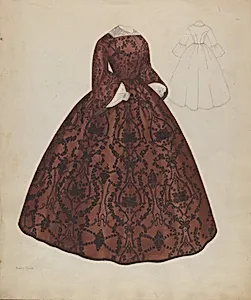
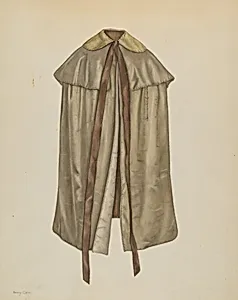
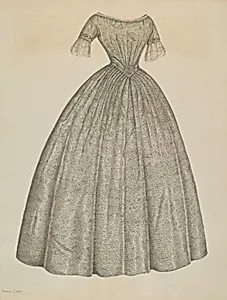
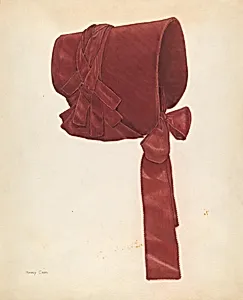
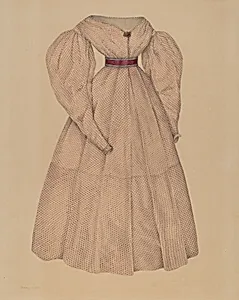
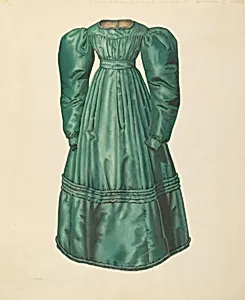
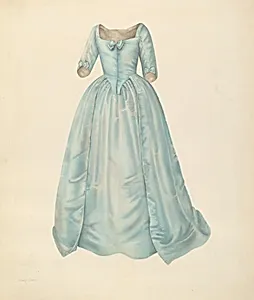
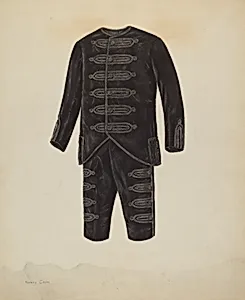
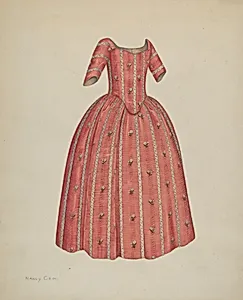
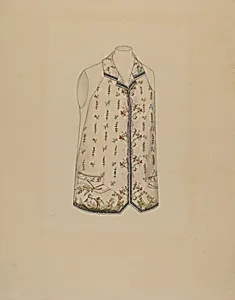
Crimi worked in the tradition of the Index of American Design, employing watercolor, graphite, and occasionally gouache on paperboard to create vibrant yet accurate depictions of folk art and design elements. Her style emphasized fine details in fabric textures, patterns, and construction techniques, serving not as fine art but as scholarly records to preserve vanishing aspects of American heritage—from colonial-era clothing to 19th-century children's wear. This documentary approach aligned with the WPA's goal of employing artists while promoting cultural nationalism, and Crimi often collaborated with peers like Charles Mannino on Boy's Suit (c. 1941) and Alvin Shiren on Vest (c. 1940).
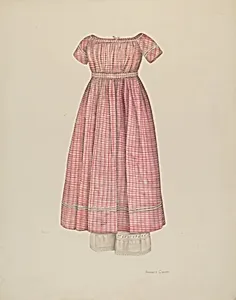
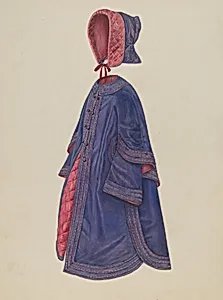
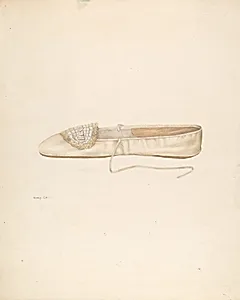
Among her major works preserved in the National Gallery of Art's collection of nearly 90 pieces are Girl's Dress with Pantaloons (c. 1941), Afternoon Dress (c. 1940), and multiple bonnets and coats from around 1940, alongside earlier efforts like Poke Bonnet (c. 1938) and Slipper (c. 1936). These watercolors vividly reconstruct garments' silhouettes, trims, and stitches, offering invaluable insights into domestic fashion and craftsmanship.
Crimi's legacy endures through the Index's vast archive, which influenced postwar art history and design studies by democratizing access to America's vernacular aesthetics. Her precise renderings continue to educate on the interplay of utility, tradition, and artistry in everyday objects, reminding us how WPA artists like her bridged economic relief with cultural preservation.