Ctrl K

1882–1966
Narcissa Niblack Thorne (1882–1966) was born on May 2 in Vincennes, Indiana, the eldest child of William Niblack and Frances Caldwell Niblack. Her family relocated to Chicago during her childhood, where she received a patchwork education: homeschooled by a governess, public schooling from age eleven, private classes, and finishing at the elite Kenwood Institute in Hyde Park. Extensive family travels to Europe and the East Coast broadened her horizons. In 1901, at age 19, she married childhood sweetheart James Ward Thorne, heir to the Montgomery Ward fortune; they had two sons, Ward and Niblack. Her early fascination with miniatures stemmed from trinkets sent by her uncle, Rear Admiral Albert Parker Niblack, and childhood dollhouses, though her formal artistic training remains sparsely documented.
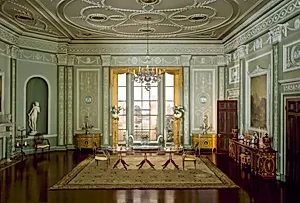
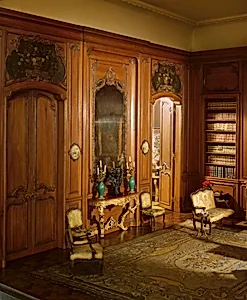
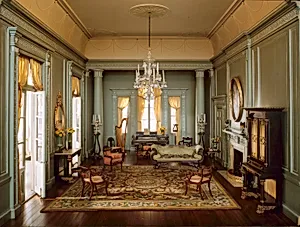
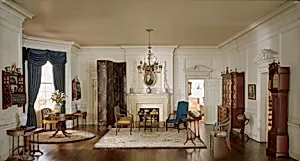
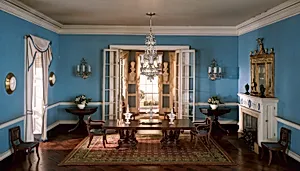
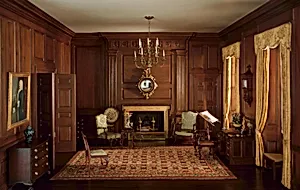
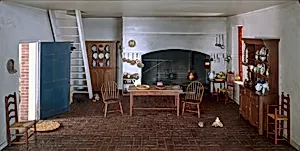
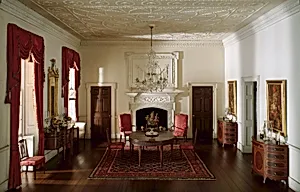
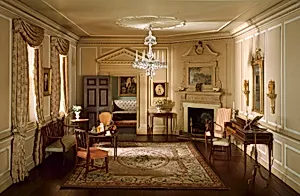
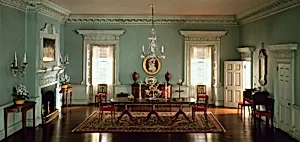
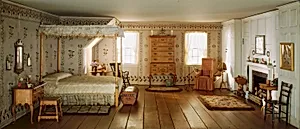
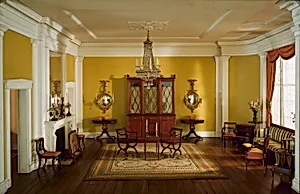
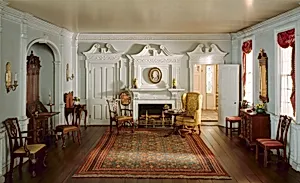
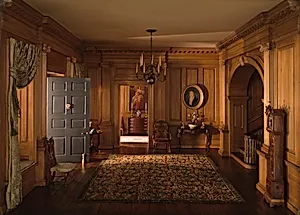
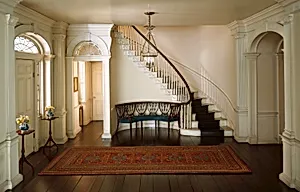
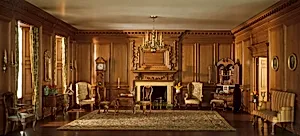
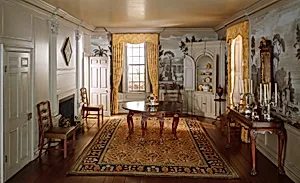
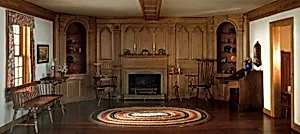
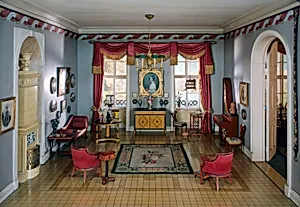
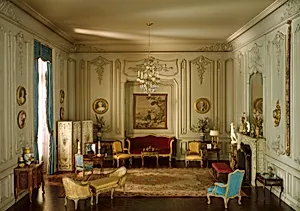
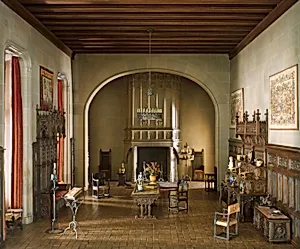
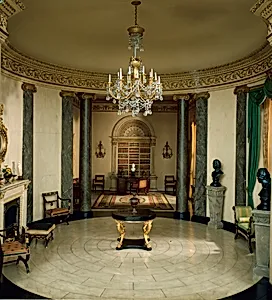
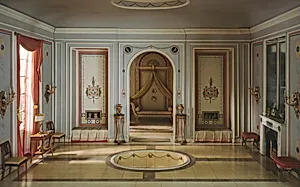
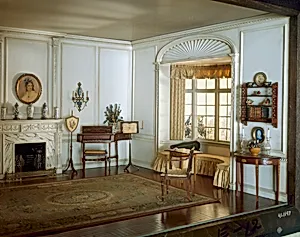
Thorne's masterpieces, the Thorne Miniature Rooms, emerged in the 1930s amid the Great Depression. Self-directed and financed by her husband's wealth, she designed over 100 intricate 1:12-scale interiors (one inch to one foot) depicting historical European, American, and Asian rooms from the late 13th to early 20th centuries. Drawing from global travels, museum period rooms like Queen Mary's Dollhouse, and publications on architecture and decor, Thorne sketched blueprints and directed a team of unemployed master craftsmen—including studios like Francis W. Kramer and artisans Eugene J. Kupjack and Alfons Weber—to achieve astonishing realism. These works blended fantasy with pedagogical precision, serving as visual histories of interior design and sophisticated taste.
Highlights include the English Dining Room of the Georgian Period (1937), a Windsor Castle library replica (1936) displayed at the Victoria and Albert Museum, the Gothic English Roman Catholic Church (c. 1937) at the Art Institute of Chicago (AIC), and the opulent French Salon of the Louis XVI Period (c. 1780), inspired by Versailles' Petit Trianon. Debuting publicly at Chicago's Century of Progress Exposition (1933) and the 1940 New York World's Fair, the rooms captivated audiences.
Thorne's legacy endures through strategic donations: 68 rooms to the AIC (where they occupy a dedicated lower-level gallery, supported by her 1954 maintenance fund), 20 to the Phoenix Art Museum, nine to the Knoxville Museum of Art, and others to institutions like the Children's Museum of Indianapolis. These enchanting vignettes not only preserve design history but also reflect Thorne's philanthropic spirit, employing artisans during hard times and inspiring generations to marvel at miniature worlds.