Ctrl K
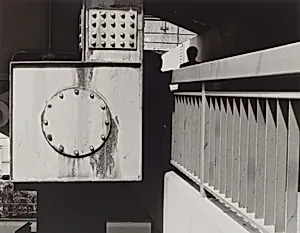
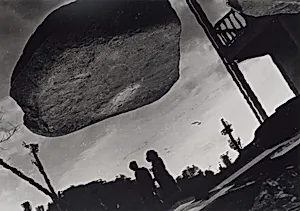
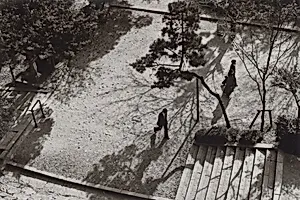
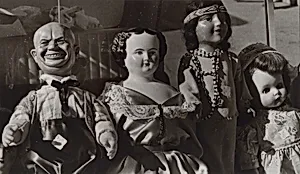
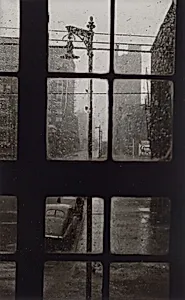
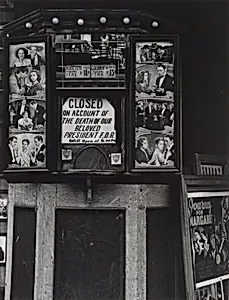
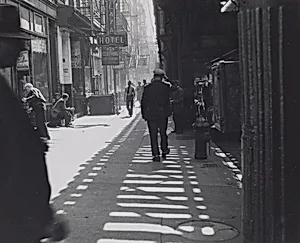
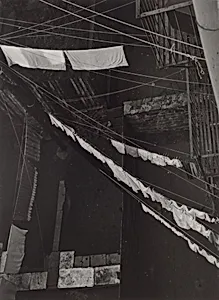
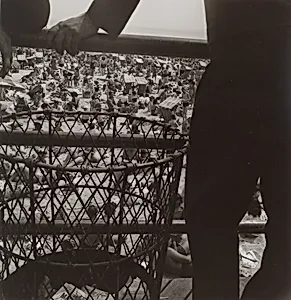
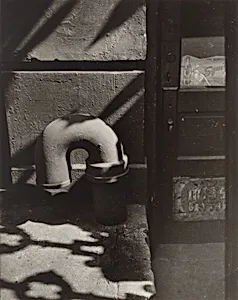
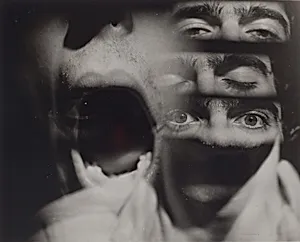
Nathan Lerner (1913–1997), born in Chicago as the second of three sons to Ukrainian immigrants Louis and Ida Lerner, grew up in an artistic family—his older brother was a writer, his younger a flutist with the Pittsburgh Symphony, his mother later painted watercolors, and his father became a temple cantor. At age nine, he attended Saturday children's art classes at the Art Institute of Chicago under Dudley Crott Watson. He studied at the National Academy of Art in 1931, painting at the School of the Art Institute under Louis Rittman in 1933, and with post-impressionist Samuel Ostrofsky from 1935 to 1937. Lerner began photography in 1932 with works like *Girl With Two Faces* and documented the Great Depression, notably his renowned Maxwell Street series (1935–1938), capturing Chicago's vibrant immigrant markets.
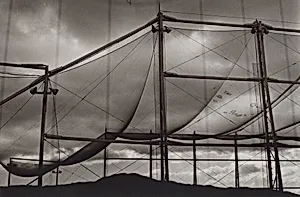
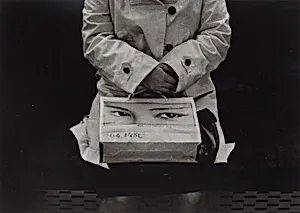
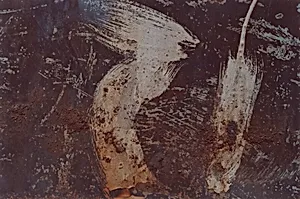
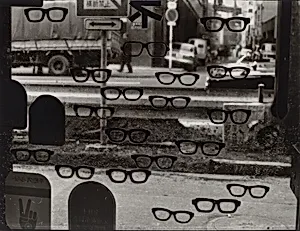
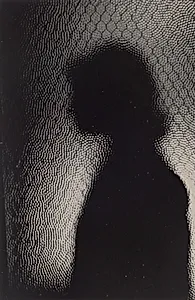
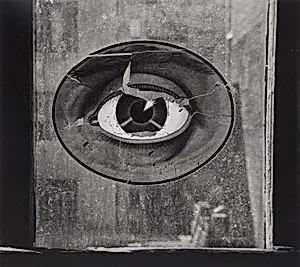
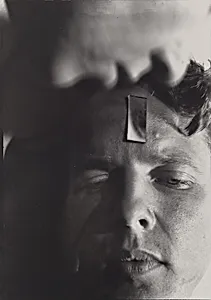
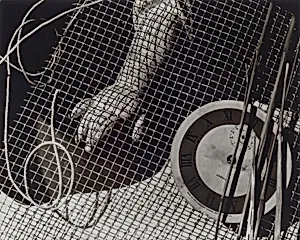
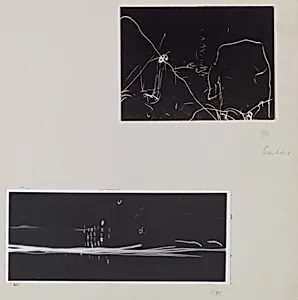
In 1937, sculptor Alexander Archipenko recommended the New Bauhaus to Lerner, who received a scholarship from László Moholy-Nagy and studied there under Moholy-Nagy, Gyorgy Kepes, and Henry Holmes Smith. Immersed in the Bauhaus tradition, Lerner pioneered experimental techniques: luminous projections, cliché-verre, solarizations, and his invention of the light box for abstract light studies, praised by Moholy-Nagy and Walter Gropius. He taught photo workshops from 1940, co-authored *The Creative Use of Light* (1941) with Kepes, and directed the light workshop in 1942. Key works include *Eye and Strings* (1939), *Eye on a Window* (1943), *Light Volume* (1937), and *Paper on String* (1938). With Charles Niedringhaus, he developed a plywood-bending machine for School of Design furniture.
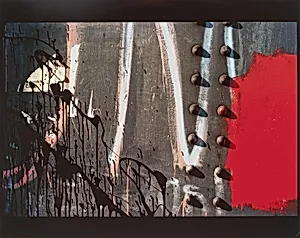
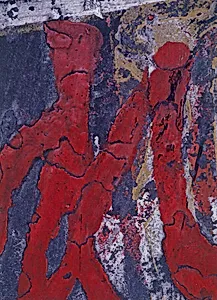
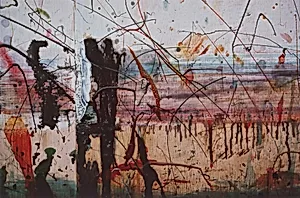
Returning in 1945 as dean of faculty and head of product design at the renamed Institute of Design (later IIT), Lerner became educational director after Moholy-Nagy's death in 1946, leaving in 1949 amid its IIT merger. He founded Lerner Design Associates, creating iconic industrial designs like the bear-shaped honey bottle and thermo-formed plastics. In 1968, he married Japanese pianist Kiyoko Asai, sparking color photography during Japan trips from 1971, exhibited in Tokyo, Chicago, and beyond. Lerner's legacy endures as a bridge for Bauhaus principles to America, blending documentary grit with abstract innovation in photography and design; his light box remains a staple in art education, and his 92 works in collections affirm his profound influence on Chicago's visual culture.