
Ctrl K
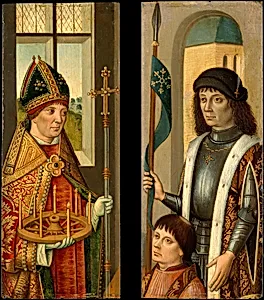
**The Netherlandish (Bruges) Painter** is the designation used by art historians, particularly at The Metropolitan Museum of Art, for an unidentified artist active in Bruges during the late fifteenth century. This anonymous figure belongs to the vibrant tradition of Early Netherlandish painting, centered in the prosperous trading city of Bruges under Burgundian patronage. Working in the decades following the innovations of Jan van Eyck, the painter exemplifies the skilled but often unattributed craftsmen who sustained the region’s flourishing art market through devotional panels and altarpieces.
Stylistically, the artist worked within the North Netherlandish (Bruges) school, employing the meticulous oil technique perfected in Flanders. Compositions feature rich detail, luminous color, and a focus on religious narrative, reflecting both local Bruges processional traditions and broader Northern Renaissance interests in realism and symbolism. Workshop practices of the period allowed such painters to produce high-quality works for private devotion and export, often blending influences from Utrecht illuminators and Bruges masters like Gerard David.
Among the known works attributed to this hand is *Christ Bearing the Cross* (ca. 1470), an oil-on-wood panel now in The Met’s collection. The painting depicts the dramatic procession with careful attention to architectural and figural detail, characteristic of Bruges production around 1470. Another panel, *Saint Victor Presenting a Donor* (paired with *Saint Donatian*), further illustrates the artist’s engagement with donor portraiture and saintly intercession, common in Flemish religious art of the era.
Though the individual remains nameless, this painter’s output enriches our understanding of Bruges as a hub of artistic production in the fifteenth century. The works attributed to the Netherlandish (Bruges) Painter demonstrate the high technical standards and devotional purpose that defined Early Netherlandish painting, ensuring its enduring influence on later Northern European art.