Ctrl K
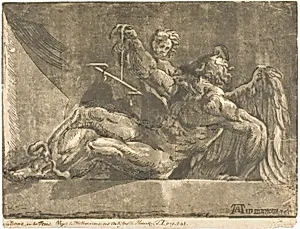
1540–1550
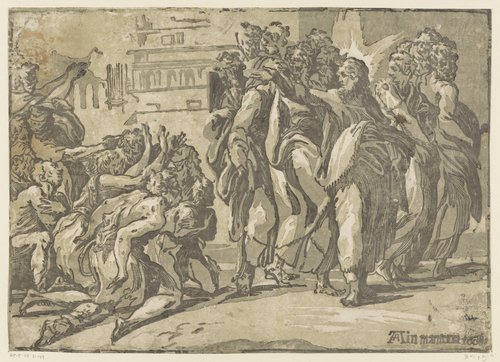
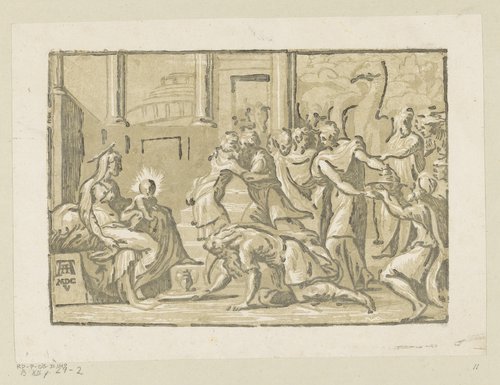
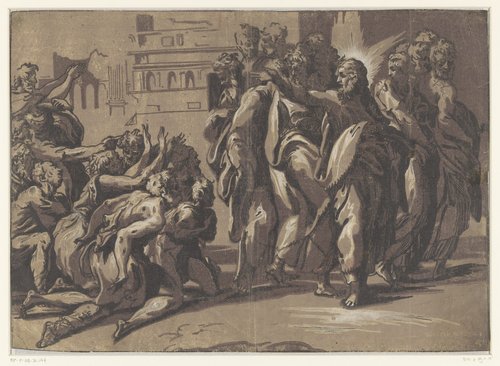
**Niccolò Vicentino (also known as Giuseppe Niccolò Rospigliosi or Rossigliani, called Vicentino)** was an Italian Renaissance painter and wood-engraver active primarily in the mid-16th century. Born in Vicenza around 1525, he worked in Bologna circa 1550. He specialized in the demanding technique of chiaroscuro woodcuts, which use multiple blocks to create tonal effects of light and shadow.
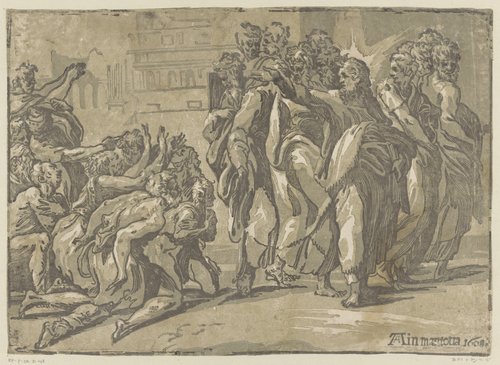
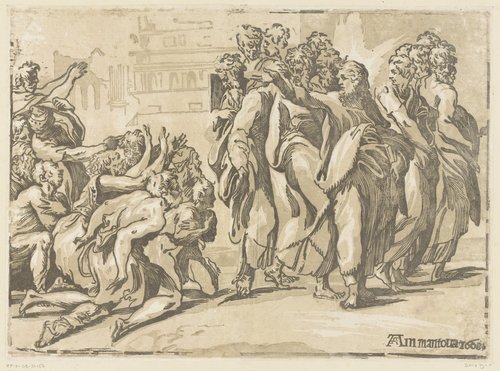
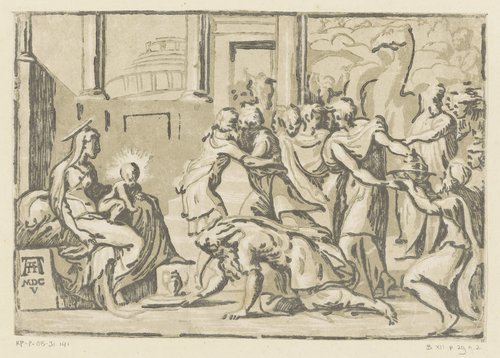
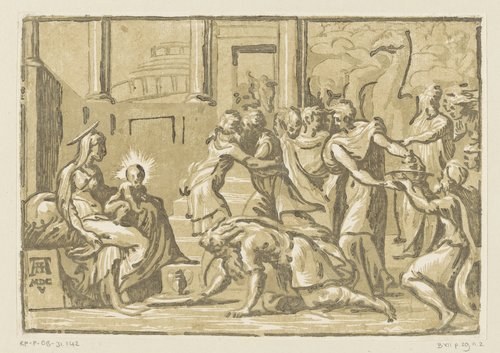
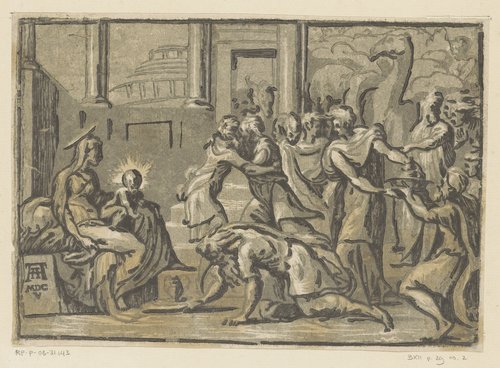
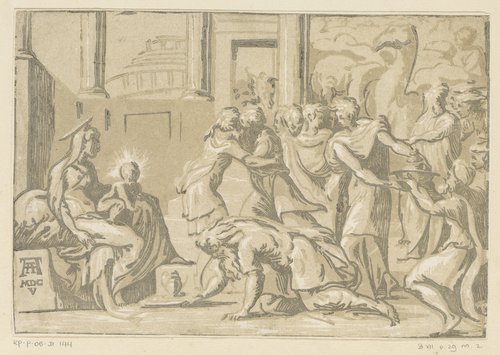
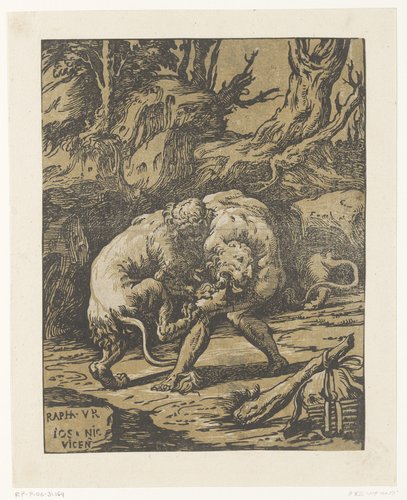
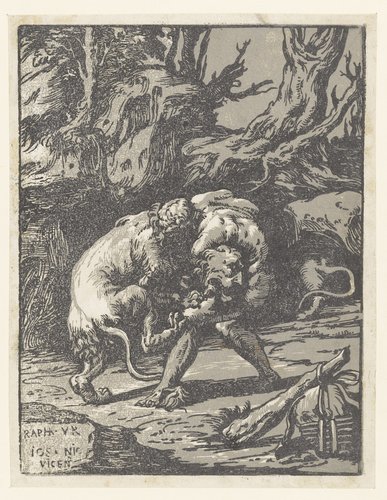
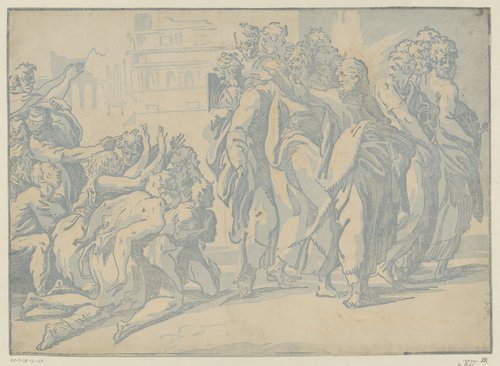
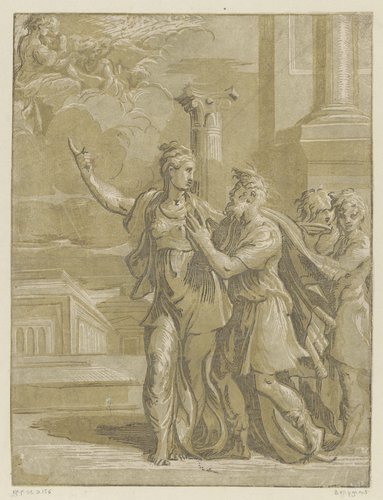
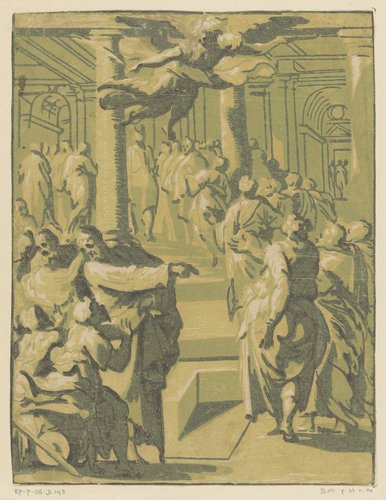
He worked as a follower of Ugo da Carpi, the pioneering master of the medium. Vicentino advanced the process by typically employing three blocks (and occasionally more) to achieve nuanced gradations of tone. His prints often reproduced designs by leading artists of the period, demonstrating both technical skill and a keen eye for composition. Though biographical details remain limited—no extensive contemporary documents survive—he signed only five known chiaroscuro woodcuts, all undated.
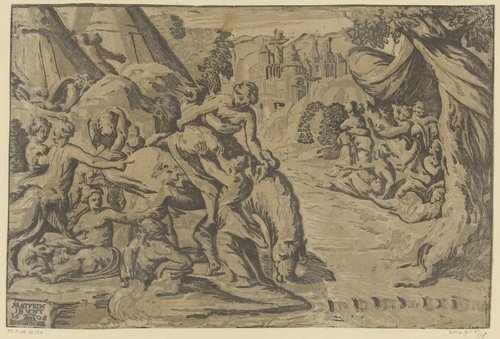
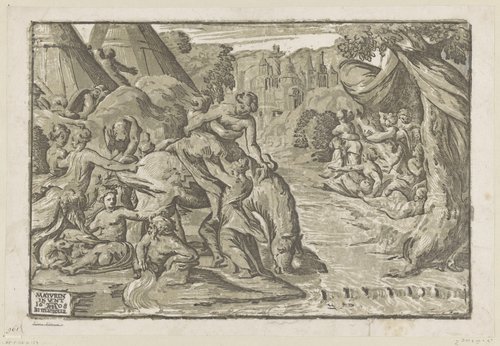
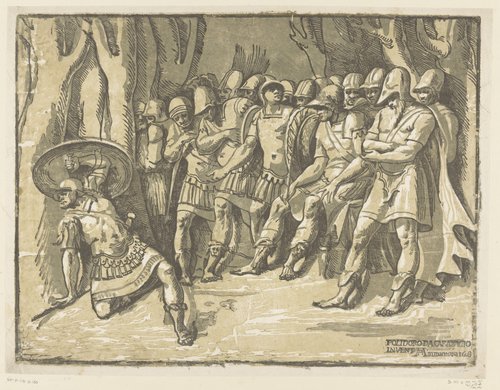
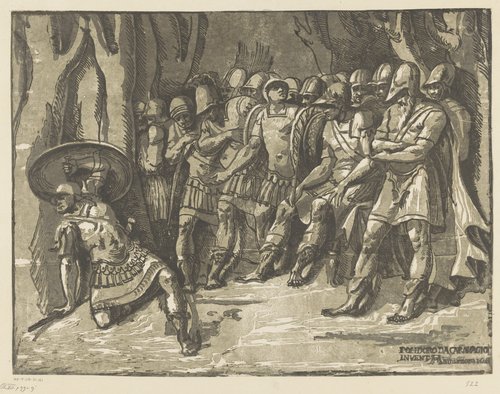
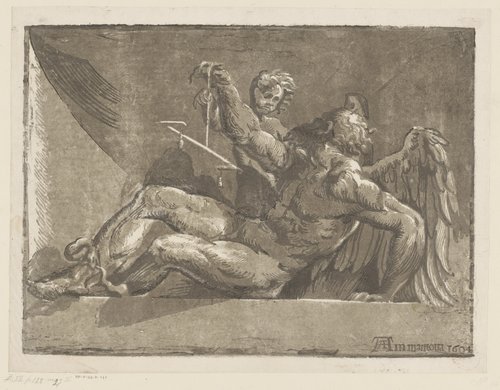
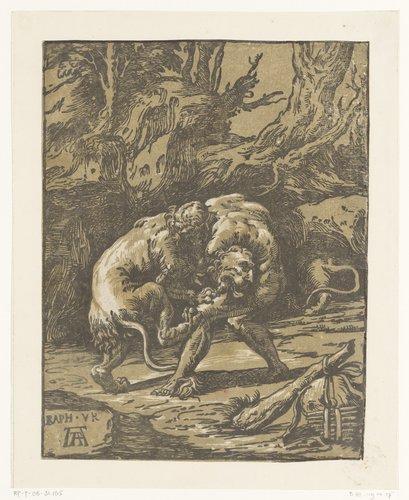
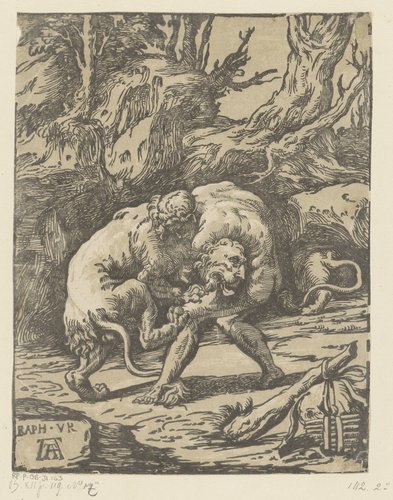
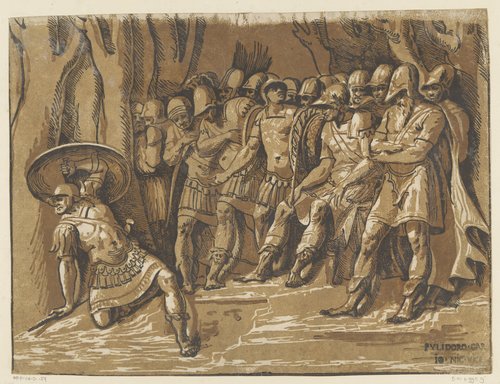
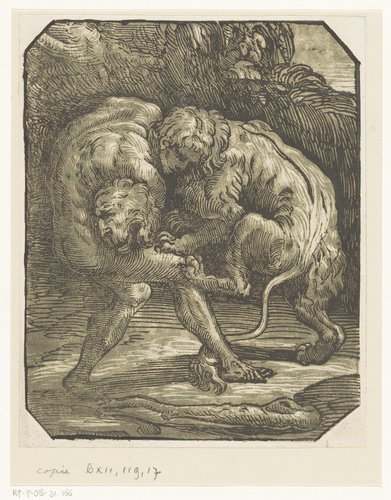
Among his notable works are *Saturn*, *A Sibyl Reading a Book*, *Hercules Killing the Nemean Lion* after Raphael, *Death of Ajax* after Polidoro da Caravaggio, *Venus Embracing Cupid*, and *Clelia Escaping from Porsenna’s Camp*. These prints highlight his ability to translate complex figural scenes into the chiaroscuro medium with dramatic effect. His output contributed significantly to the popularity and refinement of multi-block woodcut printing in Renaissance Italy.
Vicentino’s legacy endures through the substantial body of his prints preserved in major collections, including 75 works in this museum’s holdings. His innovations helped elevate chiaroscuro woodcuts from experimental novelty to a respected artistic form, influencing subsequent generations of printmakers and ensuring that the tonal richness of Renaissance drawing could reach a wider audience through reproducible media.