Ctrl K
1478–1544
Nicolò Zoppino was an Italian printer and publisher active in Venice and other Italian cities during the first half of the sixteenth century, occupying an important place in the history of early printing and book illustration. Born around 1478, he worked during the golden age of Venetian printing, a period when the city was the dominant center of book production in Europe and publishers competed to produce volumes that were both commercially successful and visually distinguished. Zoppino's career as a publisher brought him into contact with some of the most significant literary and visual projects of the Italian Renaissance.
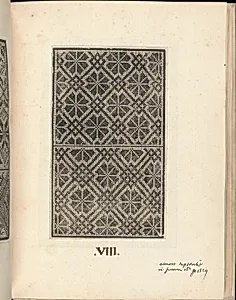
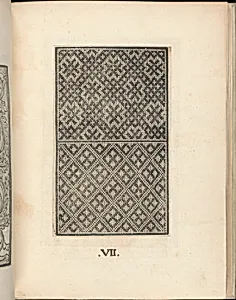
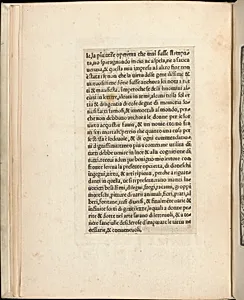
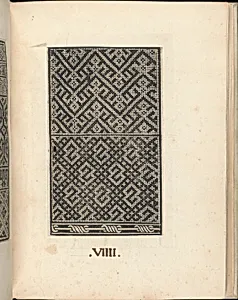
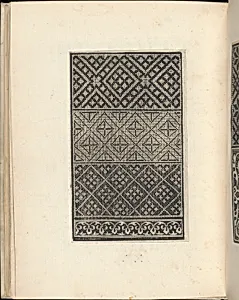
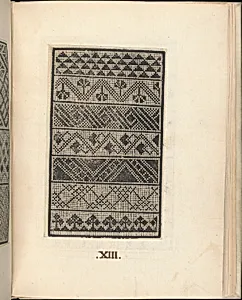
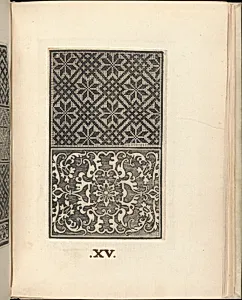
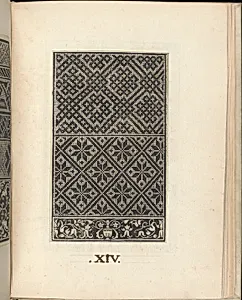
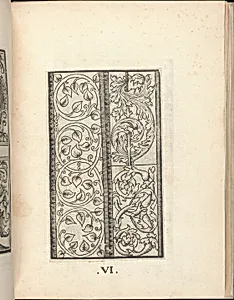
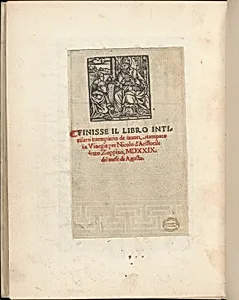
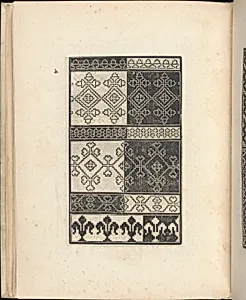
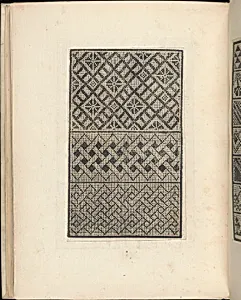
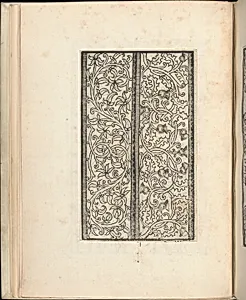
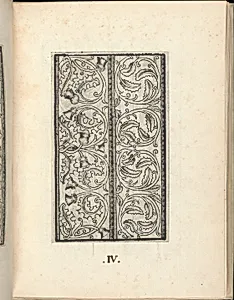
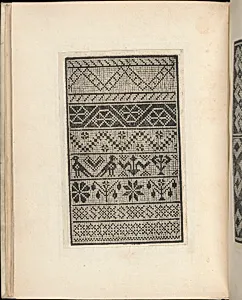
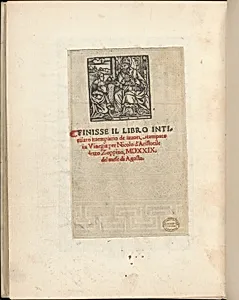
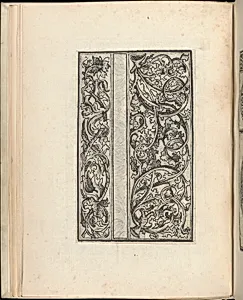
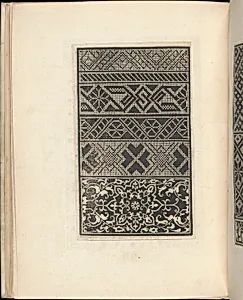
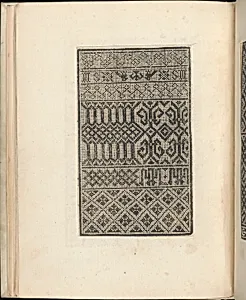
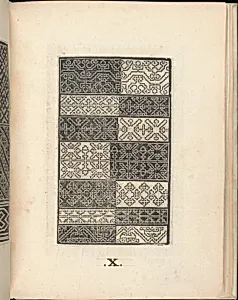
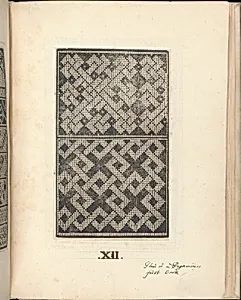
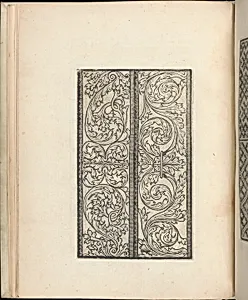
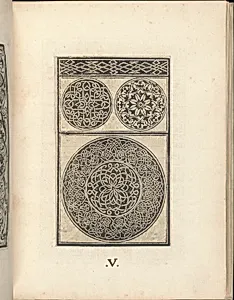
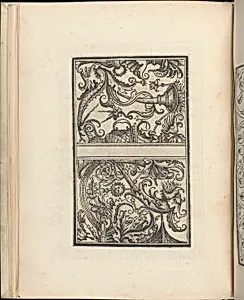
Zoppino is particularly noted for his role in publishing illustrated books, including emblem books, pattern books for lace and embroidery, and popular literary texts. Among his most historically significant publications are editions of pattern books containing designs for needlework and lacework — a genre that flourished in sixteenth-century Venice and served the practical needs of craftswomen across Europe. These publications, which combined woodcut illustrations of intricate geometric and floral patterns with instructional text, were enormously popular and represent an important intersection of the book trade with the decorative arts.
He also published literary and devotional texts, engaging with the broad market for vernacular Italian literature that expanded dramatically in the wake of the Aldine press's innovations. His business took him to several Italian cities, reflecting the mobile nature of the early printing trade and the competition among publishers to establish markets in different urban centers. His imprints appear on books published in Venice, Ferrara, and elsewhere.
Zoppino died around 1544, leaving behind a publishing legacy that contributed meaningfully to the dissemination of both literary culture and practical craft knowledge in Renaissance Italy. While he is remembered primarily as a publisher rather than an artist in the conventional sense, his role in shaping the visual and intellectual culture of his era — through the books he chose to produce and the illustrations he commissioned — places him among the significant figures of Italian Renaissance print culture.