Ctrl K
1690–1758
Occupations
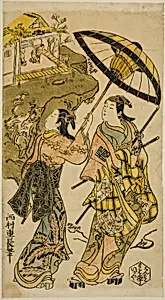
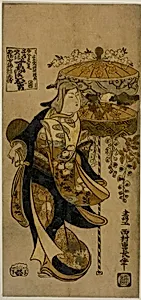
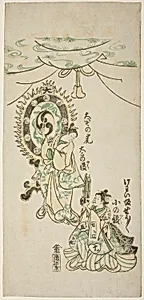
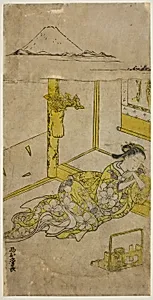
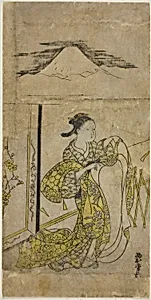
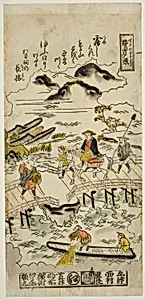
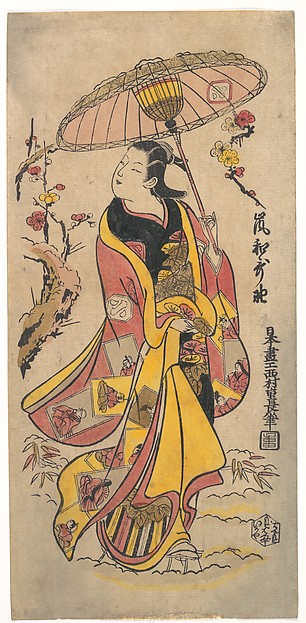
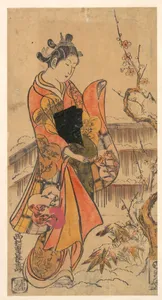
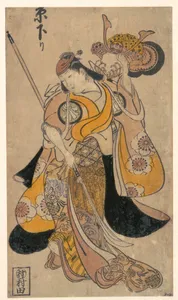
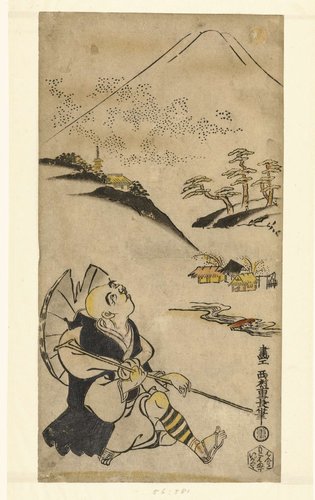
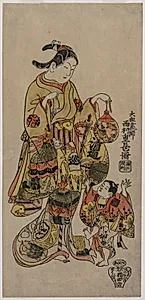
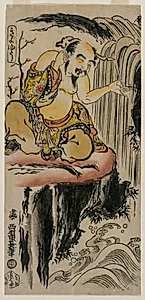
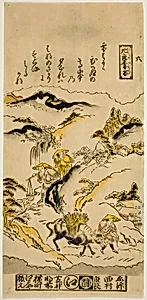
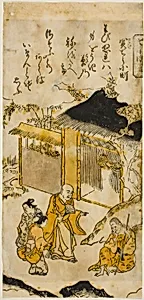
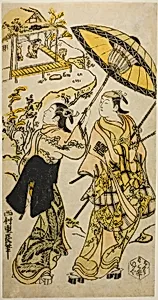
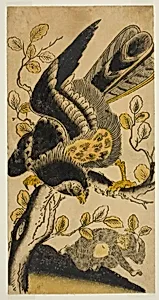
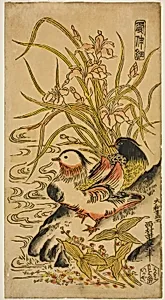
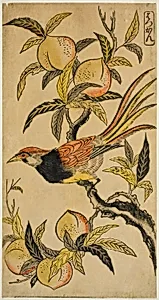
Nishimura Shigenaga (c. 1697–1756) was a pioneering Japanese ukiyo-e printmaker born in Edo (modern-day Tokyo), where he initially worked as a landlord in the Tōriabura-chō district before relocating to Kanda-Sakumachō to operate a bookshop. Self-taught with no known formal teacher, he immersed himself in art around 1719, drawing early inspiration from the Torii school's yakusha-e (actor portraits) while developing a distinctive style influenced by contemporaries like Okumura Masanobu and Nishikawa Sukenobu. Shigenaga's versatility shone across genres, from bijin-ga (images of beautiful women) with their warm, ample figures to kachō-e (birds and flowers), historical scenes, and innovative uki-e perspective prints—making him the second most prolific producer of such "floating pictures" after Masanobu.
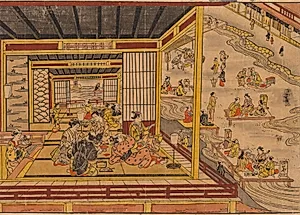
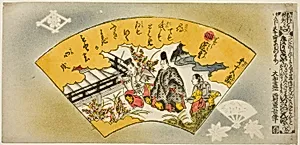
A master of transitional techniques from beni-e (rose-tinted prints) to benizuri-e (greenish-red prints) and urushi-e (lacquer-applied works), Shigenaga pushed boundaries with early multicolored palettes limited to hues like black, red, and yellow-brown, stiff yet elegant finger depictions, and bird's-eye views. His landmark contributions to ukiyo-e landscapes include the first series on Lake Biwa (1727) and Eight Views of Kanazawa, alongside triptychs such as Sanpukutsui sa chu u and the collaborative Fifty-four Sheets of Genji with Torii Kiyomasu II (c. 1730–35). Other treasures encompass Picture Book of Edo Souvenirs (1753), Shin-Yoshiwara Gocho-machi Omon-guchi uki-e (1740), and bijin-ga like A Young Lady in a Garden and Fashions of Dancing Girls—Beauty Reading Book (ca. 1730s–1740s).
As founder of the Nishimura (or Shigenaga) school, Shigenaga mentored a lineage of talents including Nishimura Shigenobu, Ishikawa Toyonobu, Suzuki Harunobu, Yamamoto Fujinobu, Tomikawa Fusanobu, Yamamoto Yoshinobu, and Hirose Shigenobu—many of whom elevated ukiyo-e into its full-color golden age. His experimental spirit in perspective, partial nudity, and meisho-e (famous places) laid crucial groundwork for the genre's evolution, ensuring his enduring legacy as a bridge from primitive prints to sophisticated masterpieces that captivated Edo's urban populace.
Wikidata (CC0); Getty ULAN (ODC-By)
![Courtesan Riding a Carp (parody of the Daoist Immortal Kinko [Chinese: Qin Gao])](https://images.artheonmuseum.org/aic/thumb/courtesan-riding-a-carp-parody-of-the-daoist-aic-19411.webp)