Ctrl K
1723–1793
Occupations
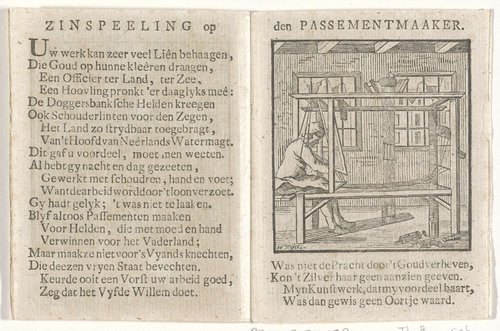
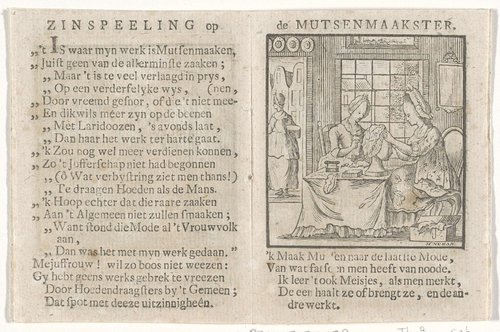
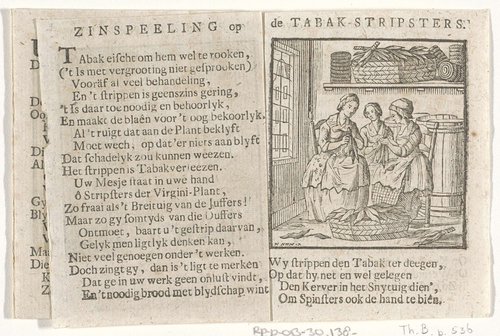
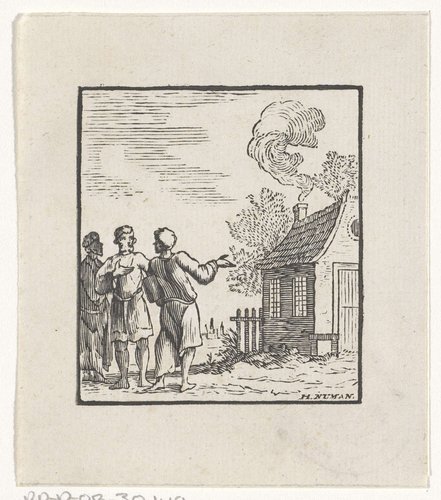
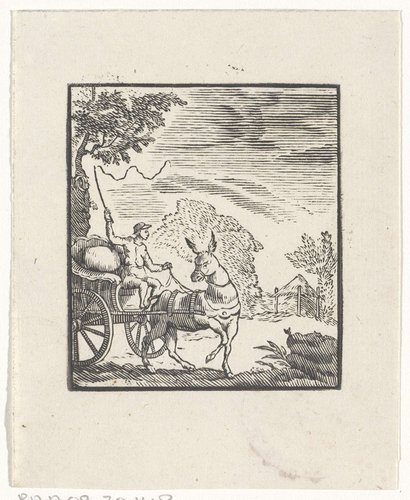
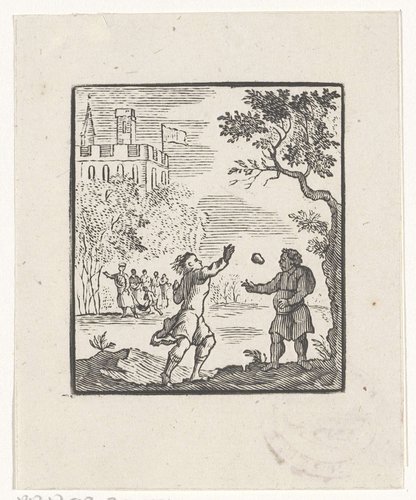
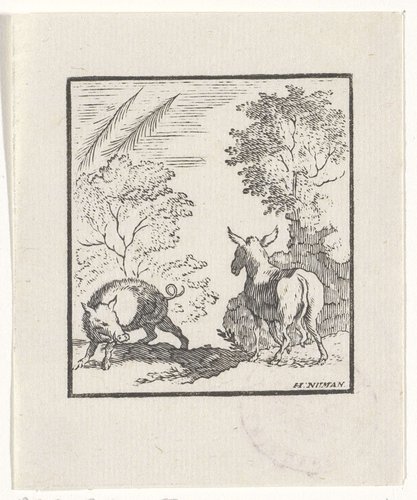
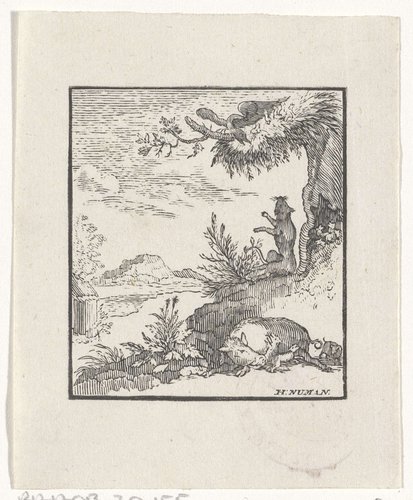
Hendrik Numan (1736–1788) was an 18th-century Dutch woodcut artist considered one of the best woodcutters of his generation, known for creating catchpenny prints that entertained and educated the poorer parts of Dutch society. Born in Amsterdam in October 1736, Numan specialized in the often-overlooked medium of woodcut at a time when copper engraving dominated fine printmaking. His father, Laurens Numan, was a ship carpenter, placing Hendrik in the artisan class. Active in both Amsterdam and Haarlem, Numan created illustrations for popular prints meant for mass distribution to working-class audiences—images that ranged from educational content to burlesque spoofs of fashion and hairstyles. His tragic death by drowning in 1788, when he walked into water outside Amsterdam during an evening, cut short the career of an artist who had successfully adapted the ancient medium of woodcut to serve contemporary popular culture and commercial printing needs.
Hendrik Numan was born in October 1736 in Amsterdam. His father, Laurens Numan, worked as a ship carpenter—an important trade in maritime Amsterdam but solidly in the artisan rather than elite class. This background meant Hendrik grew up familiar with manual crafts and the working-class culture that would later be his primary audience.
Numan trained as a woodcut artist, learning a medium that by the 18th century was considered archaic for fine printmaking, having been largely superseded by copper engraving and etching. However, woodcut remained economically important for popular prints, book illustrations, and commercial applications where speed and low cost outweighed the refinement possible in copperplate techniques.
His training would have emphasized the practical skills of cutting wood blocks with sharp knives and gouges, understanding how designs would print, and working efficiently to produce blocks for commercial printers. Unlike copper engraving's refined burin work, woodcutting required bold, direct cutting suitable for mass-market printing.
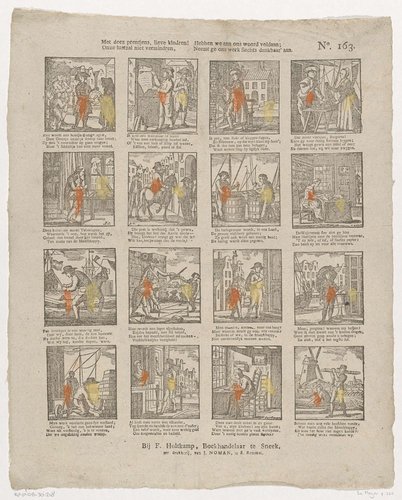
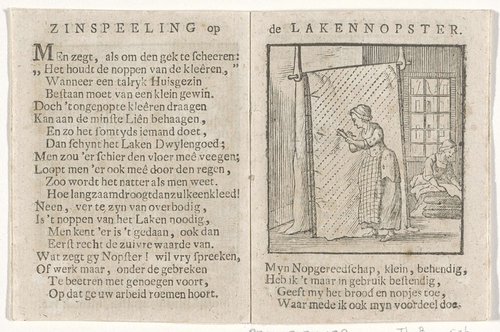
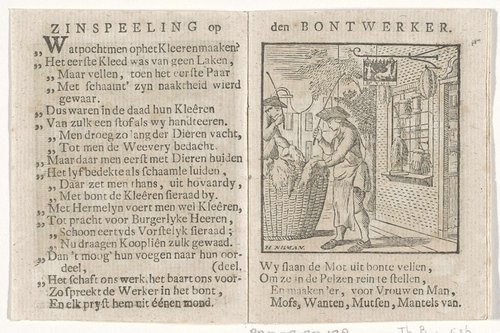
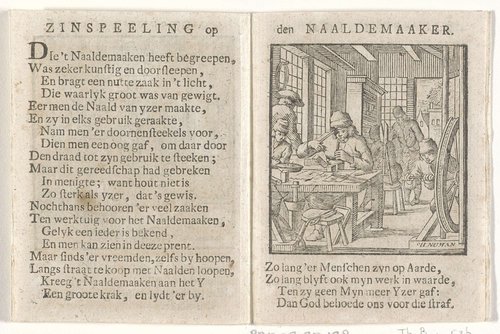
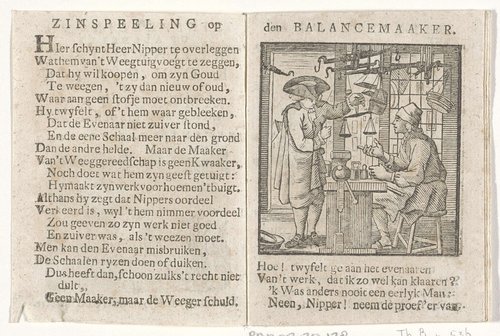
Numan became active as a woodcut artist in Amsterdam and Haarlem, two of the Netherlands' most important cities. He specialized in creating catchpenny prints—inexpensive popular prints meant for entertainment and education of working-class audiences. The term 'catchpenny' reflects their commercial purpose: cheap prints to catch pennies from ordinary people.
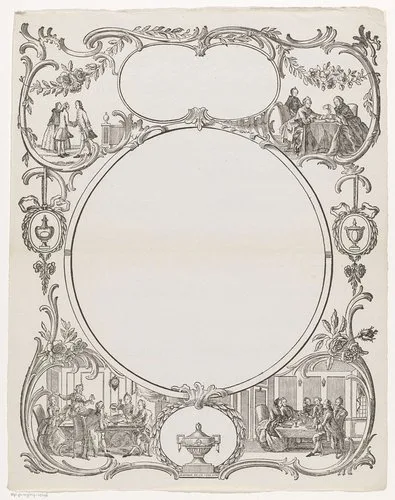
His work included both educational content and entertainment. Some prints taught practical information or moral lessons, serving the Enlightenment goal of popular education. Others showed burlesque spoofs of strange hairstyles and fashion—satirical commentary on the elaborate wigs and costumes of the wealthy that working people found ridiculous.
A 19th-century source described him as a capable woodcut engraver who tried to follow in the footsteps of other masters in this trade, indicating he maintained high standards despite working in a commercial medium. Being considered one of the best woodcutters of his generation was significant praise given the medium's low status in fine art hierarchies.
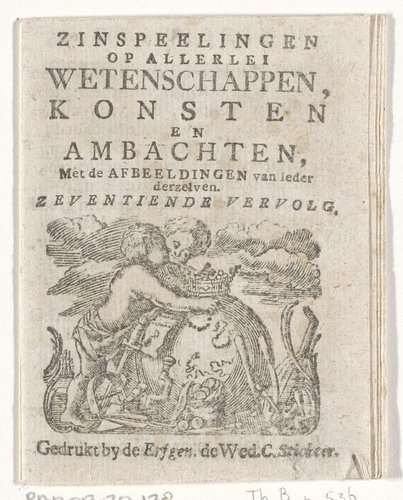
Numan worked with various printers who used his woodcuts for their publications: the Widow Cornelis Stichter in Amsterdam, Jacobus Thompson in Rotterdam, Johannes Noman in Zalbommel, and F. Holtkamp in Sneek. This geographic distribution indicates his woodcuts were used across the Netherlands, reaching diverse regional audiences.
The content and style of catchpenny prints revealed much about popular culture, humor, and concerns of ordinary Dutch people—subjects rarely addressed in elite art. Numan's work thus provides valuable historical documentation of 18th-century popular culture and visual communication.
Artheon Research Team
Last updated: 2025-11-09
Biography length: ~665 words
Wikidata (CC0); Getty ULAN (ODC-By)