
Ctrl K
1838–1901
**Numata Kashū (沼田荷舟, 1838–1901)** was a Japanese artist of the Meiji period renowned for his exquisite woodblock prints of birds, flowers, and natural subjects. Born during a time of rapid modernization in Japan, he worked primarily in the ukiyo-e tradition while embracing the refined sensibilities of nihonga painting. His output centered on detailed, lyrical depictions of avian life and seasonal flora, capturing both scientific precision and poetic elegance in vibrant polychrome prints.
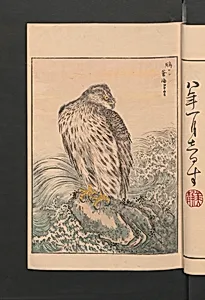
Kashū gained particular acclaim for his illustrated books, most notably the *Picture Album of Various Birds* (*Shūchō gafu* or *Pictorial Monograph of Birds*), published in 1885. This lavish polychrome woodblock volume featured intricate images of numerous bird species paired with botanical elements, produced by a Tokyo printer whose business soon collapsed—making surviving complete editions rare treasures today. His vertical-format compositions, often showing birds in dynamic poses amid maple trees or cherry blossoms, blended traditional East Asian motifs with the renewed interest in color woodblock printing during Japan’s 1880s economic boom.
Though details of his early training remain undocumented in available sources, Kashū emerged as a distinctive voice in late-19th-century Japanese printmaking. He hailed from Nagoya and focused on subjects that appealed to both domestic collectors and the growing international market for Japanese art. His works reflect the Meiji era’s tension between preserving cultural heritage and engaging with Western influences, resulting in prints that feel both timeless and freshly observed.
Kashū’s legacy endures through museum holdings, such as the Metropolitan Museum of Art’s copy of his 1885 bird album, and through continued auction interest and reproductions. Dealers historically disassembled his books to sell individual sheets, underscoring their popularity and contributing to the scarcity of intact volumes. Today, his prints are celebrated for their technical mastery and evocative portrayal of the natural world, securing his place among the notable Meiji-era ukiyo-e artists who kept traditional techniques alive amid modernization.
All 1 artworks loaded