Ctrl K
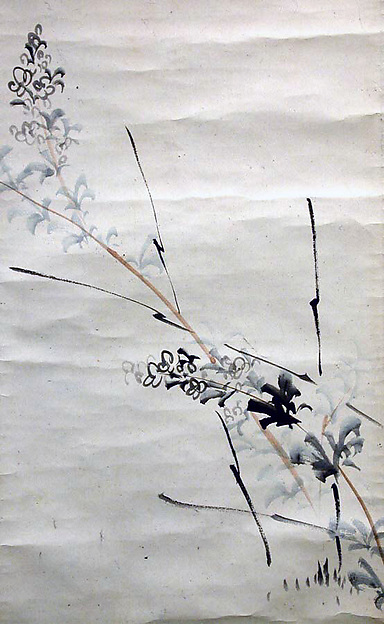
1791–1875
Occupations
Ōtagaki Rengetsu (1791–1875), born Nobu in Kyoto, was likely the illegitimate daughter of a courtesan and the nobleman Tōdō Yoshikiyo. Adopted as an infant by Ōtagaki Teruhisa, a samurai and priest at Chion’in Temple, she received a rigorous upbringing blending martial prowess and refined arts. From ages seven to sixteen, she served as a lady-in-waiting at Kameyama Castle, where she trained in jujutsu, naginatajutsu, kenjutsu, and kusarigama under her adoptive family’s ninjutsu instruction. There, she mastered calligraphy, the game of go, dance, sewing, and classical waka poetry in the traditional 5-7-5-7-7 syllable pattern, studying under poets Ozawa Roan, Ueda Akinari, and Kagawa Kageki.
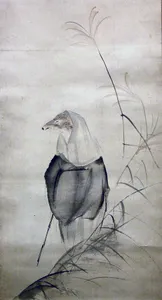
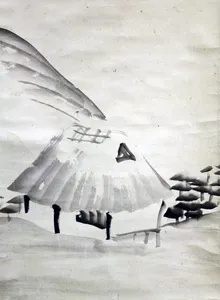
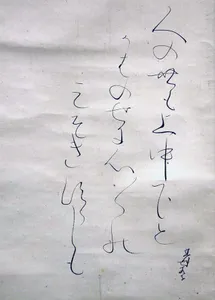
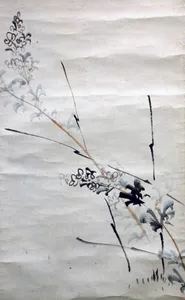
Married twice—first at sixteen to Mochihisa, then in 1819 to Hisatoshi—she endured profound losses: both husbands and all five children died by her early thirties, prompting her 1823 tonsure as a Pure Land Buddhist nun at Chion’in, adopting the name Rengetsu (“Lotus Moon”). To support herself, she turned to pottery, hand-building vessels in Kyoto kilns like Kiyomizu and Awataguchi, collaborating with potters such as Kuroda Kōryū and Kinkōzan VI. Her calligraphy, influenced by Heian women’s scripts, evolved into a fluid, elegant style that fused personal introspection with Buddhist themes. She inscribed Shijō School paintings by artists including Matsumura Goshun’s successors like Tomioka Tessai, Wada Gozan, and Shiokawa Bunrin, with whom she shared close bonds—Tessai as her live-in assistant and protégé.
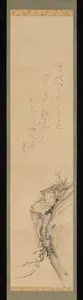
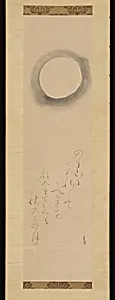
Rengetsu’s masterpieces, known as Rengetsu ware, feature rough stoneware with rice-straw-ash glazes, incised or brushed waka poems on teapots (kyūsu), sake flasks (tokuri), cups (guinomi), and vases for sencha and chanoyu tea. Notable examples include a mid-19th-century kyūsu inscribed with poetry (Walters Art Museum), Hanging Flower Vase in the Shape of a Hechima Gourd, and Moon, Blossoming Cherry and Poem (1867). In 1865, she settled at Jinkō-in Temple under Wada Gozan’s patronage, producing her most prolific works amid serene collaborations.
Celebrated as Japan’s foremost 19th-century female waka poet and Edo-period artist, Rengetsu’s unpretentious, spiritually infused oeuvre—poetry, calligraphy, painting, and ceramics—transcended gender barriers, influencing Tessai and later potters who perpetuated Rengetsu ware in Okazaki, Kyoto. Her pieces grace museums worldwide, from the British Museum’s Gekka shuen to the Saint Louis Art Museum’s Late Autumn Showers, embodying resilient grace forged in tragedy.
Wikidata (CC0); Getty ULAN (ODC-By)