Ctrl K
1578–1630
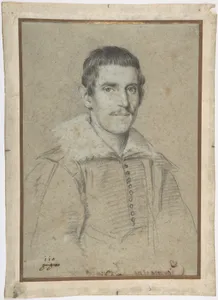
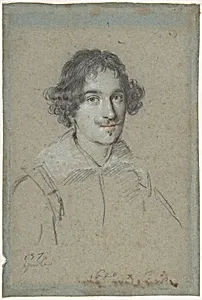
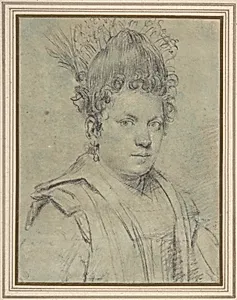
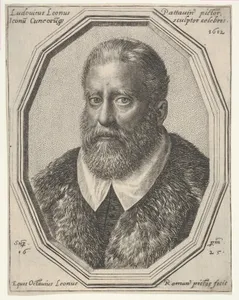
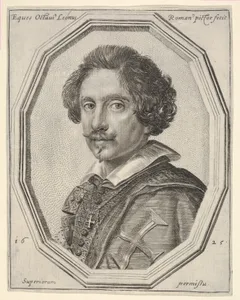
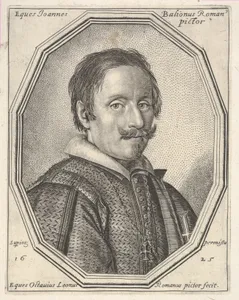
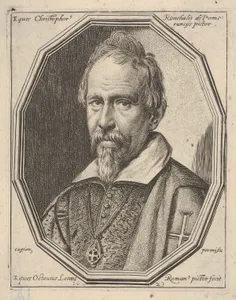
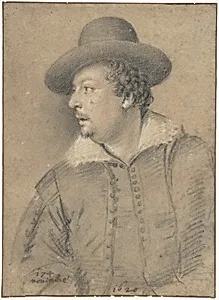
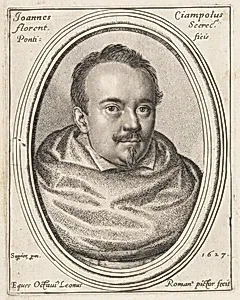
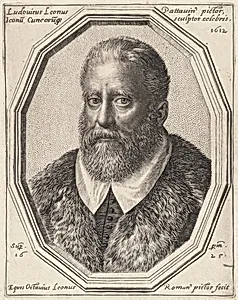
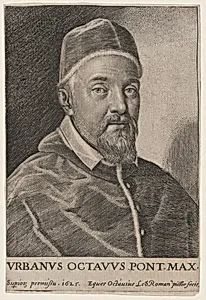
Ottavio Leoni (c. 1578–1630) was a Roman portraitist whose incisive chalk drawings captured the faces of some of the most celebrated figures of his age. Born in Rome, Leoni trained in the city's vibrant artistic environment during the era of the Counter-Reformation, developing a speciality in portraiture at a time when likenesses of cardinals, poets, and nobles were in high demand. He became closely associated with the Accademia di San Luca, the prestigious Roman artists' guild, of which he eventually became a member.
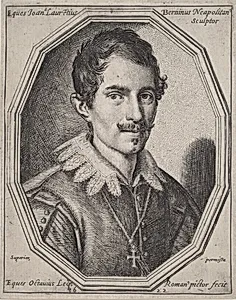
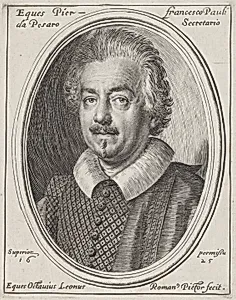
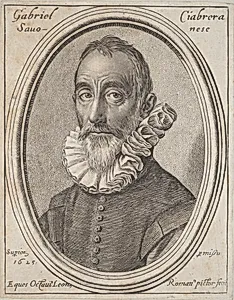
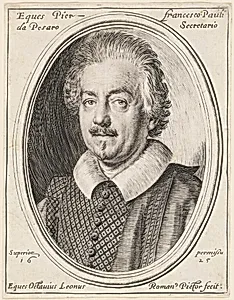
Leoni's technique was distinguished by his masterful use of black, red, and white chalk on blue paper — a combination that lent his sitters a luminous, almost living presence. Working in a manner that balanced idealization with psychological penetration, he produced dozens of portrait drawings that are now recognized as among the finest of the early Baroque period. His ability to render fabric, flesh, and expression with equal facility made him the preferred portraitist among Rome's elite. He is perhaps best known for his portrait of the painter Caravaggio, one of the few contemporary likenesses of that revolutionary artist to survive.
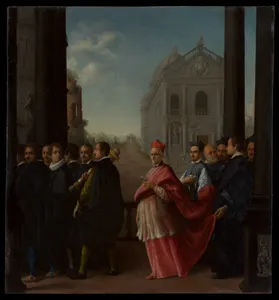
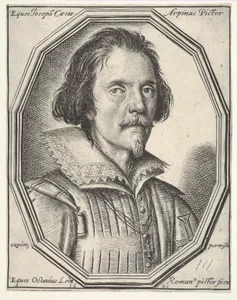
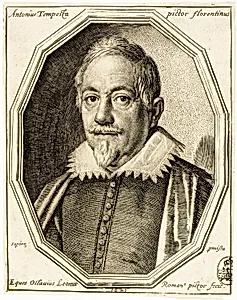
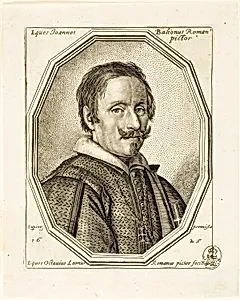
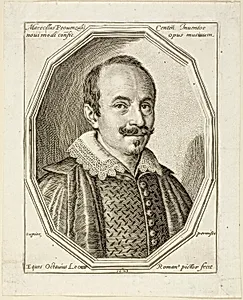
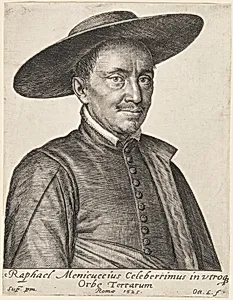
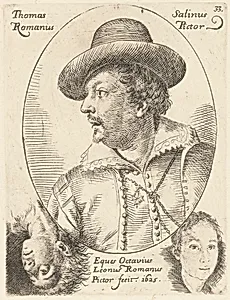
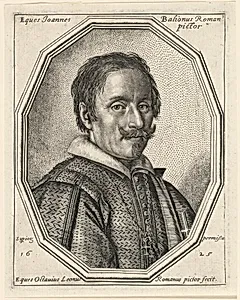
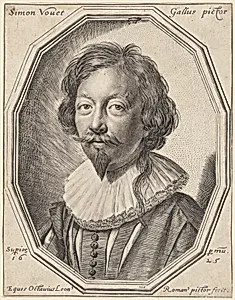
Beyond drawing, Leoni also produced prints and paintings, though it is his works on paper that secured his enduring reputation. His portrait series, often engraved and circulated widely, functioned as a kind of visual Who's Who of Roman intellectual and artistic life in the early seventeenth century. These images document a remarkable social world with clarity and grace.
Leoni's legacy has grown considerably in recent decades as art historians have paid increasing attention to drawing as an independent art form. His portraits, once treated primarily as documents, are now appreciated as sophisticated aesthetic achievements in their own right, and his body of work continues to be studied and exhibited internationally.