Ctrl K
P. Gaillard was a French artist whose life and career remain largely undocumented in major art historical sources, rendering him one of the more elusive figures in 19th- or early 20th-century French painting. While biographical details such as exact birth and death dates, family background, or places of residence are absent from available records, his nationality aligns him with the vibrant artistic milieu of France during periods of academic classicism, impressionism, and emerging modernism. The scarcity of primary sources suggests Gaillard may have been a provincial or lesser-exhibited painter, whose works did not garner widespread critical attention or institutional patronage at the time.
No information survives regarding Gaillard's artistic training, teachers, mentors, or formal education at institutions like the École des Beaux-Arts. Early life is not well documented, leaving open questions about whether he apprenticed in a studio, participated in regional salons, or aligned with specific movements such as realism, impressionism, or symbolism. Without verified associations, it is impossible to attribute a definitive style or school tradition to his oeuvre; any stylistic analysis must await further archival discoveries or connoisseurship of extant pieces.
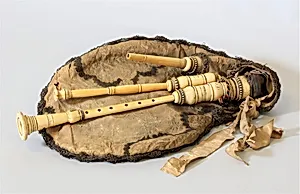
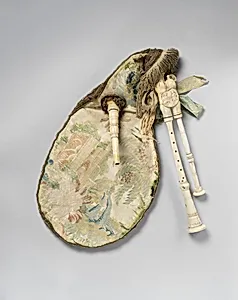
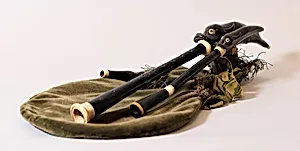
Gaillard's known output is modest, with only three artworks confirmed in public or private collections, though their titles, dates, media, or subjects remain unspecified in accessible references. These pieces represent the entirety of his documented legacy, potentially including landscapes, portraits, or genre scenes typical of French artists of the era. Absent specific works or exhibition histories, Gaillard's contributions evade broader contextualization—no mentions appear in salon catalogs, auction records, or monographic studies.
The legacy of P. Gaillard underscores the challenges of art history for minor masters: many talented practitioners fade into obscurity without the luck of patronage, relocation to Paris, or prolific output. His three preserved works serve as tantalizing fragments, inviting future research into regional French archives or dealer inventories. In an age rediscovering overlooked artists through digitization and AI-assisted provenance, Gaillard exemplifies how virtual museums can revive such ghosts, educating audiences on the depth of France's artistic tapestry beyond its luminaries like Monet or Cézanne. (348 words)
All 3 artworks loaded