Ctrl K
1863–1935
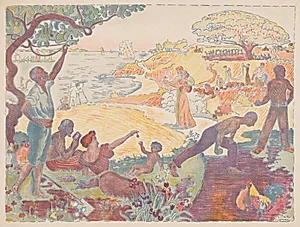
Paul Signac (1863–1935) was a French Neo-Impressionist painter and theorist who became the leading practitioner and champion of Pointillism after the death of Georges Seurat. Born in Paris, he was initially inspired by the Impressionists, particularly Monet, before meeting Seurat in 1884 and becoming his most devoted follower and intellectual partner in developing the systematic color theory they called Divisionism or Chromo-luminarism.
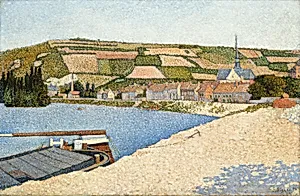
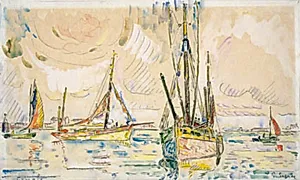
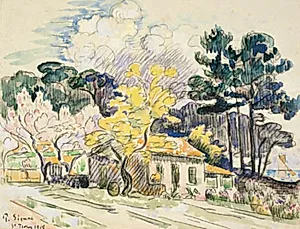
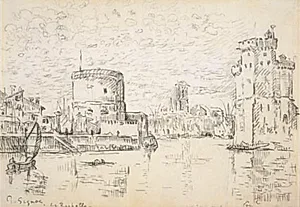
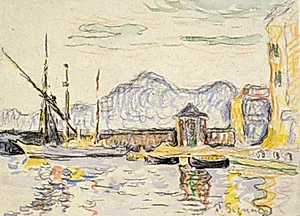
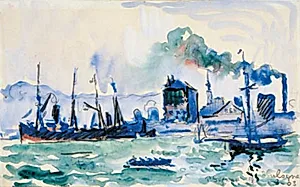
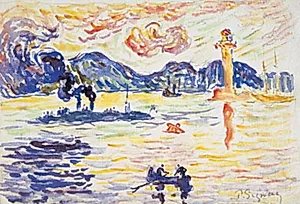
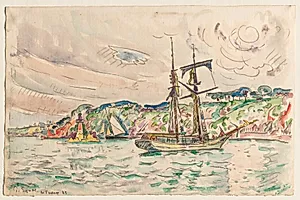
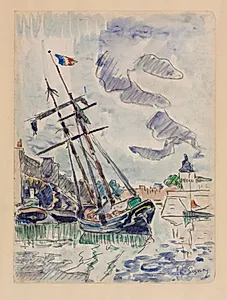
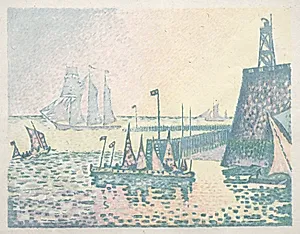
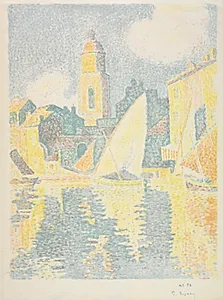
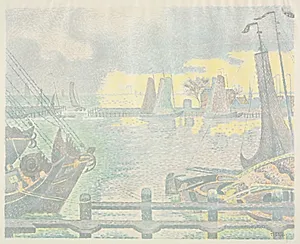
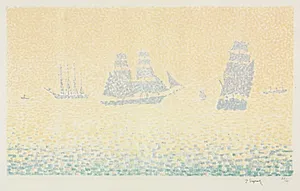
Signac's paintings apply color in small, distinct touches of pure pigment — dots, dashes, and mosaic-like strokes — that are intended to blend optically when viewed from a distance, producing colors of greater luminosity and vibrancy than those achieved by physical mixing on the palette. His subjects, predominantly harbor scenes, coastal landscapes, and views of Mediterranean ports, are rendered in brilliant, jewel-like colors that capture the dazzling light of the south of France.
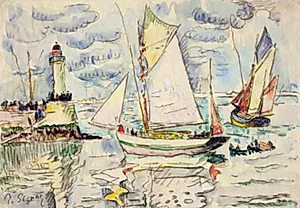
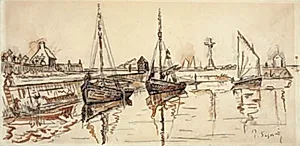
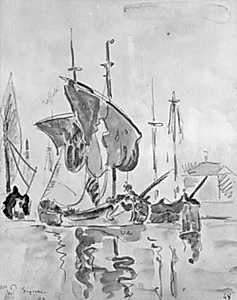
After Seurat's premature death in 1891, Signac became the theoretical spokesman for Neo-Impressionism, publishing "D'Eugène Delacroix au Néo-Impressionnisme" (1899), a treatise that systematized the movement's color theory and traced its intellectual lineage from Delacroix through the Impressionists. He was also a passionate sailor, and his numerous paintings of French and Mediterranean ports were often made during sailing voyages along the coasts.
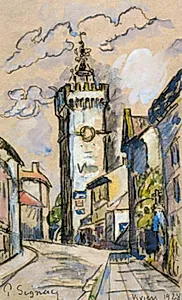
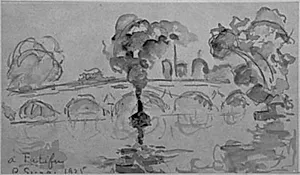
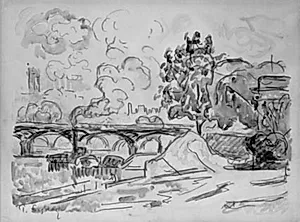
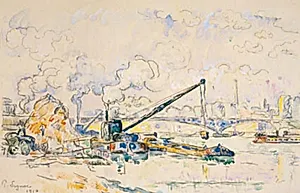
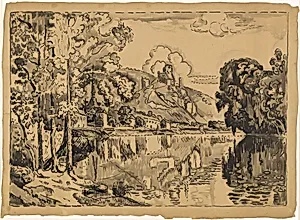
Signac served as president of the Salon des Indépendants for many years and was a generous mentor to younger artists, including Henri Matisse, who credited Signac's example with liberating his own use of color. His watercolors, produced throughout his career, are celebrated for their freshness and spontaneity. His work is held by the Musée d'Orsay, the Metropolitan Museum of Art, the Musée de l'Annonciade in Saint-Tropez, and major museums worldwide.