Ctrl K
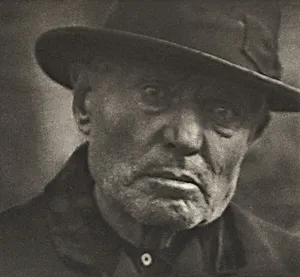
1890–1976
Paul Strand (1890–1976), born Nathaniel Paul Stransky in Brooklyn, New York, to Bohemian immigrant parents Jacob and Matilda Stransky, discovered photography at age twelve with a camera gifted by his father. Enrolled at the progressive Ethical Culture Fieldston School, he studied under documentary photographer Lewis W. Hine and critic Charles Caffin from 1904 to 1909, where Hine instilled a commitment to social reform through images. A pivotal 1907 field trip to Alfred Stieglitz's 291 gallery exposed him to modernist works by Gertrude Käsebier and Edward Steichen, sparking his dedication to the medium; Stieglitz later championed his career, exhibiting his photographs there in 1916.
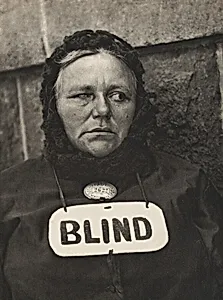
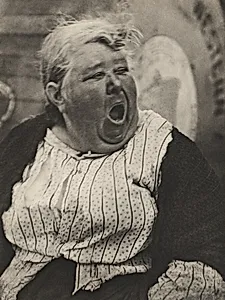
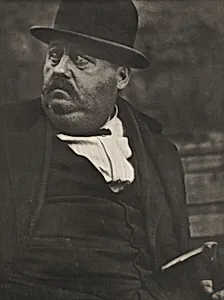
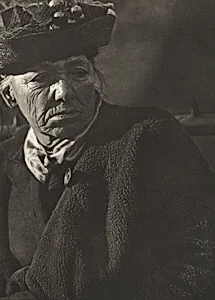
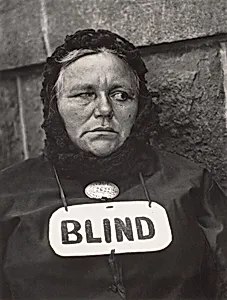
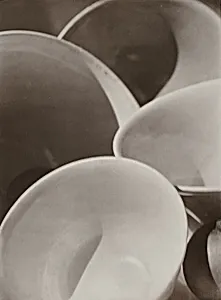
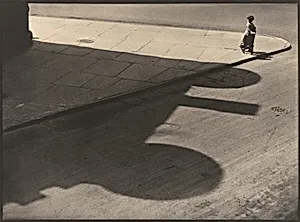
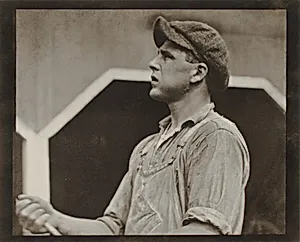
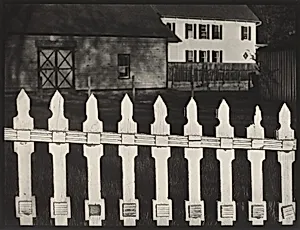
Initially emulating Pictorialists, Strand revolutionized his approach after Stieglitz's 1915 critique of his "graphic softness," pioneering straight photography—a crisp, unmanipulated style emphasizing form, geometry, and everyday subjects to elevate photography as modern art alongside Edward Weston. His breakthrough 1915–1916 New York series captured urban abstraction and human struggle: *Wall Street* (1915), *From the Viaduct, 125th Street* (1916), *Abstraction, Porch Shadows, Twin Lakes, Connecticut* (1916), *Blind Woman, New York* (1916), and candid street portraits like *Man in a Derby* using a rigged camera for unaware subjects. He married painter Rebecca Salsbury in 1922 (divorced 1933), collaborated on the avant-garde film *Manhatta* (1921) with Charles Sheeler, and later wed Virginia Stevens (1936–1950) and Hazel Kingsbury (1951–1976).
Strand's career spanned continents and media, from 1930s Mexico documentary films like *Redes* (1936) to co-founding the leftist Photo League, where he mentored emerging talents. Fleeing McCarthyism, he settled in France in 1950, producing humanist "portraits" of regions in photobooks: *Time in New England* (1950), *La France de Profil* (1952), *Un Paese* (1955), *Tir a' Mhurain* (1962), and *Living Egypt* (1969).
Strand's legacy endures as a cornerstone of modernist photography, bridging abstraction and humanism to affirm the camera's power in revealing dignity amid modernity. His works grace collections like MoMA and the Met, influencing generations with their unflinching clarity and social vision.
![Driftwood [recto]](https://images.artheonmuseum.org/nga/thumb/driftwood-recto-nga-74107.webp)
![Broken Twigs, Georgetown, Maine [verso]](https://images.artheonmuseum.org/nga/thumb/broken-twigs-georgetown-maine-verso-nga-74108.webp)
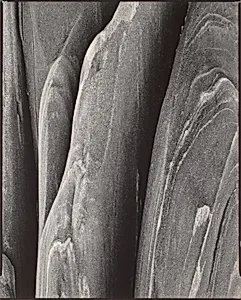
![Rock [recto]](https://images.artheonmuseum.org/nga/thumb/rock-recto-nga-74109.webp)
![Woods, Maine [recto]](https://images.artheonmuseum.org/nga/thumb/woods-maine-recto-nga-74112.webp)
![Wild Iris, Maine [recto]](https://images.artheonmuseum.org/nga/thumb/wild-iris-maine-recto-nga-71486.webp)
![Apartment Repainted, New York [recto]](https://images.artheonmuseum.org/nga/thumb/apartment-repainted-new-york-recto-nga-74105.webp)