Ctrl K
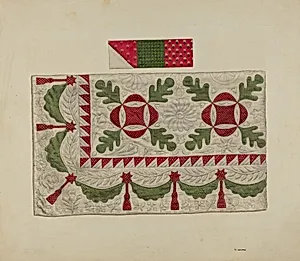
1855
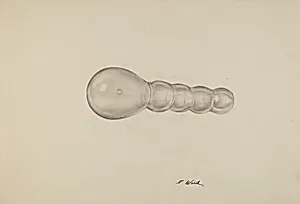
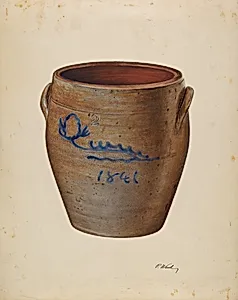
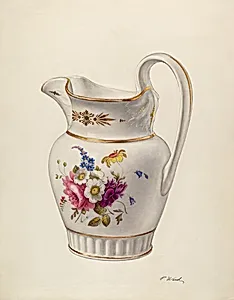
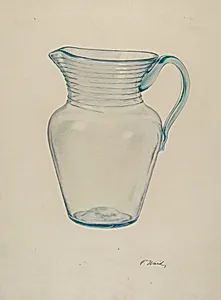
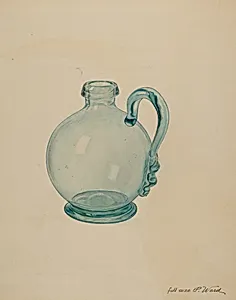
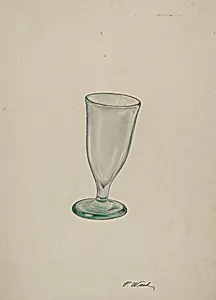
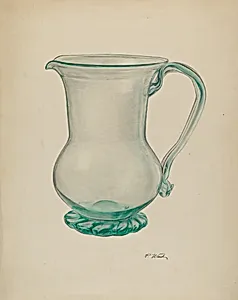
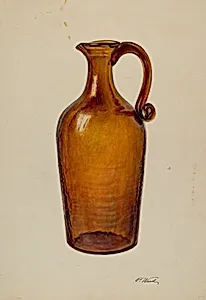
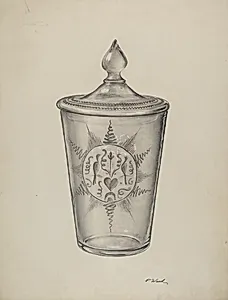
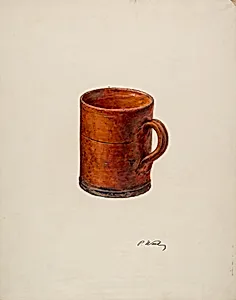
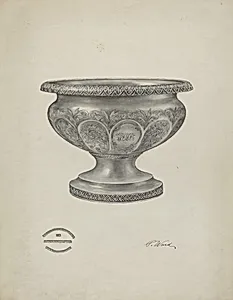
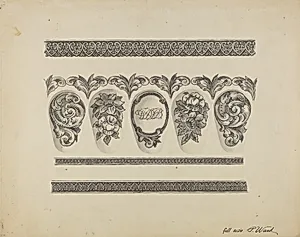
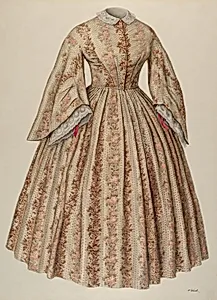
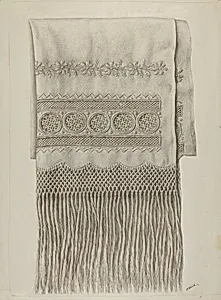
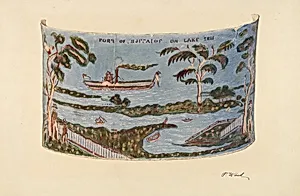
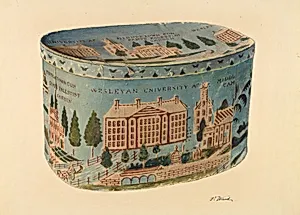
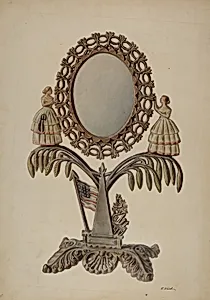
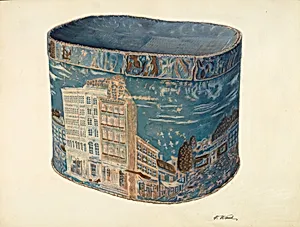
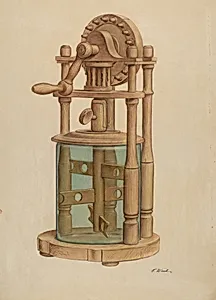
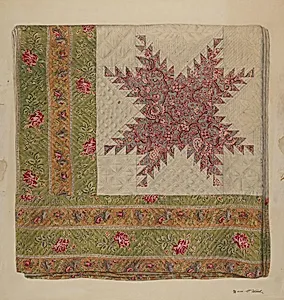
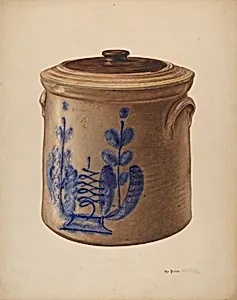
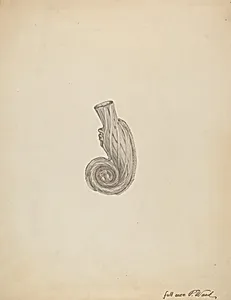
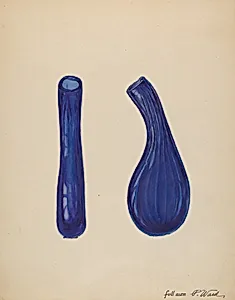
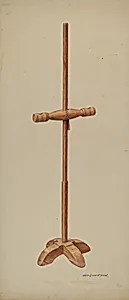
Paul Ward was an American artist who contributed to the Index of American Design during the New Deal era, creating detailed watercolor renderings of American decorative objects that are now held in the collection of the National Gallery of Art in Washington, D.C. His documented works include Lamp and Camphene Lamp, both rendered in watercolor and graphite on paperboard and created between 1935 and 1942 as part of the Federal Art Project. These works exemplify the meticulous documentary method that defined the Index: each object was rendered with careful attention to material, light, and construction, producing a visual archive of American domestic and craft culture from the colonial period through the nineteenth century.
The Index of American Design was one of the most significant cultural undertakings of the Depression era, employing roughly one thousand artists across thirty-four states under the auspices of the Works Progress Administration. Ward participated in this collective enterprise, bringing his skill as a watercolorist to the task of illuminating objects that might otherwise have passed from public memory. The project's dual ambitions — economic relief for unemployed artists and the preservation of a distinctly American design heritage — gave the Index a unique place in the history of both social policy and art history.
Ward's contributions to the Index reflect the broader achievement of the Federal Art Project: the transformation of professional artistic training into a form of civic service. The National Gallery of Art received the Index collection in 1943 and continues to maintain it as one of the most comprehensive visual records of American material culture in existence. Though biographical details about Ward's personal training and career are sparse in surviving records, his watercolors remain an enduring part of this landmark archive.