Ctrl K
1731–1797
**Paulus van Liender** (1731–1797) was a Dutch landscape painter and draughtsman active in the eighteenth century. Born in Utrecht, he trained under the prominent artist and draughtsman Cornelis Pronk. He was the brother of the painter Pieter van Liender and nephew of Jacob van Liender. Van Liender also collaborated closely with the landscape specialist Jan de Beijer, whose influence helped shape his early focus on accurate topographical views of Dutch towns and countryside.
His career combined artistic practice with administrative and commercial roles. Van Liender served as a board member of the Haarlem Tekenacademie, founded in the home of Pieter Teyler van der Hulst. In 1774 he advanced to the position of *steller van het model*, responsible for posing live models during drawing sessions. He later worked as a lumber dealer and as chief collector of wine taxes, reflecting the multifaceted professional life common among artists of the period. These experiences informed his evolving approach to landscape, moving from precise architectural renderings to more atmospheric compositions.
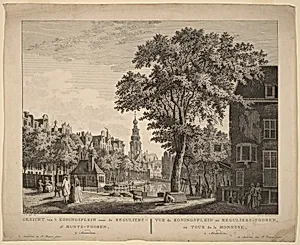
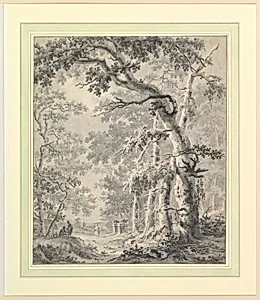
Stylistically, van Liender began with purely topographical drawings that could be mistaken for those of his brother. Over time he adopted a more romantic sensibility, depicting ruined churches nestled in forests and, eventually, monumental forest trees as his primary subjects. Notable works include the 1760 drawing *Jan Rodenpoortstoren, Amsterdam* and evocative scenes such as *Church ruins in a forest*. His output as both painter and etcher captured the changing tastes of late-eighteenth-century Dutch art, bridging documentary precision with emerging romantic interests in nature and decay.
Van Liender’s legacy rests on his contributions to the Haarlem artistic community and his influence on a generation of pupils, including Franciscus Andreas Milatz, Hermanus Petrus Schouten, and Jacob Elias van Varelen. He died in Haarlem in 1797, leaving a modest but distinctive body of landscape drawings and paintings that continue to appear in museum collections and auctions today. His three works in the museum’s holdings exemplify the refined draughtsmanship and atmospheric sensitivity that defined his mature career.