Ctrl K
1787–1839
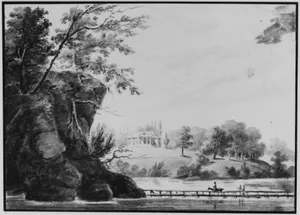
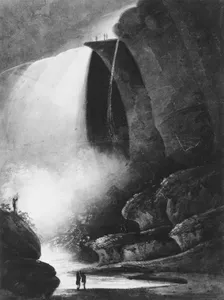
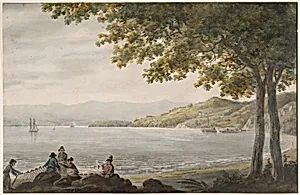
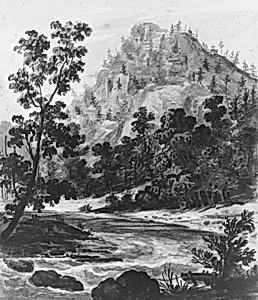
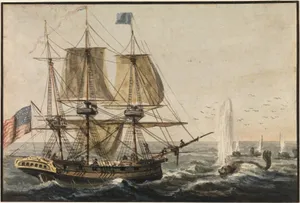
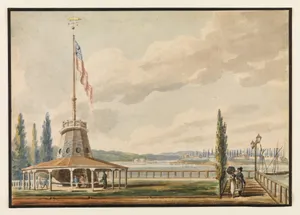
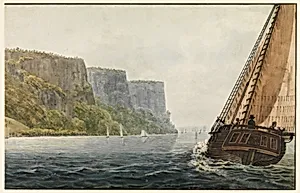
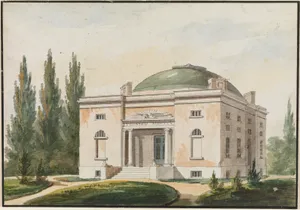
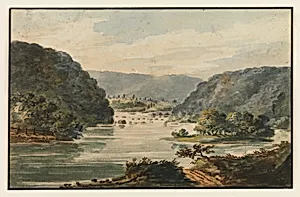
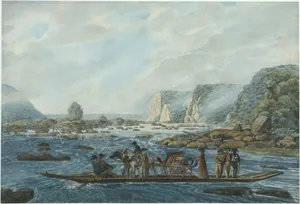
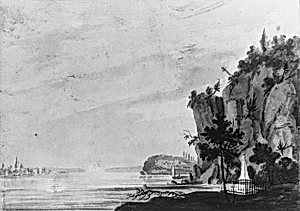
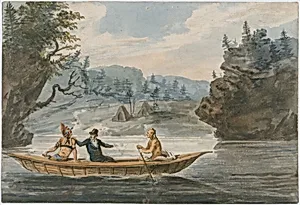
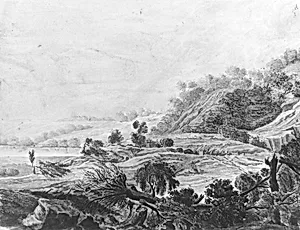
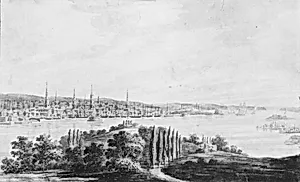
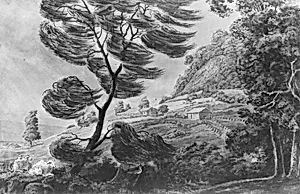
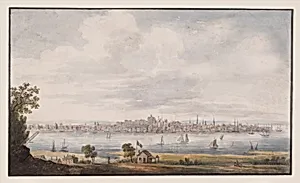
Pavel Petrovich Svinin (1787–1839) was a Russian diplomat, writer, and amateur artist whose visual record of early American life constitutes one of the most vivid and historically valuable documentary accounts of the United States in the early nineteenth century. Born in Russia in 1787, Svinin received a broad education and pursued a career in the Russian foreign service, which brought him to the United States between 1811 and 1813 as part of the Russian consular mission in Philadelphia. During this visit, he undertook an extensive program of sketching and watercolor painting that documented American society, technology, landscapes, and popular customs with the fresh eyes of an informed foreign observer.
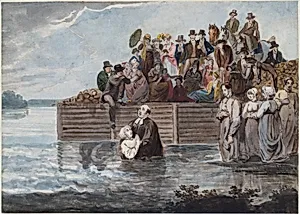
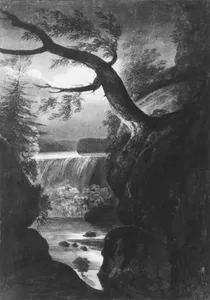
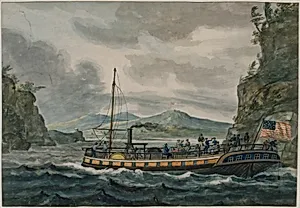
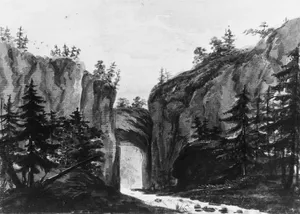
Though not a professional artist, Svinin had received sufficient artistic training to produce watercolors of genuine accomplishment. His style is descriptive and clear, prioritizing documentary fidelity over pictorial sophistication, but his works possess a lively charm and an ethnographic richness that far exceeds what their modest technical ambitions might suggest. He depicted scenes ranging from African American church gatherings and street life to technological marvels such as steam ferries and the new industrial infrastructure of the young republic, all observed with curiosity and without condescension.
Svinin published a book about his American travels in Russian and his watercolors, now held principally in the collection of the Metropolitan Museum of Art in New York, were rediscovered by scholars in the twentieth century as crucial primary sources for understanding everyday life in the early American republic. His images of Black American religious practice and community life are particularly prized as among the earliest sympathetic visual records of African American culture.
Svinin returned to Russia and continued his literary and administrative career until his death in 1839. His American watercolors, produced during just two years of diplomatic service, have secured him a permanent place in the history of American visual culture, valued not primarily for their artistic ambition but for their irreplaceable historical testimony.