Ctrl K
1836–1882
Bakewell, Pears and Company, Pittsburgh's preeminent glass manufacturer, emerged from the ambitious vision of English immigrant Benjamin Bakewell (1767–1844), who is hailed as the "father of the flint-glass crystal business in America." In 1808, Bakewell acquired a struggling flint glasshouse along the Monongahela River, partnering initially with glassblower Edward Ensell and merchant Benjamin Page. The firm evolved through nine name changes amid shifting partnerships dominated by Bakewell family members—sons Thomas Bakewell (leader 1844–1866) and John Palmer Bakewell—and the Pears family, including Thomas Pears (hired 1816 as recruiter of skilled English workers) and his son John Palmer Pears (senior partner 1866–1874). Bakewell drew on European expertise, smuggling artisans to master lead crystal production, establishing the company under its longest name, Bakewell, Pears and Company, from 1844 to 1880.
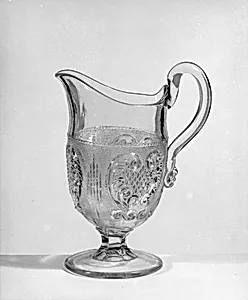
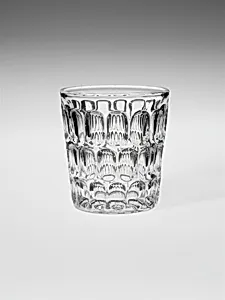
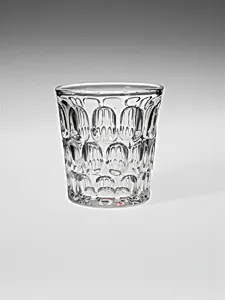
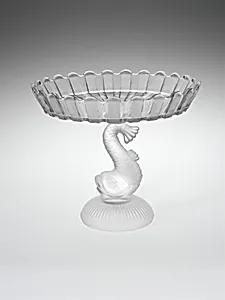
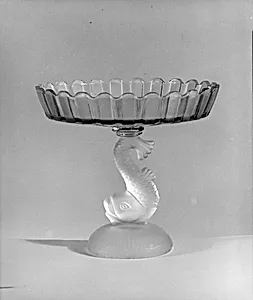
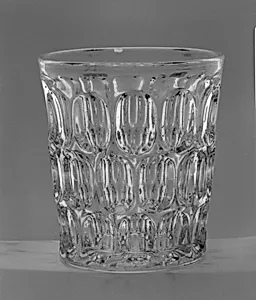
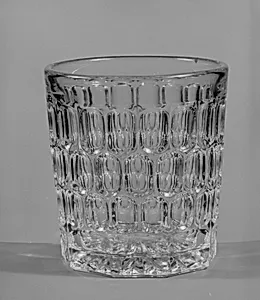
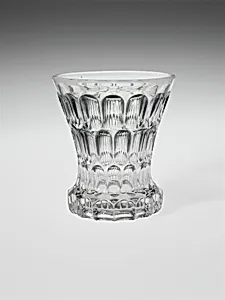
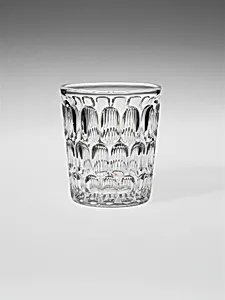
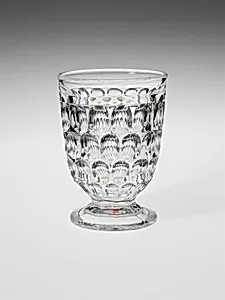
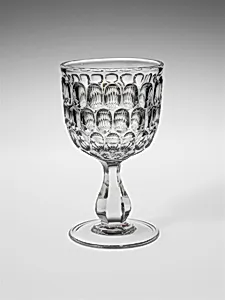
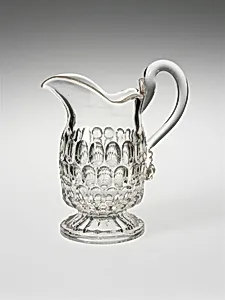
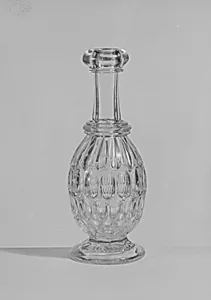
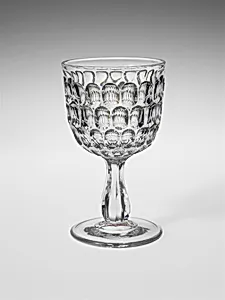
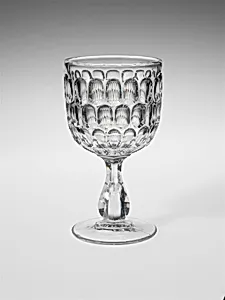
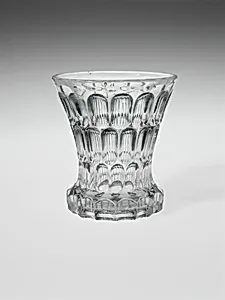
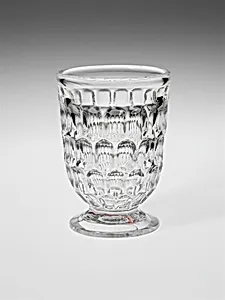
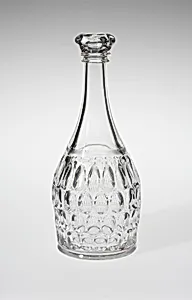
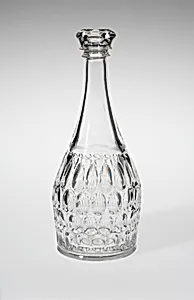
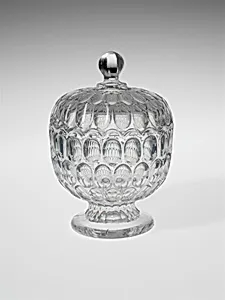
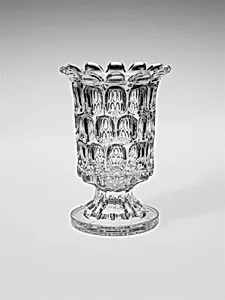
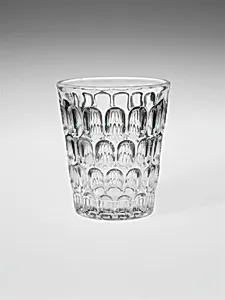
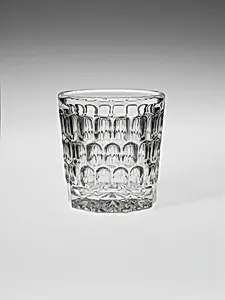
The company specialized in luxurious lead crystal tableware—blown, pressed, cut, and engraved—imitating high-end English and Irish styles while pioneering affordable mass production. Key innovations included the first U.S. mechanical glass-pressing patent (1825, by John Palmer Bakewell) and America's inaugural cut crystal chandelier (1810). Signature patterns featured the Argus (or Thumbprint) motif, a faceted imitation of cut glass seen in covered compotes (1850–70); the Monroe diamond-cut design on decanters supplied to President James Monroe (1817); and sulphide portrait tumblers depicting Lafayette (1825) or presidents like Andrew Jackson. Other works encompassed tumblers (1860–70), goblets, champagne glasses, celery vases, and frosted Ribbon (English) pitchers, often with motifs like greyhounds symbolizing friendship.
Bakewell, Pears and Company supplied the White House for Monroe and Jackson, earned medals at Franklin Institute fairs (1824–25), and fueled Pittsburgh's rise as the nation's glass hub with factories proliferating by the 1850s. Relocating to Bingham Street in 1854 after a fire, it employed 125 workers and generated $150,000 annually by 1877. The firm closed in March 1882 amid economic depression, strikes, and leadership losses, its site sold to a wire maker.
Its legacy endures in Pittsburgh's glassmaking dominance—26.8% of U.S. output by 1880—and through alumni founding firms like Atterbury & Company and Bryce Brothers. Bakewell's pressed flint glass tradition democratized elegance, blending industrial innovation with artistic refinement, as evidenced by 37 pieces in museum collections worldwide.