Ctrl K
1500–1550
Peter Quentel (ca. 1500–1546) was a prominent German printer and publisher based in Cologne, active from 1518 until his death on March 1, 1546. The son of the esteemed printer Heinrich Quentel (d. 1501), Peter began issuing books under his own name around 1518 and fully assumed control of the family press by 1520, eventually serving multiple terms as a Cologne city councilman. His early life is not well documented, but he operated within Cologne's vibrant printing tradition during the early Reformation, producing religious texts, chronicles, and innovative pattern books that bridged art and craft. Sometimes identified as the French Protestant Pierre de Quinty, Quentel collaborated closely with the woodcut designer Anton Woensam von Worms, whose intricate borders and illustrations elevated Quentel's publications.
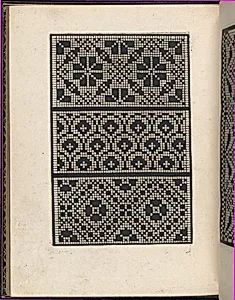
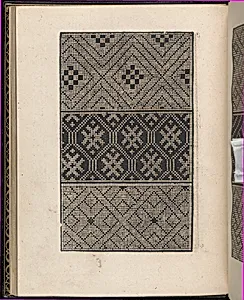
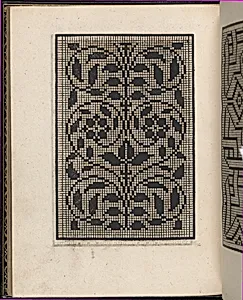
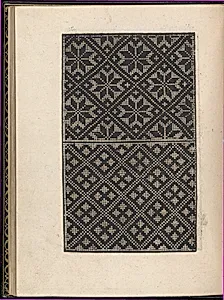
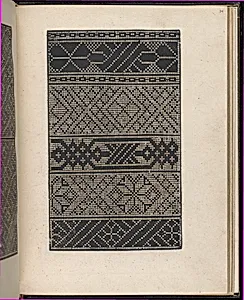
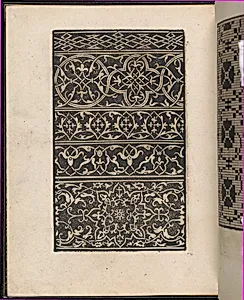
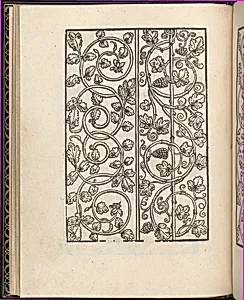
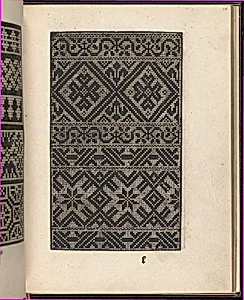
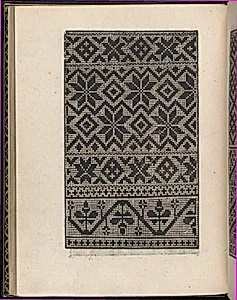
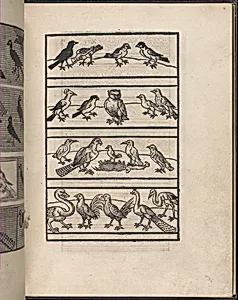
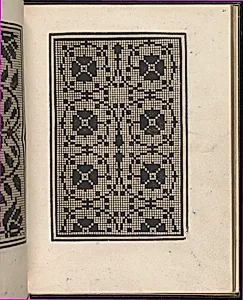
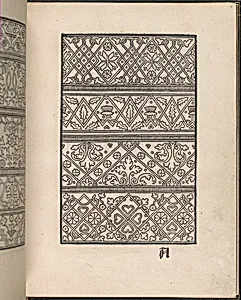
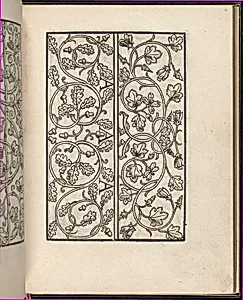
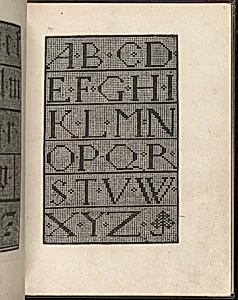
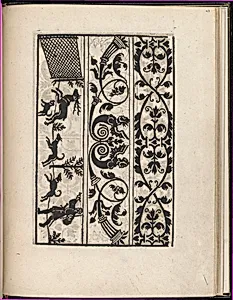
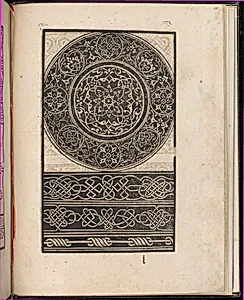
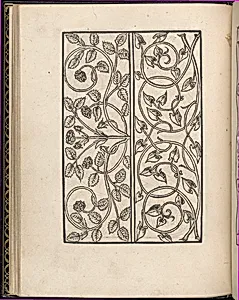
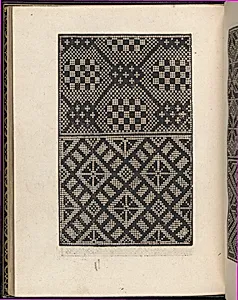
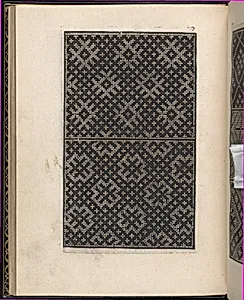
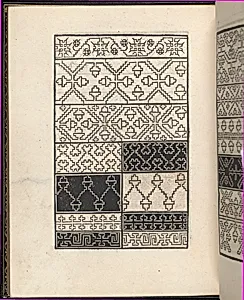
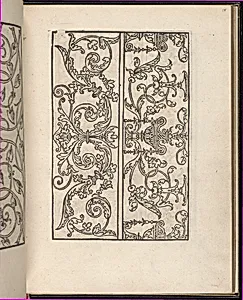
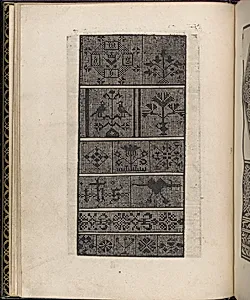
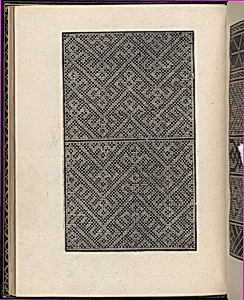
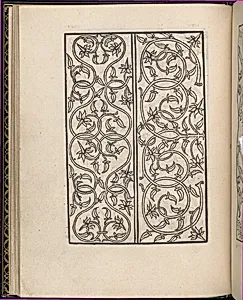
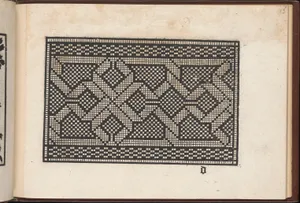
Quentel's artistic contributions centered on woodcut pattern books (Modelbücher) for embroidery, lace, and ornamental designs, reflecting the Renaissance fascination with geometric motifs, grotesques, and strapwork in the German tradition. These works drew inspiration from earlier publications like Johann Schönsperger's 1524 *Ein Neu Modelbuch*, with Woensam adapting or copying designs to suit needlework applications. Quentel's press produced three German editions of *Musterbuch für Ornamente und Stickmuster* in 1527, alongside a French version titled *Livre nouveau et subtil touchant d’art et science* under his alternate name. He followed with *Eyn New Kunstlichboich* in 1529, featuring alphabets, imperial portraits, and ornamental pages, and *Ein new kunstlich Modelbuch* in 1541 (reprinted 1544), boasting nearly 100 design folios framed by architectural borders.
Beyond patterns, Quentel printed significant religious works, including a fragment of William Tyndale's English New Testament in 1525–1526 (halted by authorities) and a Low German Bible in 1524. He commissioned Woensam's monumental *View of Cologne* (1530), a vast woodcut presented to Emperor Charles V. Quentel's legacy endures as a pioneer in disseminating accessible design resources for artisans, with his books preserving over 130 woodcut patterns that influenced European decorative arts into the late Renaissance. His output not only advanced printing technology but also democratized artistic motifs amid religious and cultural upheaval.