Peter Takal (1905–1995) was a Romanian-born American artist renowned for his masterful pen-and-ink drawings and prints, which blended precise linear observation with surrealist undertones. Born on December 8, 1905, in Bucharest, Romania, Takal spent his early career in Europe, living and working in Berlin during the 1920s before moving to Paris in the 1930s, where he pursued acting alongside his artistic endeavors. In the 1940s, he immigrated to New York City, becoming a U.S. citizen, and later acquired a farm in eastern Pennsylvania in 1945, which profoundly influenced his shift toward intimate depictions of nature. His early life and formal training remain sparsely documented, but his transatlantic experiences shaped a style rooted in meticulous line work, evoking the focused draftsmanship of masters like Ingres.
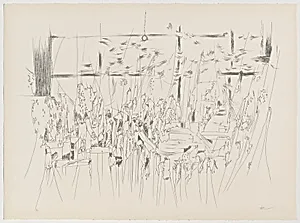
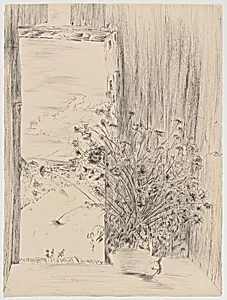
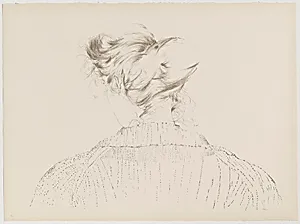
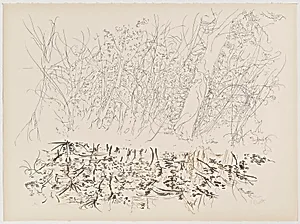
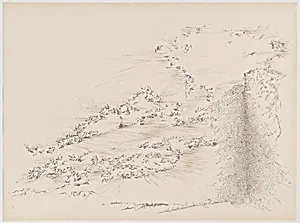
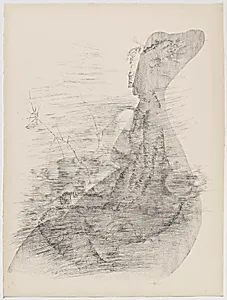
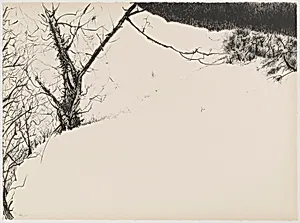
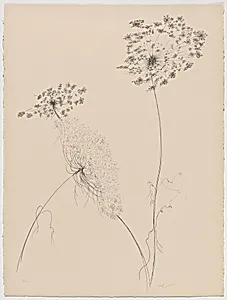
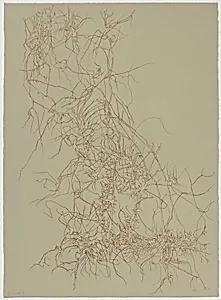
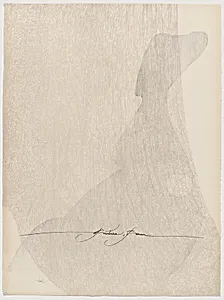
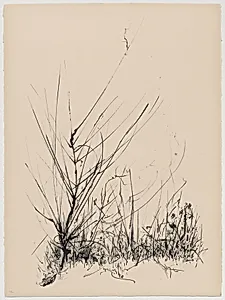
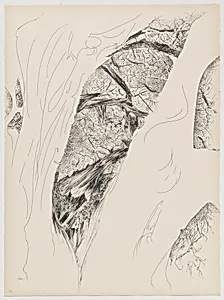
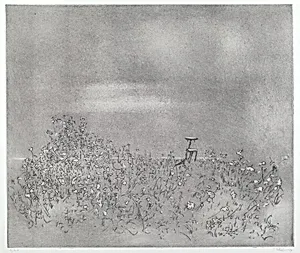
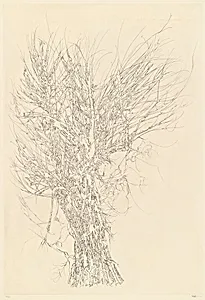
Takal's oeuvre spanned seven decades, encompassing over 100 solo exhibitions across the United States and Europe. He excelled in pen-and-ink as his primary medium, producing linear fantasies of plant life, landscapes, Parisian street scenes, nudes, and urban motifs. His prints, often executed in lithography and etching, reveal a surreal edge—tangled roots, elongated forms, and dreamlike compositions that merge the organic with the abstract. Works like *View on 57th Street* (undated, Metropolitan Museum of Art) and *Space with Buildings* (1955, National Gallery of Art) capture his urban sensibilities, while Pennsylvania farm life inspired ethereal botanicals.
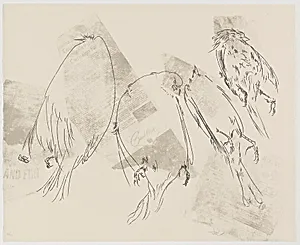
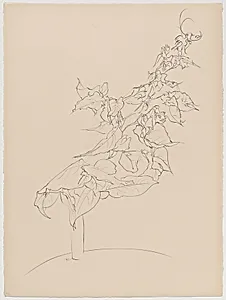
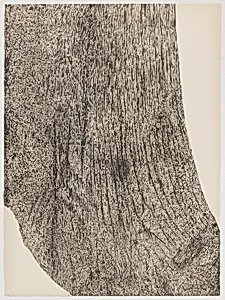
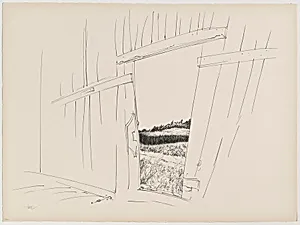
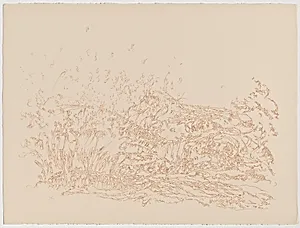
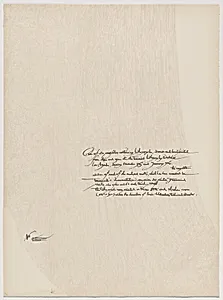
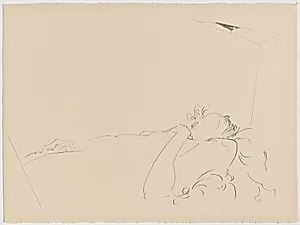
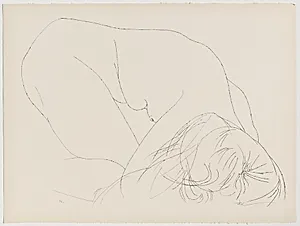
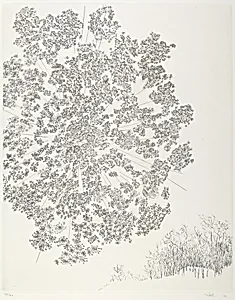
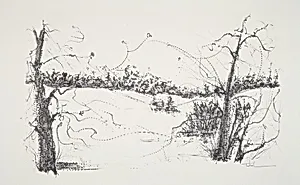
A pinnacle of his career was the portfolio *Of Nature, Of Man* (1963–1964), a series of 20 lithographs printed at the Tamarind Institute, featuring titles such as *Tree Opening*, *Autumn Lake*, *Birds*, *Bougainvillaea*, *Wave*, *Reclining Nude*, *Kneeling Nude*, and *City Windows*. These are held in the Whitney Museum (23 works total, including *The Apple Tree*, 1954, and *Profile of a City*, 1956), National Gallery of Art (30 works), and Museum of Modern Art.
Takal's legacy endures through his presence in over 100 public collections worldwide, with the Arkansas Arts Center holding the largest archive of some 1,500 drawings, prints, and related materials. Celebrated as a virtuoso of line, his work invites viewers into a contemplative world where nature's intricacies mirror the human spirit, securing his place among 20th-century graphic masters.