Ctrl K
1680–1753
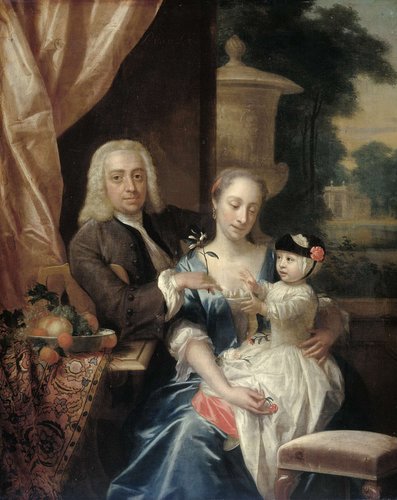
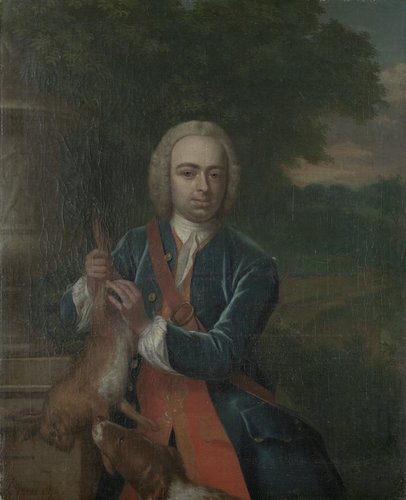
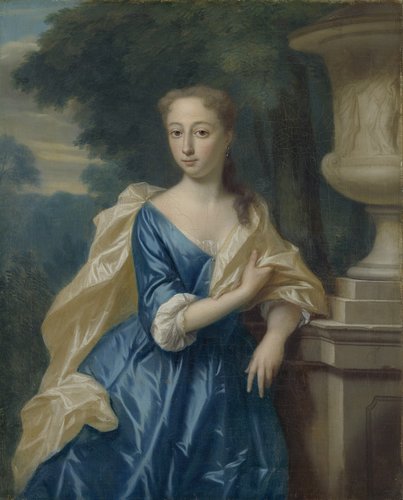
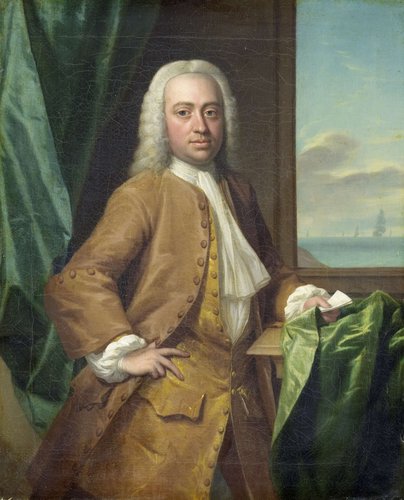
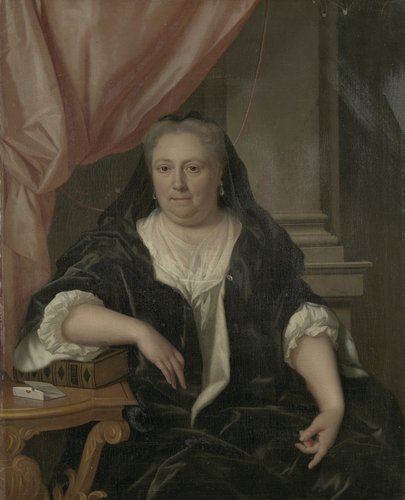
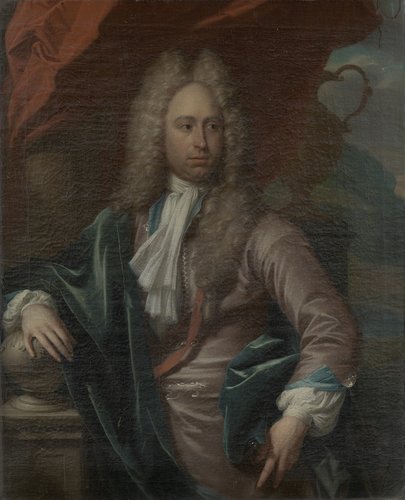
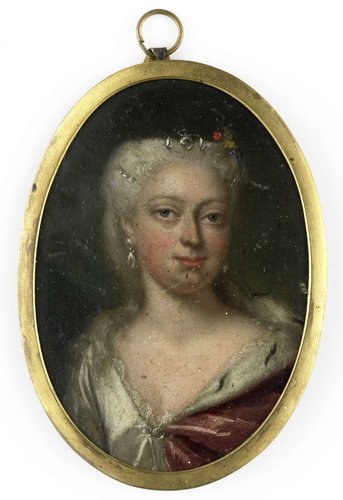
**Philip van Dijk** (10 January 1683 – 2 February 1753) was a Dutch Baroque painter active in the 18th century, renowned for his portraits and genre scenes. Born in Oud-Beijerland near Rotterdam, he trained initially under Arnold Boonen in Amsterdam before studying with the prominent fijnschilder Adriaen van der Werff in Rotterdam.
He married in Rotterdam in 1708 and joined the Guild of St. Luke in Middelburg that same year. By 1718 he had become a member of the Confrerie Pictura in The Hague, where he established himself as a favored society painter, earning the nickname “the little van Dijck.” His work reflects the refined, detailed style of the Dutch fijnschilders, emphasizing meticulous brushwork and elegant compositions in the Baroque tradition.
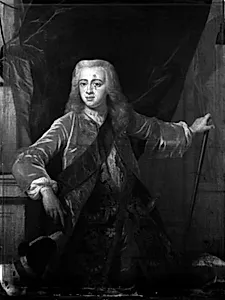
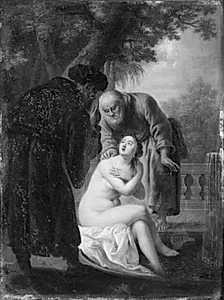
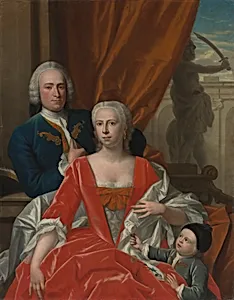
Van Dijk’s career included significant court appointments. From 1726 he served for about a decade as court painter to William VIII, Landgrave of Hesse-Cassel in Kassel, producing portraits of the landgravine Marie Louise and her family. He later returned to the Dutch Republic, settling again in The Hague by 1750 as court painter to William IV, Prince of Orange. Among his notable works are *Judith with the Head of Holofernes*, family portraits now in museums associated with the Hesse-Cassel and Orange-Nassau houses, and a *Lute Player* that served as the model for the Dutch 100-guilder banknote.
He also taught at the drawing academy in The Hague, mentoring artists such as Jan Augustini, Louis de Monie, and Hendrik Pothoven. Van Dijk’s legacy endures through his court portraits and genre paintings preserved in royal collections, as well as his influence on subsequent generations of Dutch painters.