
Ctrl K
1520–1584
Pier Paolo Galeotti was an Italian goldsmith, sculptor, and medalist who flourished during the sixteenth century, working at the intersection of Renaissance craft and courtly art. Known also as Romano, he was active in Florence and later served important patrons in northern Europe, demonstrating the mobility characteristic of skilled artisans in this period. His training placed him within the rich Florentine tradition of small-scale sculpture and metalwork that produced so many of the Renaissance's most refined decorative objects.
Galeotti's most celebrated contributions were his portrait medals — small, cast bronze or silver discs bearing likenesses of rulers and nobles on one side and allegorical or emblematic imagery on the reverse. This art form, revived in the fifteenth century after antique models, reached a high point of sophistication in Galeotti's hands. His medals are notable for the quality of their portraiture and the ingenuity of their reverses, which often drew on classical mythology and humanist iconography to flatter and memorialize his subjects.
He was also active as a gem engraver and worked on larger sculptural commissions, reflecting the range expected of a Renaissance virtuoso. His career took him beyond Italy to the courts of northern Europe, where the taste for Italian-made luxury objects was intense and where his skills found ready patronage.
Galeotti's work occupies an important place in the history of Renaissance metalwork and numismatic art. Though less famous than some of his contemporaries, his medals survive in museum collections across Europe and America, where they are valued both as historical documents and as examples of the extraordinary technical and artistic achievement that distinguished Italian Renaissance craftsmanship.
![Antonio Calmone, Secretary to Philip II [obverse]](https://images.artheonmuseum.org/nga/thumb/antonio-calmone-secretary-to-philip-ii-obverse-nga-44941.webp)
![Flowering Shrub Growing through Thorns [reverse]](https://images.artheonmuseum.org/nga/thumb/flowering-shrub-growing-through-thorns-reverse-nga-44942.webp)
![Cosimo I de' Medici, 1519-1574, Duke of Florence 1537 [obverse]](https://images.artheonmuseum.org/nga/thumb/cosimo-i-de-medici-1519-1574-duke-of-florence-nga-133028.webp)
![Charging Bull with Cut Horns [reverse]](https://images.artheonmuseum.org/nga/thumb/charging-bull-with-cut-horns-reverse-nga-133029.webp)
![Girolamo Figino, 16th Century Milanese Painter [obverse]](https://images.artheonmuseum.org/nga/thumb/girolamo-figino-16th-century-milanese-painter-nga-44945.webp)
![Minerva Armed [reverse]](https://images.artheonmuseum.org/nga/thumb/minerva-armed-reverse-nga-44946.webp)
![Cristoforo Madruzzo, 1512-1587, Cardinal, Prince Bishop of Trent 1539, of Brixen 1542 [obverse]](https://images.artheonmuseum.org/nga/thumb/cristoforo-madruzzo-1512-1587-cardinal-prince-nga-44951.webp)
![Neptune before a Harbor [reverse]](https://images.artheonmuseum.org/nga/thumb/neptune-before-a-harbor-reverse-nga-44952.webp)
![Leonardo Marini, died 1572, Archbishop of Lanciano [obverse]](https://images.artheonmuseum.org/nga/thumb/leonardo-marini-died-1572-archbishop-of-lanciano-nga-67044.webp)
![Daphne Transformed into a Laurel Tree [reverse]](https://images.artheonmuseum.org/nga/thumb/daphne-transformed-into-a-laurel-tree-reverse-nga-67045.webp)
![Sun Shining on a Stormy Sea [reverse]](https://images.artheonmuseum.org/nga/thumb/sun-shining-on-a-stormy-sea-reverse-nga-129012.webp)
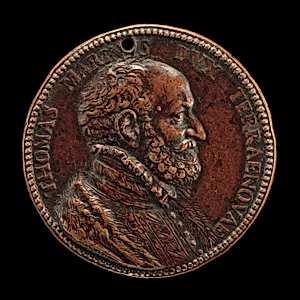
![Tommaso Marini, Duke of Terranova [obverse]](https://images.artheonmuseum.org/nga/thumb/tommaso-marini-duke-of-terranova-obverse-nga-44953.webp)
![Sun Shining on a Stormy Sea [reverse]](https://images.artheonmuseum.org/nga/thumb/sun-shining-on-a-stormy-sea-reverse-nga-44954.webp)
![Alessandro Caimi [obverse]](https://images.artheonmuseum.org/nga/thumb/alessandro-caimi-obverse-nga-45185.webp)
![Fortune and Virtue Sailing a Boat [reverse]](https://images.artheonmuseum.org/nga/thumb/fortune-and-virtue-sailing-a-boat-reverse-nga-45186.webp)
![Cristoforo Madruzzo, 1512-1587, Cardinal, Prince Bishop of Trent 1539, of Brixen 1542 [obverse]](https://images.artheonmuseum.org/nga/thumb/cristoforo-madruzzo-1512-1587-cardinal-prince-nga-44949.webp)
![Figure beside a River [reverse]](https://images.artheonmuseum.org/nga/thumb/figure-beside-a-river-reverse-nga-44950.webp)
![Giampaolo Meli Lupi, 1549-1571 [obverse]](https://images.artheonmuseum.org/nga/thumb/giampaolo-meli-lupi-1549-1571-obverse-nga-44958.webp)
![Giampaolo Meli Lupi as a Child Addressing His Father Deifobo II [reverse]](https://images.artheonmuseum.org/nga/thumb/giampaolo-meli-lupi-as-a-child-addressing-his-nga-44959.webp)
![Chiara Tolentino Taverna, Wife of Francesco Taverna [obverse]](https://images.artheonmuseum.org/nga/thumb/chiara-tolentino-taverna-wife-of-francesco-nga-44962.webp)
![Cybele in a Car Drawn by Lions [reverse]](https://images.artheonmuseum.org/nga/thumb/cybele-in-a-car-drawn-by-lions-reverse-nga-44963.webp)
![Francesco Taverna, 1488-1560, Count of Landriano, Milanese Jurisconsult [obverse]](https://images.artheonmuseum.org/nga/thumb/francesco-taverna-1488-1560-count-of-landriano-nga-44964.webp)
![Hound Looking at the Constellation of Capricorn [reverse]](https://images.artheonmuseum.org/nga/thumb/hound-looking-at-the-constellation-of-capricorn-nga-44965.webp)