Ctrl K
1822–1913
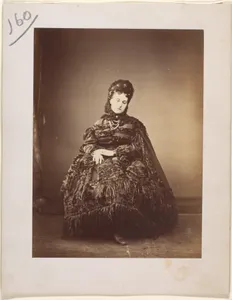
Pierre-Louis Pierson (1822–1913) was a pioneering French portrait photographer whose career spanned the formative years of the medium. Born on December 13, 1822, in Hinckange in the Moselle department, Pierson developed an early fascination with photography during the 1840s, as the daguerreotype was still in its infancy. His early life and formal training remain sparsely documented, but by 1844, he had established a studio at 5 Boulevard des Capucines in Paris, where he quickly gained a solid reputation for hand-colored daguerreotype portraits retouched with watercolor or oils. He soon partnered with the Mayer brothers—Léopold-Ernest and Louis-Frédéric Mayer—forming the acclaimed Pierson-Mayer studio, which catered to the elite during the Second Empire. Appointed photographers to Emperor Napoleon III after 1852, they produced numerous images of the imperial family, as well as royals like the kings of Württemberg, Portugal, and Sweden, blending technical innovation with opulent portraiture reflective of the era's grandeur.
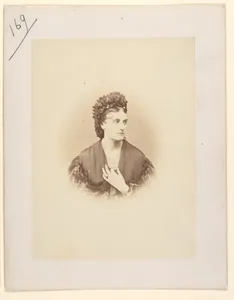
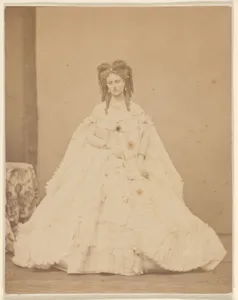
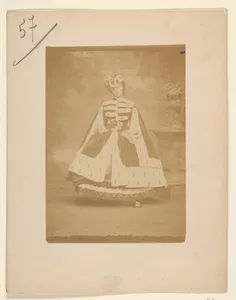
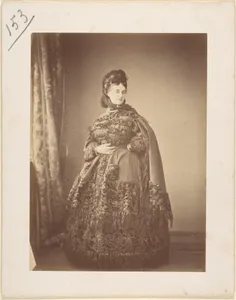
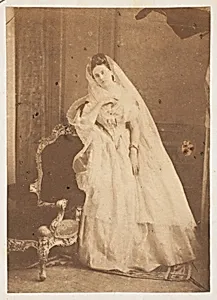
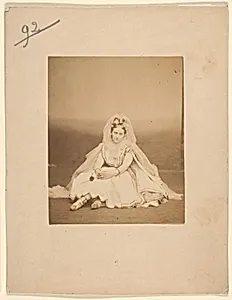
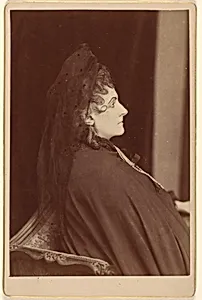
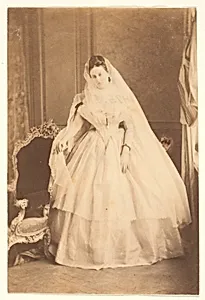
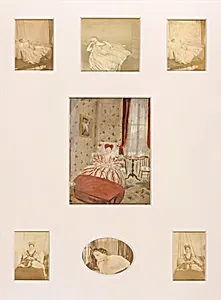
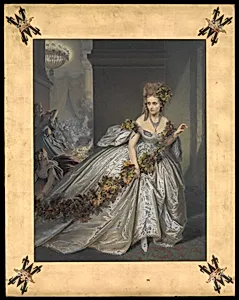
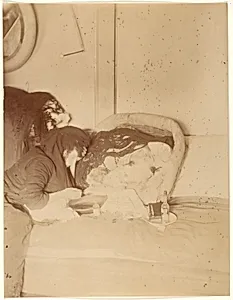
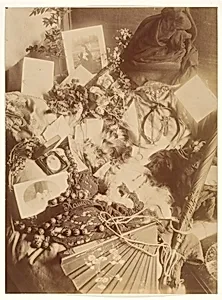
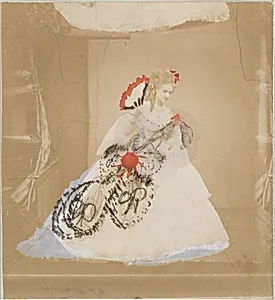
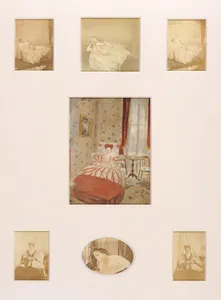
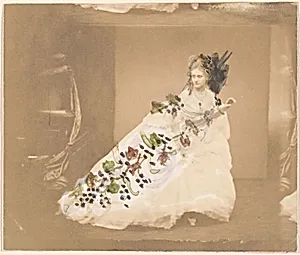
Pierson's most enduring legacy stems from his forty-year collaboration with the Countess Virginia Oldoini Verasis di Castiglione, beginning in 1856. As her official photographer, he captured over 450 (some sources cite more than 700) meticulously staged portraits, often directed by the countess herself in elaborate costumes, dramatic poses, and innovative effects like mirrors and exposed forms that pushed Victorian boundaries. Standout works include *The Gaze* (ca. 1856–57), depicting her emerging from a black tulle gown; *Scherzo di Follia* (ca. 1863–66); *La Frayeur*; and *Queen of Hearts* (exhibited at the 1867 Exposition Universelle), showcasing her as a madonna, tragic figure, or fashion icon. This partnership pioneered photographic self-portraiture and performance art, transforming the studio into a theatrical space.
In his later years, Pierson partnered with his son-in-law Gaston Braun in 1878 to revive the Société Adolphe Braun et Compagnie, which secured an exclusive contract in 1883 to photograph 7,000 Louvre artworks, becoming the museum's official photographers. The firm expanded internationally, with branches in New York and London by 1911. Pierson died in Paris on March 22, 1913, leaving a profound influence on fashion photography and elite portraiture. His works, particularly the Castiglione series, featured in major exhibitions like those at the Metropolitan Museum of Art in 2000, cementing his role in bridging early photography with modernist experimentation.
![[Reine d'Etrurie]](https://images.artheonmuseum.org/met/ph/thumb/reine-d-etrurie-261366.webp)
![[Study of Legs]](https://images.artheonmuseum.org/met/ph/thumb/study-of-legs-261299.webp)